 Save
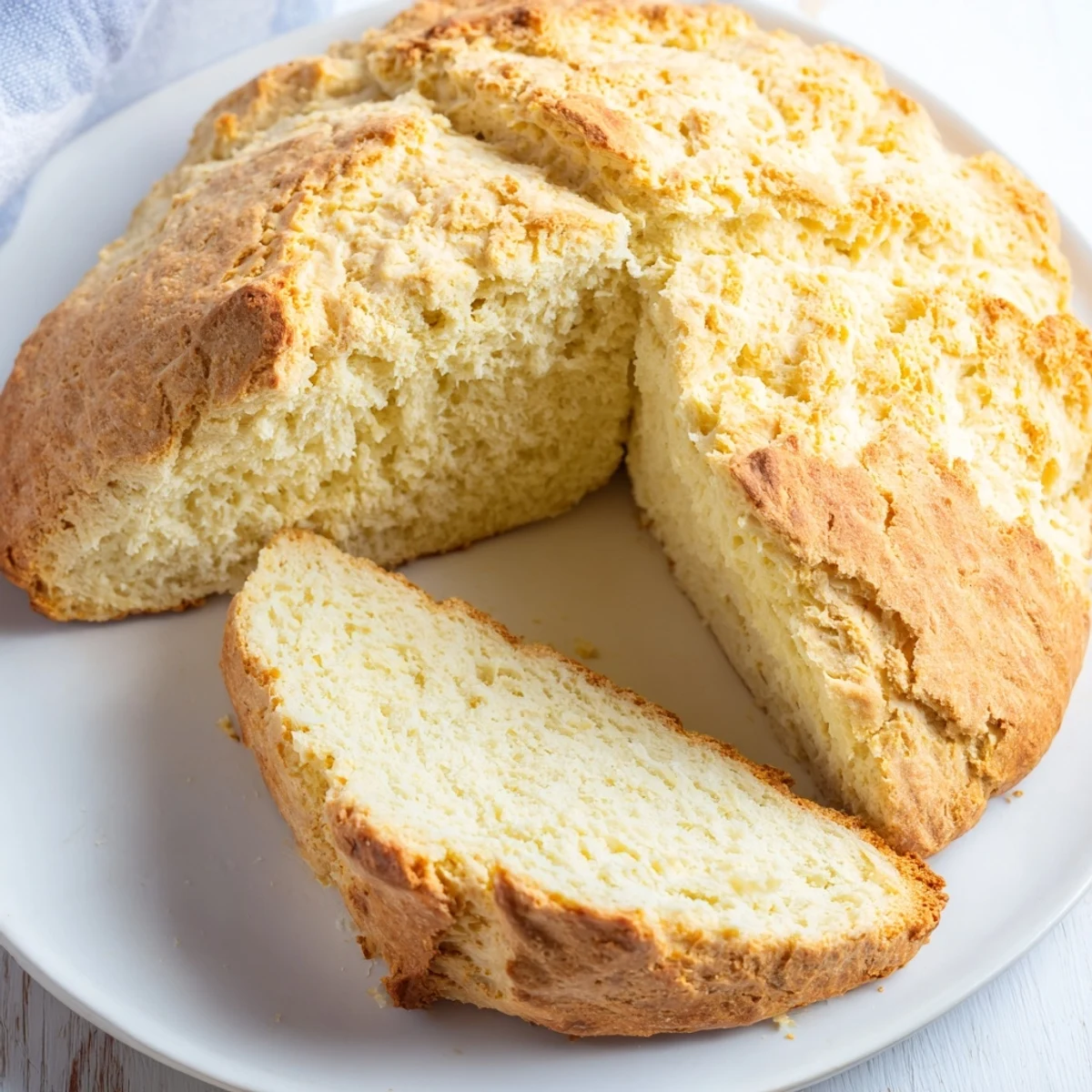
Save This traditional Irish soda bread combines just four ingredients—flour, baking soda, salt, and buttermilk—to create a rustic loaf with a golden crust and tender crumb. The dough is gently kneaded and shaped, then baked until golden and hollow-sounding when tapped. Perfect for breakfast or accompanying hearty stews, it requires minimal preparation and offers a delightful texture and flavor.
There's something almost magical about a bread that requires no rising, no kneading, and yet emerges from the oven with the most spectacular crust you've ever seen. I stumbled into soda bread completely by accident during a particularly miserably rainy Sunday when I realized I was out of yeast but absolutely needed homemade bread to go with an emergency batch of potato soup.
My grandmother would have laughed at my anxiety about getting the X cut just right. She'd tell me the bread doesn't care about precision, it only cares about warmth and a gentle hand. The first time I served this to friends, they couldn't believe something so rustic came together so quickly.
Ingredients
- All-purpose flour: The foundation that gives structure without overwhelming the delicate crumb
- Baking soda: The real workhorse here, reacting instantly with buttermilk to create those beautiful air pockets
- Fine sea salt: Don't skip this—salt is what transforms chemistry into something that actually tastes wonderful
- Buttermilk: The tangy secret that activates the soda and creates that signature tender texture
Instructions
- Heat things up:
- Crank your oven to 425°F and line a baking sheet with parchment paper, or just dust it lightly with flour—either works perfectly fine.
- Whisk the dry team:
- In a large bowl, combine your flour, baking soda, and salt until they're thoroughly blended and you can't see any white spots of soda remaining.
- Make the well:
- Create a deep hollow in the center of your flour mixture and pour in all that beautiful buttermilk at once.
- Gentle gathering:
- Stir with a wooden spoon just until you see a shaggy, slightly sticky dough forming—this is not the moment for perfect smoothness.
- Minimal handling:
- Turn the dough onto a floured surface and fold it over itself just enough to bring it together into a rough round.
- Shape and score:
- Flatten slightly to about 2 inches thick, transfer to your prepared sheet, and cut a deep X across the top with a sharp knife.
- Bake to golden:
- Slide into the hot oven for 30 to 35 minutes until the crust is deeply golden and the bottom sounds hollow when tapped.
- Patience pays:
- Let the loaf cool on a wire rack for at least 30 minutes—slicing too soon will steam all that perfect texture right out of it.
 Save
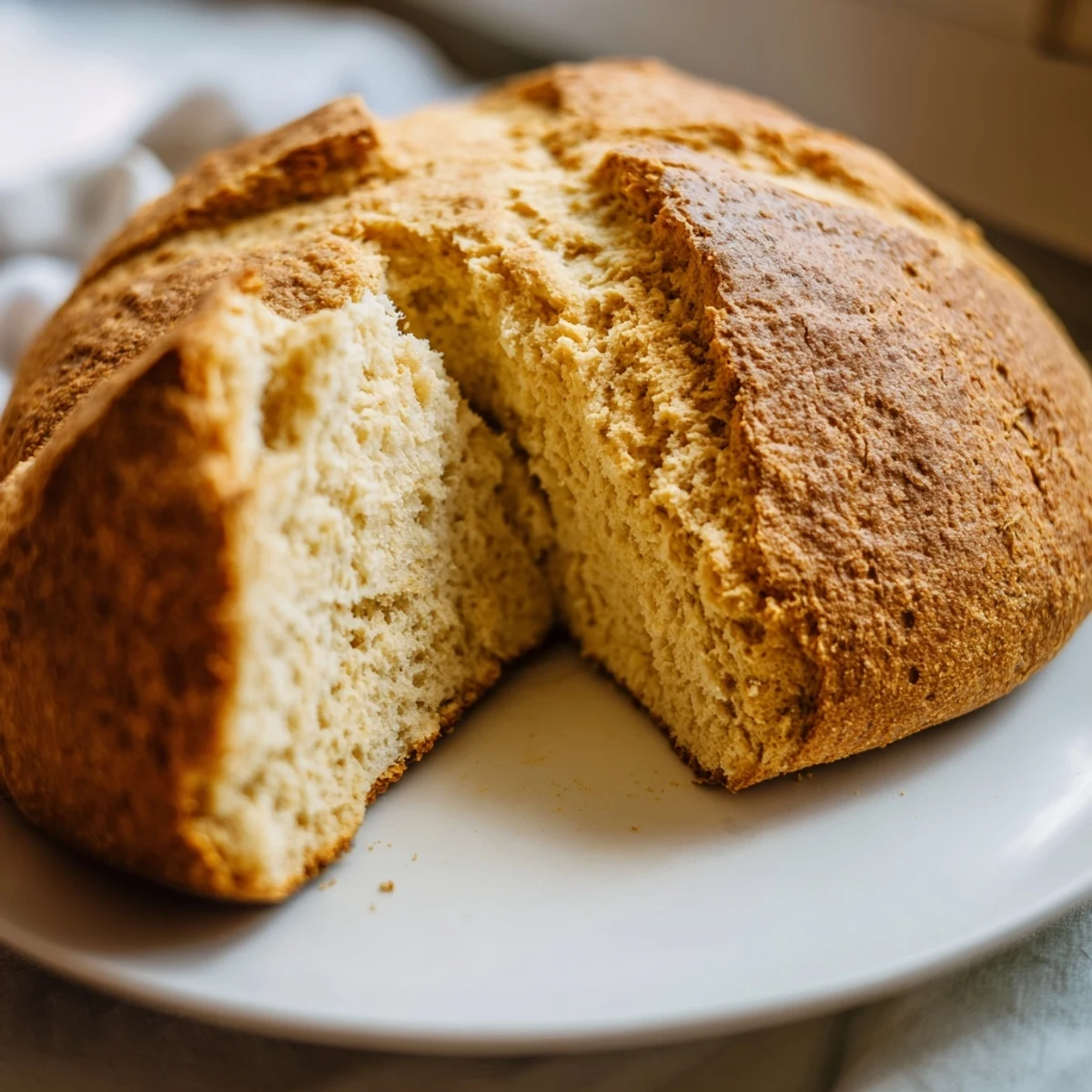
Save The morning I made this for my father, fresh from the oven and slathered with salted butter, he took one bite and got very quiet. That's when I knew this simple bread had become something more than just a recipe in my collection.
Getting That Perfect Rise
I've learned that room temperature ingredients matter more than you'd think. Cold buttermilk can shock the dough, so let it sit out for about 15 minutes before you start mixing everything together.
When Your Buttermilk Goes Missing
Life happens, and sometimes you're ready to bake but the buttermilk aisle is looking empty. Mix regular milk with a splash of lemon juice or vinegar, let it sit for five minutes, and proceed as if nothing happened.
Serving It Right
This bread wants to be eaten warm, ideally within a few hours of baking. The texture shifts as it cools, becoming denser and more like the traditional loaves you'd find in an Irish farmhouse kitchen.
- Wrap any leftovers in a clean tea towel rather than plastic to keep the crust perfect
- Day-old soda bread makes incredible toast, especially with a poached egg on top
- Freeze individual slices if you somehow manage to have leftovers beyond day two
 Save
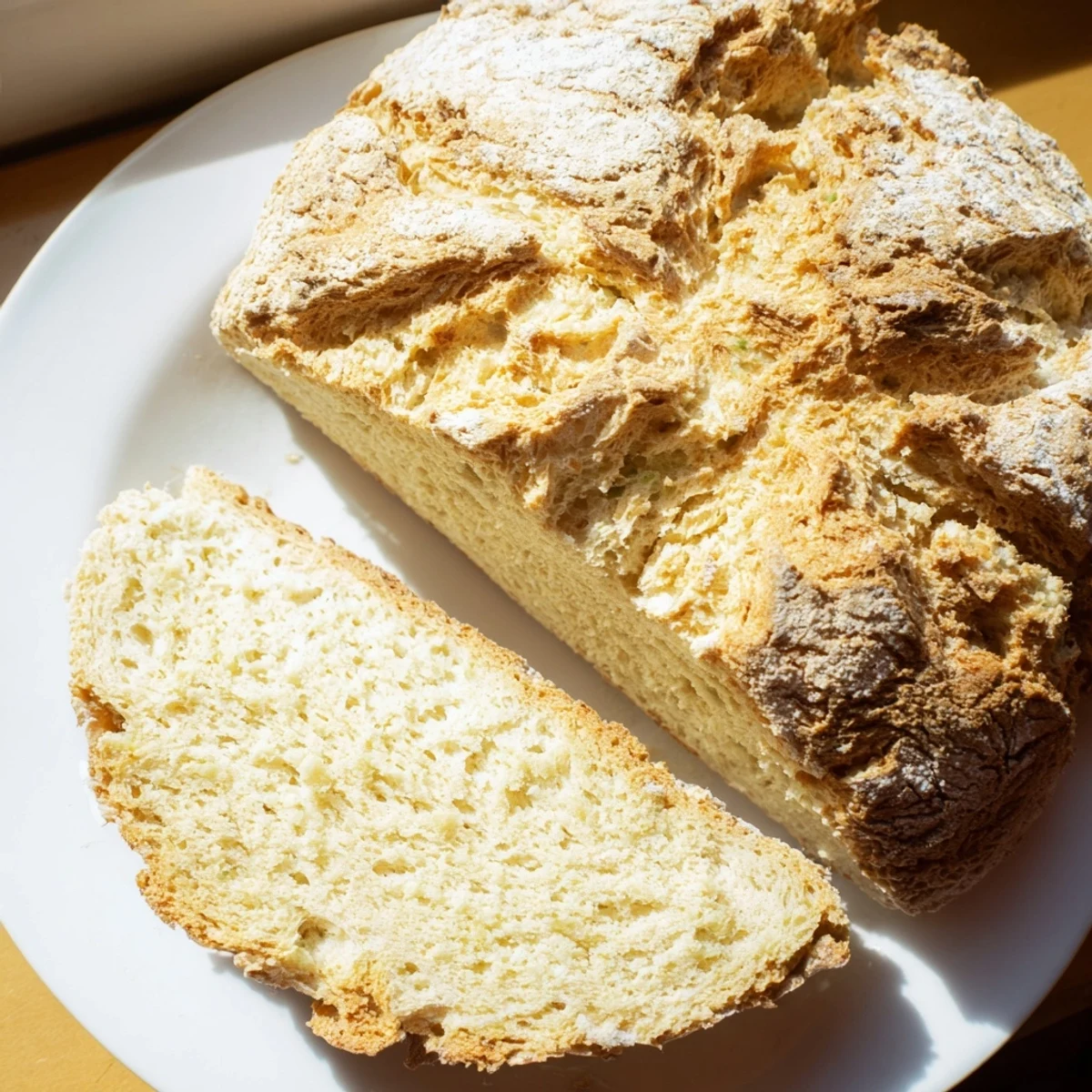
Save There's something deeply satisfying about bread that asks so little but gives so much in return. I hope this recipe finds its way into your regular rotation, just as it has in mine.
Recipe FAQs
- → What type of flour is best for this bread?
-
All-purpose flour is recommended for a tender crumb, but substituting half with whole wheat flour adds a richer flavor and denser texture.
- → Can I use a dairy-free substitute for buttermilk?
-
Yes, combine 1 3/4 cups of milk with 1.5 tablespoons of lemon juice or vinegar, let it stand for 5 minutes, and use as a buttermilk alternative.
- → How can I tell when the bread is fully baked?
-
Look for a golden crust and tap the bottom of the loaf; it should sound hollow when fully baked.
- → Is kneading important for this bread?
-
Gently knead the dough just until it comes together to maintain a tender crumb; over-kneading can make it tough.
- → What is the purpose of cutting an X on top of the loaf?
-
Scoring the loaf allows steam to escape and helps the bread expand evenly during baking.