
 Save
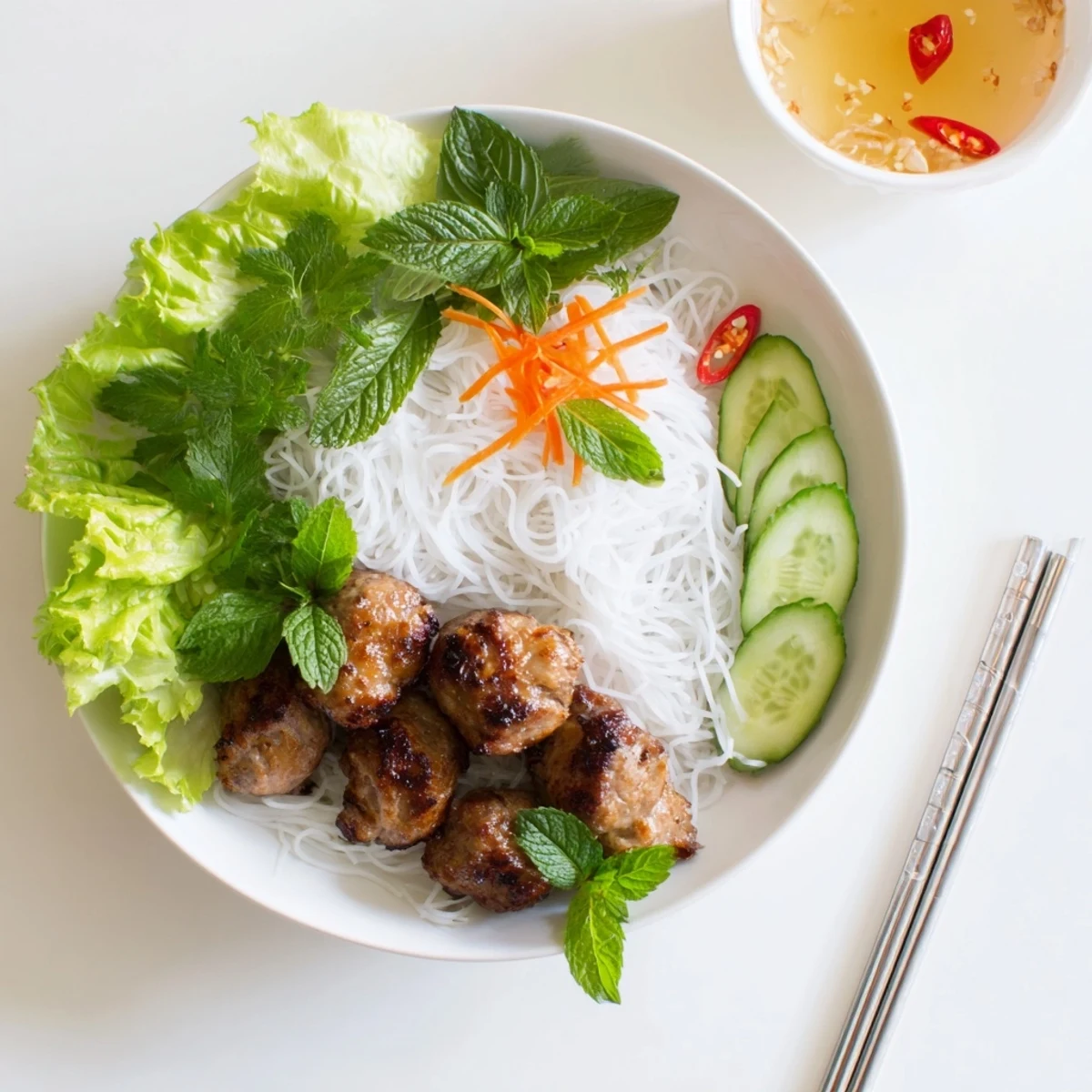
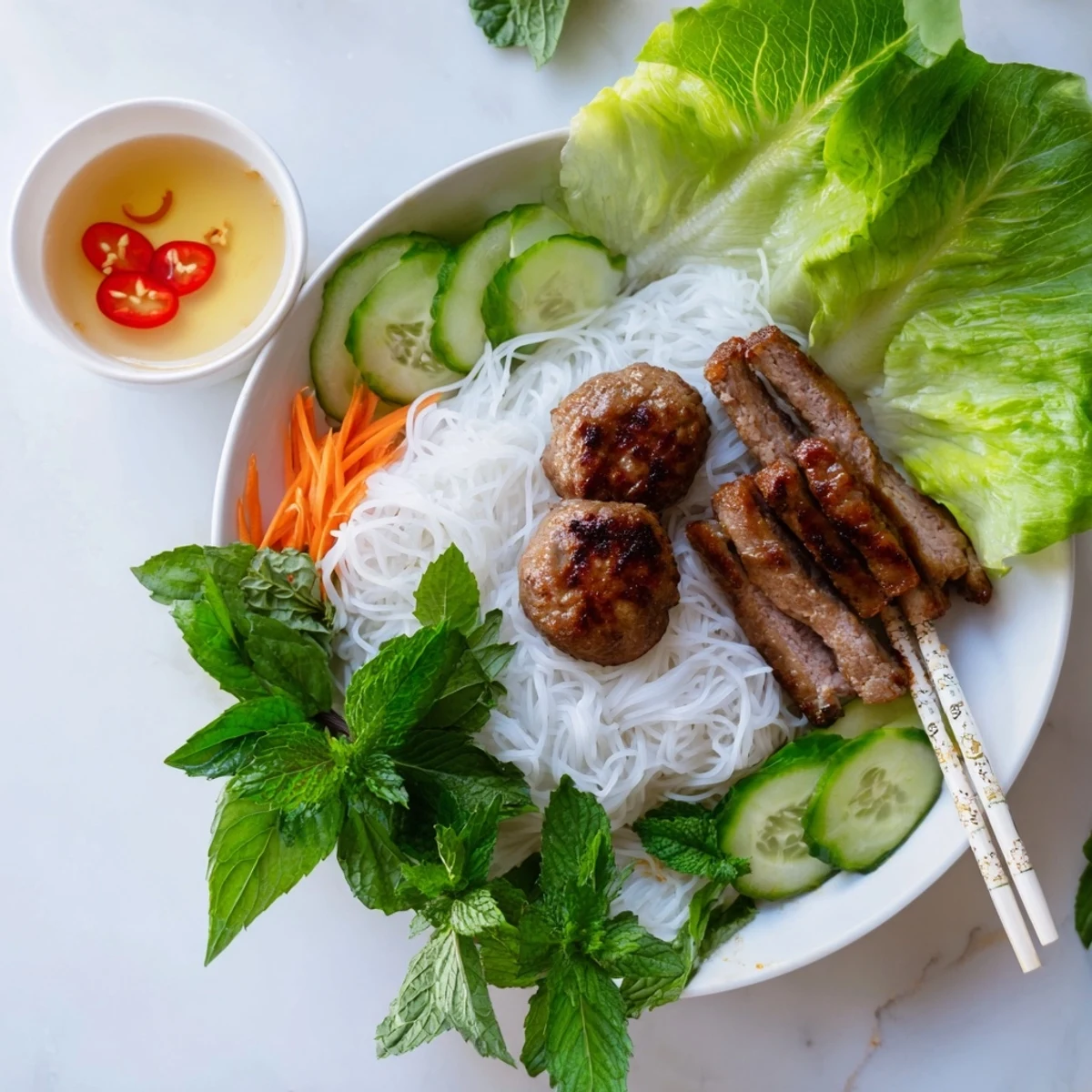
Save Bun Cha Hanoi brings together the essence of Vietnamese street food with perfectly grilled pork patties and caramelized pork belly slices. The dish features rice vermicelli noodles piled high with crisp lettuce, cucumber, bean sprouts, and an aromatic herb garden of cilantro, mint, and Thai basil. What makes this dish unforgettable is the house-made nuoc cham dipping sauce, balancing sweet, salty, sour, and spicy notes in every bite. Each diner builds their own bowl, combining hot grilled pork with cool herbs and noodles, then dipping into the signature sauce for an interactive and deeply satisfying meal.
The first time I walked through the narrow streets of Hanoi's Old Quarter at lunchtime, the air was thick with charcoal smoke and the unmistakable scent of grilling pork. Every third storefront seemed to have small charcoal grills set up on the sidewalk, with pork patties sizzling away while patrons sat on tiny plastic stools, leaning over steaming bowls of noodles and herbs. I knew immediately that I had to recreate this experience in my own kitchen, even without the chaotic charm of Vietnamese street life.
Last summer, I invited a group of friends over for a make-your-own Bun Cha bar, setting out all the components family-style. Watching everyone discover their perfect ratio of herbs to noodles, seeing their eyes light up when they first tasted the dipping sauce, was unexpectedly joyful. Someone asked why I'd gone to so much trouble, but honestly, hearing the sizzle of pork on the grill and seeing people lean over their bowls with such focus made every minute of prep worth it.
Ingredients
- Pork shoulder or pork belly: The combination of sliced pork belly for its rich fat content and ground pork for the patties gives you both texture and depth of flavor that pork alone cannot achieve
- Fish sauce: Dont be intimidated by the smell straight from the bottle, it transforms into something magical when combined with other ingredients and provides that essential umami backbone
- Rice vermicelli noodles: These delicate noodles cook quickly and have a springy texture that holds up well when mixed with the sauce and grilled meats
- Fresh herbs: The holy trinity of cilantro, mint, and Thai basil is non-negotiable here, each bringing its own bright note that cuts through the rich pork
- Garlic and shallots: These aromatics form the flavor foundation for both the marinade and dipping sauce, so use fresh ones rather than pre-minced
Instructions
- Marinate the pork:
- Combine the ground pork with half the garlic, shallots, fish sauce, sugar, oyster sauce, soy sauce, and pepper, mixing until the mixture feels sticky and well combined. Shape into small patties about the size of your palm, then marinate the sliced pork belly with the remaining aromatics and fish sauce. Let everything sit for at least 15 minutes, though 30 minutes will give you deeper flavor penetration.
- Make the dipping sauce:
- Dissolve the sugar completely in warm water first, then stir in the fish sauce, rice vinegar or lime juice, minced garlic, sliced chili, and carrot if using. Taste and adjust until you hit that perfect balance of sweet, salty, sour, and spicy, remembering that the sauce should taste slightly stronger on its own than you want in the final dish.
- Prep the noodles and herbs:
- Cook the rice vermicelli according to package directions, usually just a few minutes in boiling water, then drain and rinse thoroughly with cold water to stop the cooking process and prevent clumping. Wash and dry all your herbs, tear the lettuce, slice the cucumber, and arrange everything on a large platter or board.
- Grill the pork:
- Get your grill or grill pan screaming hot over medium-high heat, then cook the pork patties and belly slices for about 3 to 4 minutes per side until they develop a beautiful caramelized crust. The sugars in the marinade will char nicely, creating those crispy edges that make Bun Cha so irresistible.
- Assemble and serve:
- Let your guests build their own bowls, starting with a bed of noodles, then adding the grilled pork, herbs, lettuce, bean sprouts, and cucumber. The dipping sauce goes on the side for everyone to pour over their creation as they eat, though I always recommend taking that first bite dry before saucing everything.
 Save
Save What started as an attempt to recreate a travel memory has become one of those meals I find myself craving unexpectedly. The way the smoky pork plays against the cool herbs, how that sauce hits every taste bud simultaneously, somehow never gets old no matter how many times I make it.
The Art of Charcoal Grilling
If you can manage it, charcoal grilling transforms this dish completely, infusing the pork with that signature smoky depth you find in street stalls across Hanoi. Even a small tabletop charcoal grill makes a noticeable difference, but if you are working with a gas grill or grill pan, do not worry, you can still achieve beautiful caramelization.
Balance in the Dipping Sauce
The secret to restaurant-quality Nuoc Cham lies in achieving perfect equilibrium between the four fundamental flavors. Start with the recipe proportions, then trust your palate, adjusting with more sugar for sweetness, lime juice for acidity, or fish sauce for saltiness until the sauce sings.
Herb Selection and Preparation
Fresh herbs are not just a garnish in Vietnamese cooking, they are essential components that provide brightness and contrast to rich meats. Choose perky, vibrant leaves without wilting or yellowing, and wait to wash and dry them until just before serving to prevent sogginess.
- Set up your herb station with small scissors so guests can snip directly into their bowls
- Keep some extra chili on the table for those who like extra heat in their sauce
- Have a small bowl of warm water nearby for dipping the pork slices before taking each bite
 Save
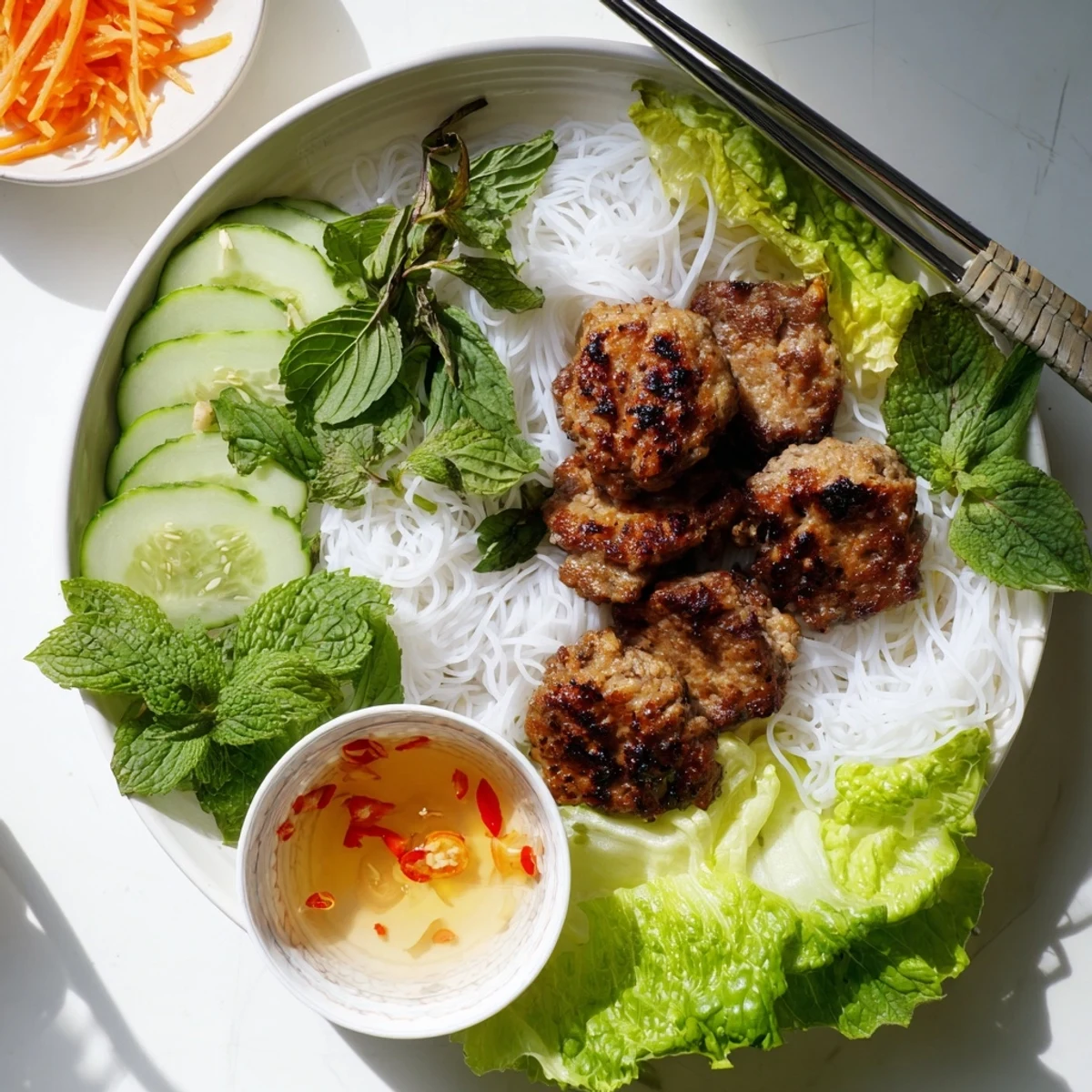
Save There is something profoundly satisfying about a meal that engages all your senses, from the sizzle of the grill to the vibrant colors on the table, and Bun Cha delivers that experience in spades.
Recipe FAQs
- → What is the difference between bun cha and pho?
-
Bun Cha features grilled pork served with room temperature noodles and separate dipping sauce, while pho consists of rice noodles in a hot broth with sliced meat. The key distinction is the grilling method and the dipping sauce versus soup base.
- → Can I use other meats besides pork?
-
Yes, you can substitute chicken or tofu for a lighter variation. Adjust the marinade time accordingly—chicken may need longer to absorb flavors, while tofu only needs 30 minutes. Keep the same fish sauce-based marinade for authentic taste.
- → How long should I marinate the pork?
-
Marinate for at least 15 minutes to infuse the pork with garlic, shallot, and fish sauce flavors. For best results, marinate for 2-4 hours in the refrigerator. The patties can be shaped ahead and kept refrigerated until grilling.
- → Can I make the dipping sauce in advance?
-
Absolutely. Nuoc Cham actually improves after resting in the refrigerator for 1-2 days as the flavors meld together. Store in an airtight container and bring to room temperature before serving. Adjust with more lime juice or sugar if needed.
- → What's the best way to grill the pork?
-
Charcoal grilling provides the most authentic smoky flavor, but a grill pan or cast-iron skillet works well indoors. Preheat to medium-high and grill patties and slices for 3-4 minutes per side until caramelized and cooked through with a slight char.
- → How do I serve bun cha properly?
-
Arrange noodles, fresh herbs, lettuce, cucumber, and bean sprouts on individual plates or a large platter. Serve hot grilled pork alongside with bowls of nuoc cham. Diners combine everything in their own bowls, dipping the pork and noodles into the sauce as they eat.