 Save
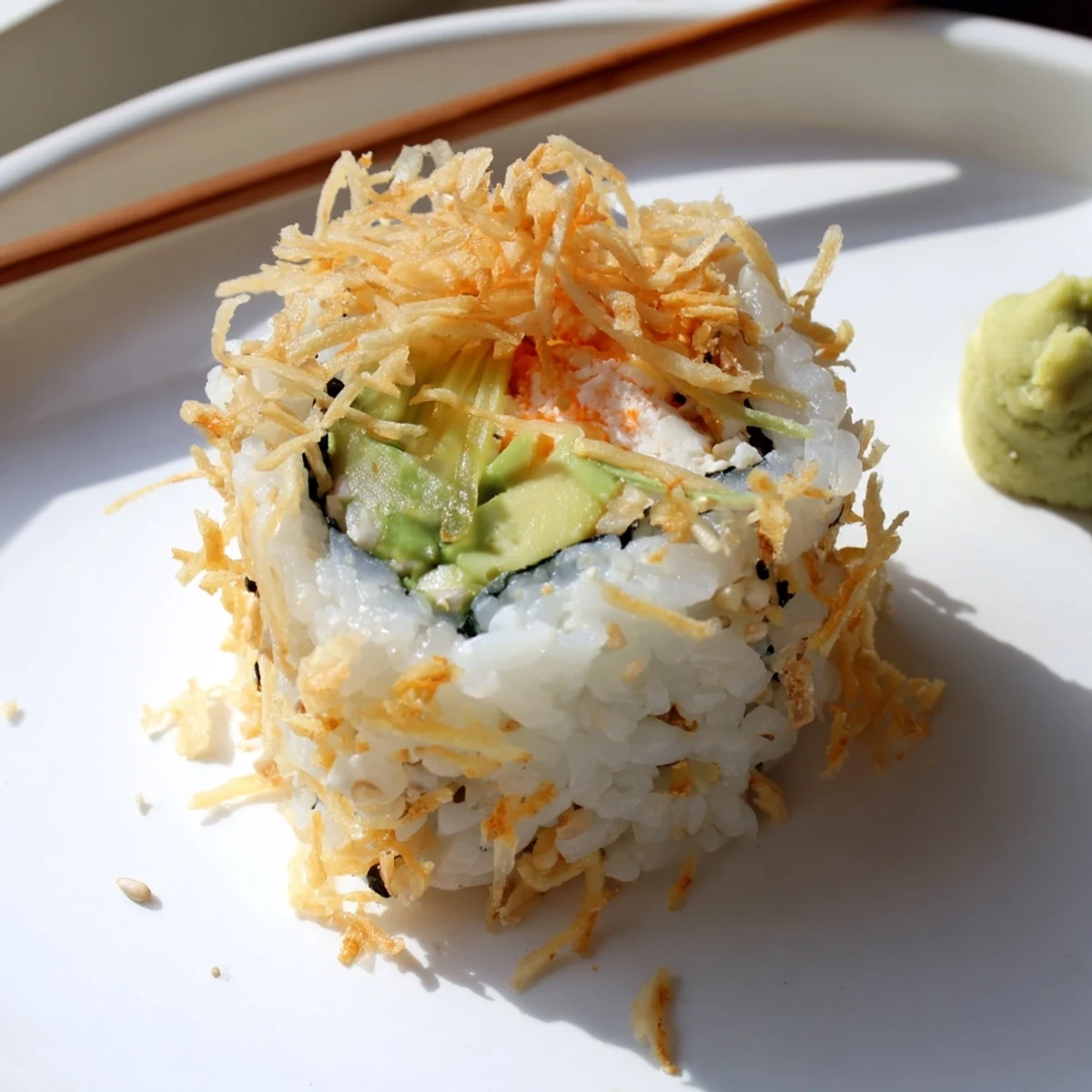
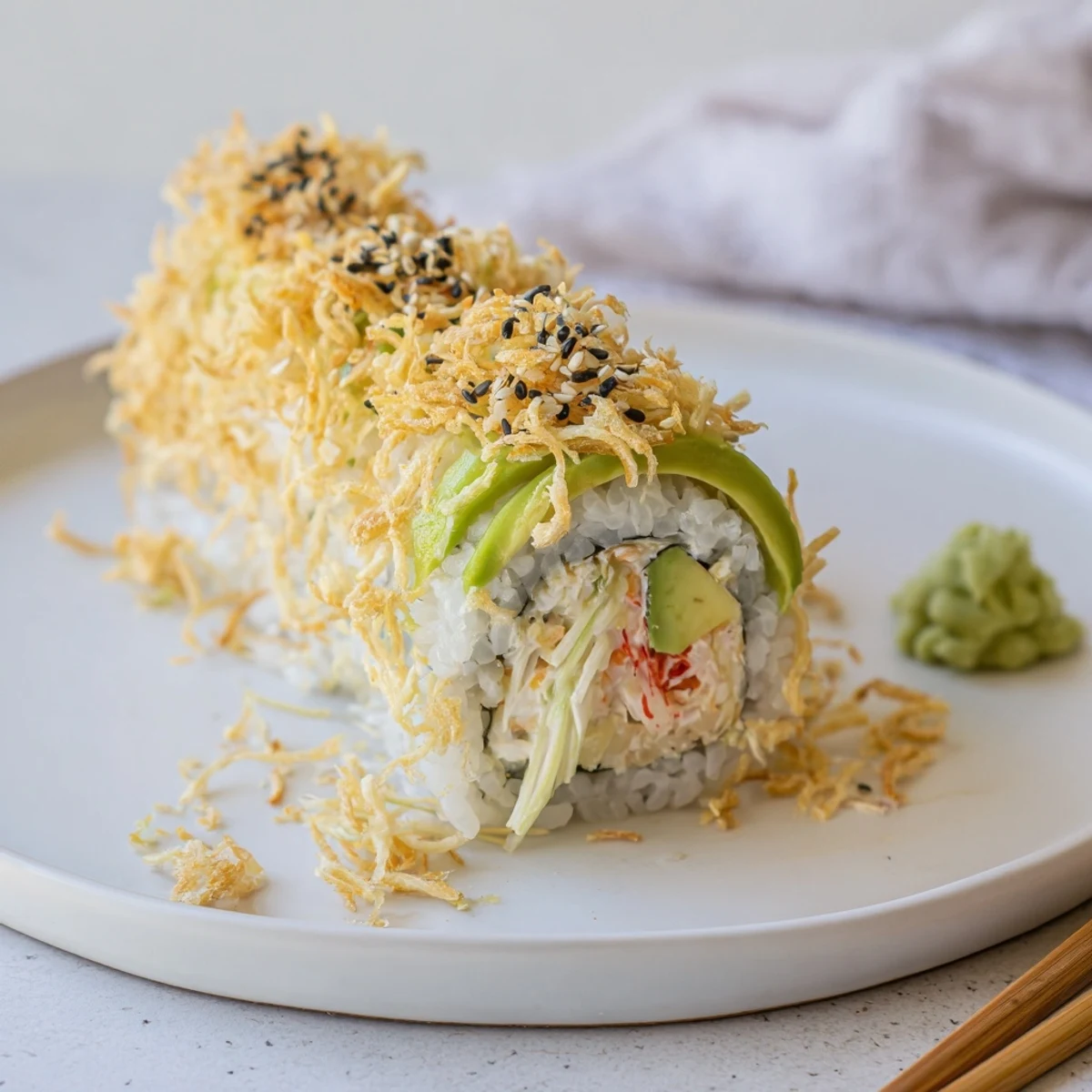
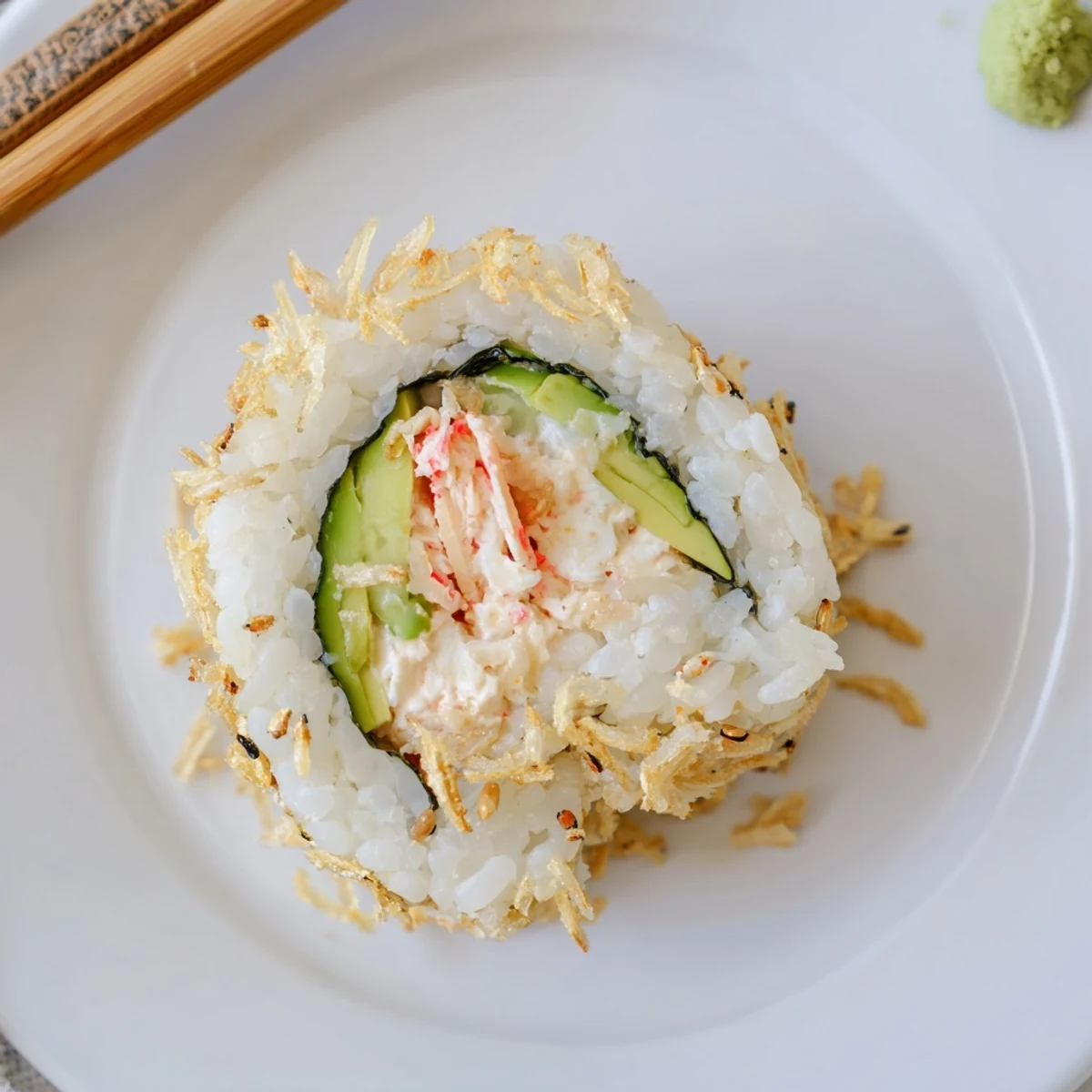
Save This California Crunch Roll layers seasoned sushi rice on nori, fills with crab tossed in Japanese mayo, ripe avocado and julienned cucumber, then presses rice-coated nori together and finishes with tempura flakes and sesame for crisp texture. Roll tightly using a bamboo mat, slice with a wet sharp knife, and serve with soy, pickled ginger and wasabi.
The frantic hiss of rice simmering always makes me smile because it promises sushi in the near future. I first made the California Crunch Roll on a rainy afternoon when the click of the bamboo mat was the only sound competing with the drumming against the kitchen window. The contrast of tender rice, fresh avocado, and that addictive tempura crunch makes it a roll that gets requested more than anything else in my house. If you've never rolled sushi on your own counter, prepare for a bit of a mess and a lot of fun.
One chilled Saturday, my best friend stopped by just as I was about to slice the finished rolls—she grabbed a piece straight from the sushi mat, still warm, and the grin on her face said more than any compliment could. Sharing sushi is really about the little surprises, like how sesame seeds stick to your fingers or how tempura flakes manage to scatter everywhere but the roll. It isn't always pretty, but that's half the charm for me. There's usually a race to see who crunches into the first end slice.
Ingredients
- Sushi rice: Go for short-grain Japanese rice—it gets sticky but not mushy, and rinsing is key to keeping each grain defined.
- Rice vinegar, sugar, salt: This trio transforms plain rice into seasoned sushi rice—mix and warm together so the sugar dissolves completely.
- Imitation crab sticks (or real crab): If you're using the sticks, mixing with a splash of Kewpie mayo gives it that iconic creamy texture.
- Avocado: The avocado should yield gently to a squeeze—if it's too firm, it won't wrap neatly.
- Cucumber: Peel if the skin is waxy and cut into even matchsticks for a satisfying crunch in each bite.
- Japanese mayonnaise: Kewpie brand gives a really silky, tangy edge, though regular mayo is fine in a pinch.
- Nori sheets: Keep these sealed until you’re ready, or they’ll go soft and won’t roll properly.
- Tempura flakes: Don’t skip these—make them fresh or buy at an Asian market and try not to snack on them all before rolling.
- Sesame seeds (toasted and black): The mix looks sharp and adds a delicate nuttiness on the outside.
- Soy sauce, pickled ginger, wasabi: Serving these on the side is non-negotiable for the full sushi bar feel, and pickled ginger refreshes the palate between bites.
Instructions
- Make the sushi rice:
- Rinse the sushi rice under cool water until it’s nearly clear, then cook it with water until just tender and let it steam covered. While it’s warm, gently fold in seasoned vinegar, using a spatula and fanning so the grains look glossy and stay separate.
- Prepare the filling:
- Slice crab sticks into thin strips, then tumble them with Japanese mayo in a bowl until every piece is coated. Have the avocado and cucumber ready in tidy piles for fast assembly.
- Set up your rolling station:
- Lay a bamboo sushi mat with plastic wrap, then center a nori sheet shiny side down on top. Dip your fingers in a bowl of water and spread a thin, even layer of rice, leaving a strip at the top uncovered for sealing.
- Add the crunch:
- Dust the rice with tempura flakes and sprinkle both kinds of sesame seeds evenly. Now, the important flip—lift the whole thing and flip so the rice faces down, ready for the filling.
- Add fillings and roll:
- Along the bottom edge, arrange crab salad, avocado, and cucumber in a tight row. Use the mat to roll everything up slowly, gently hugging the roll as you go until it’s sealed with a little pressure.
- Slice and finish:
- With a wet, sharp knife, cleanly cut each roll into six even pieces. Sprinkle any extra tempura flakes on top so every bite gets lots of crunch.
- Serve and savor:
- Plate the rolls, then serve with pickled ginger, small bowls of soy sauce, and a dab of wasabi for dipping between bites.
 Save
Save The night my family gathered around the kitchen island, fighting politely over the crispiest sushi piece, was the first time this roll felt like more than just an at-home project. Since then, making crunch rolls has become something I hope for on those evenings when we all want to linger in the kitchen a little longer.
Mastering Rice Texture
Getting the rice just right is the backbone of any sushi roll—it should be sticky, not gummy or dry. I sometimes use a fan (or a book waved bashfully) to cool off the rice after seasoning, giving every grain that glossy, slightly chewy snap. Don’t be tempted to add extra water, even if the rice looks a bit dry at the start. Let it steam under a towel, and magic happens.
Tools Make the Difference
A bamboo mat wrapped in plastic gives you the perfect surface for rolling and keeps the rice from sticking everywhere. If you don’t have one, a clean tea towel can work, though it won’t make the rolls as tight. A small bowl of water at your side is my unsung hero—it stops sticky fingers from tearing the rice or nori. And a sharp, wet knife will glide through, making every slice look like restaurant sushi.
Troubleshooting & Final Touches
Don’t panic if your first roll is a little lopsided—each attempt really does get easier, and even messy rolls taste fantastic. I sometimes press the filling gently with my fingertips before rolling, so nothing escapes at the edges. Extra tempura flakes on top add a fresh crunch (and cover any shy spots in your rolling technique).
- If your rolls won't seal, rub a bit of water along the nori edge.
- Chill your knife briefly in the fridge to help make cleaner cuts.
- Always have extra nori on hand in case one sheet tears mid-roll.
 Save
Save Rolling your own California Crunch Rolls might feel ambitious, but every bite rewards you for trying something new. Share them with friends, and watch even the messiest pieces disappear in a flash.
Recipe FAQs
- → How do I make the sushi rice glossy and well seasoned?
-
Rinse rice until water runs clear, cook with a slightly firm water ratio, then fold in a warmed blend of rice vinegar, sugar and salt while fanning. Gentle folding and cooling helps the rice become glossy and sticky without getting mushy.
- → What keeps the roll from falling apart when slicing?
-
Use a tight, even roll with a bamboo mat and press gently to seal. Wipe and wet your sharp knife before each cut to prevent rice from sticking and compress slices only slightly to keep structure intact.
- → Can I substitute imitation crab with real crab?
-
Yes—use picked cooked crab meat mixed with Japanese mayonnaise for the same creamy texture. Real crab adds a brinier flavor; drain excess moisture to avoid soggy rolls.
- → How do tempura flakes affect texture and where to find them?
-
Tempura flakes add light, airy crunch to contrast soft rice and avocado. Find tenkasu at Asian groceries or make your own by frying small bits of batter until crisp, then drain and cool before using.
- → How can I make this roll gluten-free?
-
Choose gluten-free soy sauce and confirm tempura flakes are made with gluten-free flour or substitute with crushed gluten-free panko. Check mayonnaise and other condiments for hidden wheat-based ingredients.
- → What knife and technique work best for clean slices?
-
A very sharp, long blade is ideal. Wet the knife, slice with a single smooth downward stroke, and clean the blade between cuts. Use light back-and-forth motion if needed, rather than sawing.