 Save
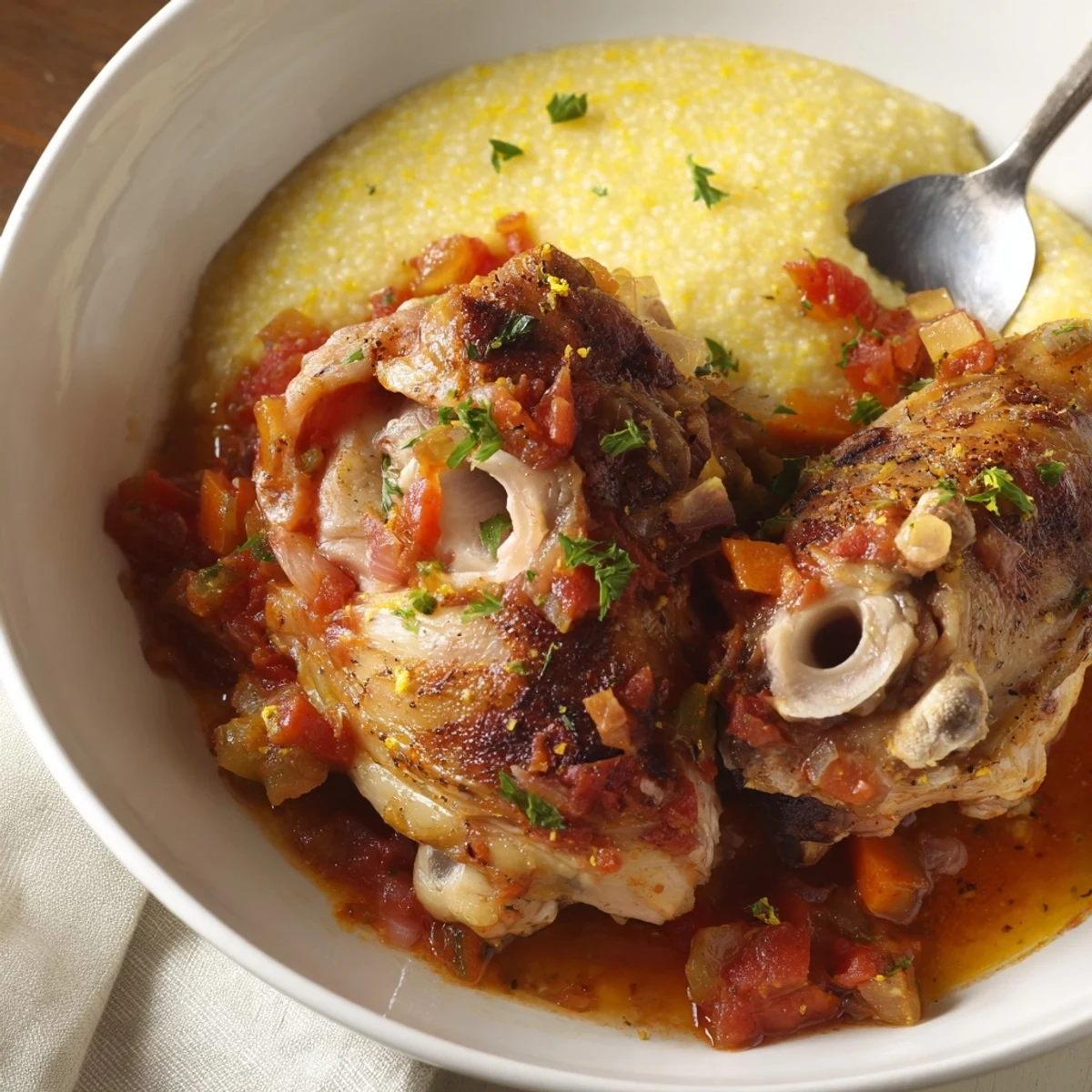
Save Bone-in chicken thighs are lightly floured, browned, then simmered with onion, carrot, celery, garlic, diced tomatoes, white wine and stock until fork-tender, about 1 hour. Reduce uncovered for the last 15 minutes to concentrate the sauce, then stir in lemon zest and chopped parsley. Serve over polenta, mashed potatoes or with crusty bread; add balsamic or anchovy for extra depth.
The pot was too small and the chicken thighs overlapped like tiles on a crowded roof, but nobody at the table complained that night. I had stumbled into making chicken osso bucco on a rainy Tuesday when the only meat on sale was poultry and the only wine open was a half finished bottle of Pinot Grigio. The sauce clung to every forkful, rich and messy, and my roommate licked her plate clean without a trace of embarrassment. That broken little dinner turned into the meal I now make when I want people to feel taken care of.
One November I doubled the batch for a friendsgiving potluck and carried the Dutch oven wrapped in a towel through forty minutes of subway traffic. By the time I set it down on a stranger's kitchen counter, the lid was still rattling with gentle bubbling heat, and three people asked for the recipe before I even took my coat off. The host served it over creamy polenta, and we stood around the counter eating standing up because nobody wanted to wait for plates. It has traveled with me to new apartments, new cities, and new friendships ever since.
Ingredients
- 8 bone in, skinless chicken thighs: Bone in matters here because the bones release collagen into the sauce as it braises, giving you that velvety texture you cannot get from boneless cuts.
- 1 large onion, finely diced: The onion melts into the foundation of the sauce, so dice it small and let it do its quiet work.
- 2 carrots, diced: Carrots bring a subtle sweetness that balances the acidity of the tomatoes and wine.
- 2 celery stalks, diced: Celery adds an earthy depth that most people never notice but absolutely miss when it is gone.
- 4 cloves garlic, minced: Fresh garlic only, and add it late so it never turns bitter.
- 1 can (400g) diced tomatoes: A good quality canned tomato will outperform a mediocre fresh one every single time in a braise.
- Zest of 1 lemon: This is the last minute brightness that wakes everything up right before serving.
- 1/4 cup chopped flat leaf parsley: Stirred in at the end for color and a grassy freshness that cuts through the richness.
- 1 cup dry white wine: Something you would drink on its own, nothing sweet or oak heavy.
- 1 1/2 cups chicken stock: Low sodium gives you control over the final seasoning.
- 1/4 cup all purpose flour: A light dredge on the chicken creates a golden crust and helps thicken the sauce as it simmers.
- 2 tbsp olive oil: Just enough to get a good sear without burning.
- 1 tsp salt and 1/2 tsp black pepper: Season the chicken generously before dredging, then adjust the sauce at the end.
- 1/2 tsp dried thyme: A humble herb that quietly holds the whole flavor profile together.
- 1 bay leaf: One is enough, and remember to fish it out before serving.
Instructions
- Season and dredge the chicken:
- Pat the thighs completely dry with paper towels, then season both sides well with salt and pepper. Drop them into the flour one at a time and shake off every bit of excess so you get a light, even coat instead of a pasty one.
- Sear until golden:
- Heat the olive oil in your heaviest pot over medium high heat until it shimmers. Lay the chicken in without crowding and let it develop a deep golden crust, roughly four minutes per side, then remove and set aside on a plate.
- Build the vegetable base:
- In the same pot with all those beautiful drippings, add the onion, carrots, and celery. Stir and scrape up every browned bit from the bottom while the vegetables soften over five to six minutes, then add the garlic for one final minute until fragrant.
- Deglaze with wine:
- Pour in the white wine and listen for that satisfying sizzle as it hits the hot pan. Use your wooden spoon to lift every last bit of flavor from the bottom and let the wine reduce for two to three minutes until it no longer smells like alcohol.
- Braise low and slow:
- Add the diced tomatoes, chicken stock, thyme, and bay leaf, then nestle the chicken back into the pot with any juices that collected on the plate. Bring it to a gentle simmer, cover with a tight lid, and drop the heat to low for one full hour, stirring once or twice to make sure nothing sticks.
- Finish and thicken:
- Remove the lid for the last fifteen minutes if the sauce looks thin, letting it reduce and concentrate. Stir in the lemon zest and parsley right before serving, then taste and adjust the salt and pepper.
 Save
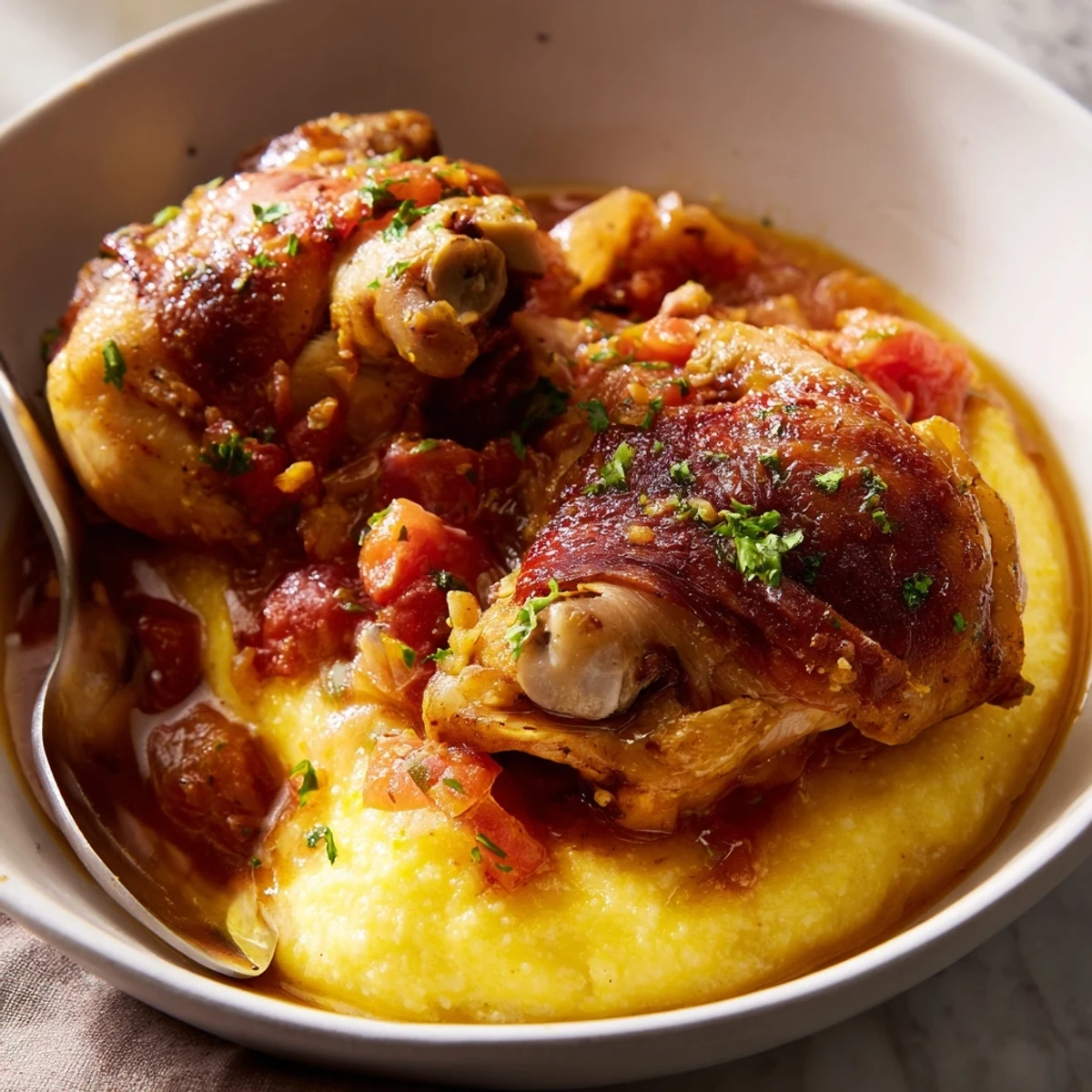
Save There was a evening when the power went out halfway through braising and I finished the pot on the back porch of my apartment building on a camping stove, the sauce bubbling under a sky full of stars while my neighbor leaned over the railing asking what smelled so good.
Choosing the Right Wine for the Braise
A dry Pinot Grigio, Vermentino, or even a crisp Sauvignon Blanc will serve you well here. The wine should taste bright and clean, never oaky or buttery, because those heavy qualities concentrate during reduction and can turn bitter. If you would happily sip a glass of it alongside the finished dish, it is the right bottle for the pot.
What to Serve Alongside
Soft polenta is my first choice because it acts like an edible pillow for the sauce, soaking up every drop without competing for attention. Mashed potatoes work beautifully too, and a thick slice of crusty bread is never a wrong answer when you need something to push around the plate. Avoid anything crunchy or delicate because the braise deserves something sturdy and warm beside it.
Storing and Reheating Like a Pro
This dish tastes better on the second day once the flavors have had time to settle and mingle in the refrigerator overnight. Reheat it gently on the stove over low heat rather than the microwave so the chicken stays tender and the sauce does not separate.
- Store in an airtight container for up to three days in the refrigerator.
- Freeze individual portions for up to two months, thawing overnight in the fridge before reheating.
- Always remove the bay leaf before storing so it does not continue infusing and become overpowering.
 Save
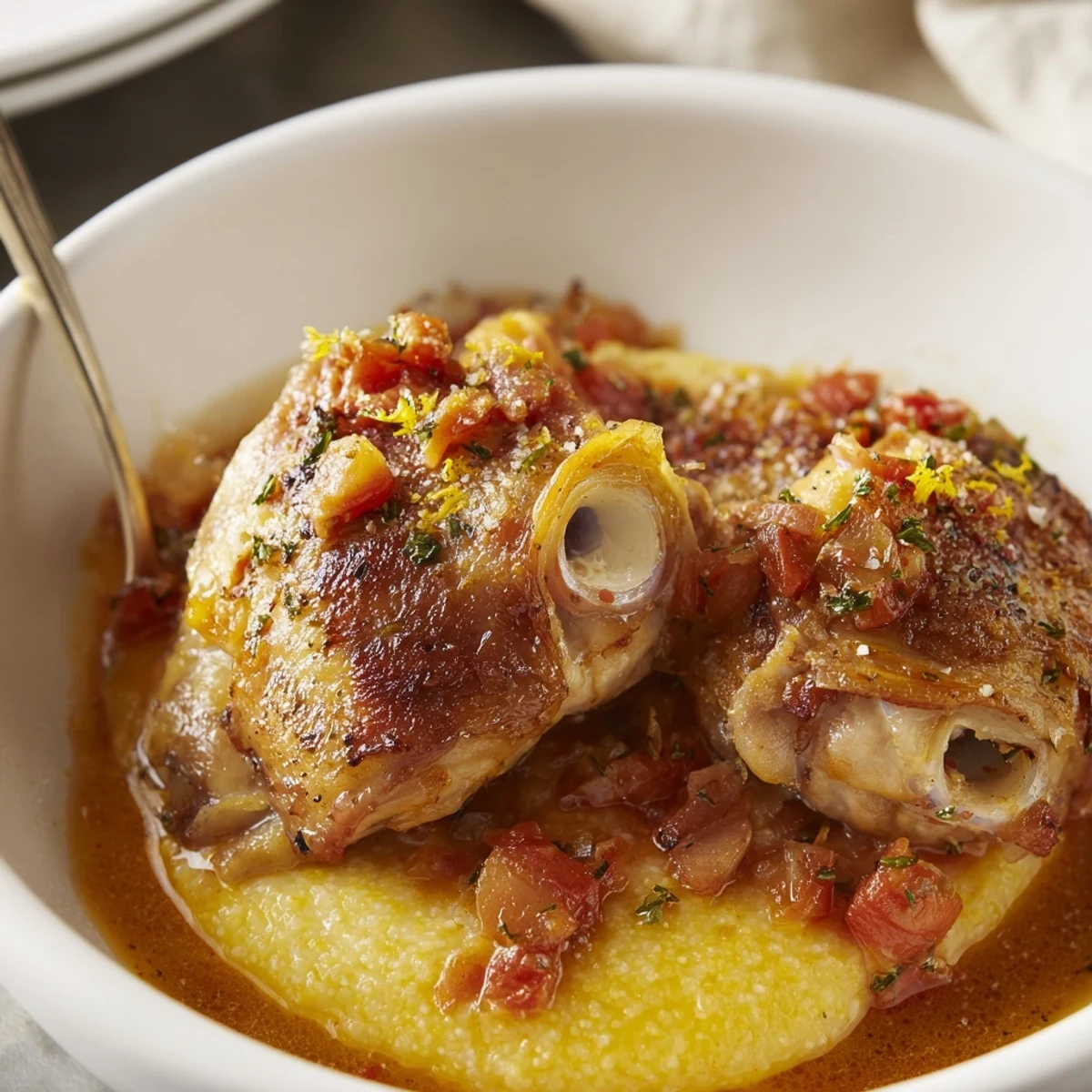
Save Some recipes earn their place in your kitchen not because they are impressive, but because they make the house smell like someone cares. This is one of those, and I hope it finds its way into your regular rotation too.
Recipe FAQs
- → How do I get a good brown on skinless thighs?
-
Pat the thighs very dry and dredge lightly in flour. Heat oil until shimmering, avoid crowding the pan, and brown undisturbed 3–5 minutes per side for a deep golden crust.
- → Can I swap the chicken for another protein?
-
Yes. Turkey thighs or veal shanks work well; adjust simmering time—turkey similar, veal may need longer—and watch internal doneness for tenderness.
- → What’s the best way to thicken the sauce?
-
Remove the lid for the final 15 minutes to reduce and concentrate. For a silkier finish, whisk in a beurre manié or a cornstarch slurry; use gluten-free flour alternatives if needed.
- → What can I use instead of white wine?
-
Substitute equal parts additional chicken stock plus 1 tablespoon white wine vinegar or lemon juice to mimic acidity, or use a dry vermouth for similar aromatics.
- → How long does this keep and how should I reheat it?
-
Store in an airtight container in the refrigerator for 3–4 days. Reheat gently on the stove over low heat until warmed through, adding a splash of stock if the sauce has thickened too much.
- → What are good serving and pairing suggestions?
-
Serve over creamy polenta, mashed potatoes, or with crusty bread to soak up the sauce. Pair with a light-bodied white like Pinot Grigio or a young Chianti.