 Save
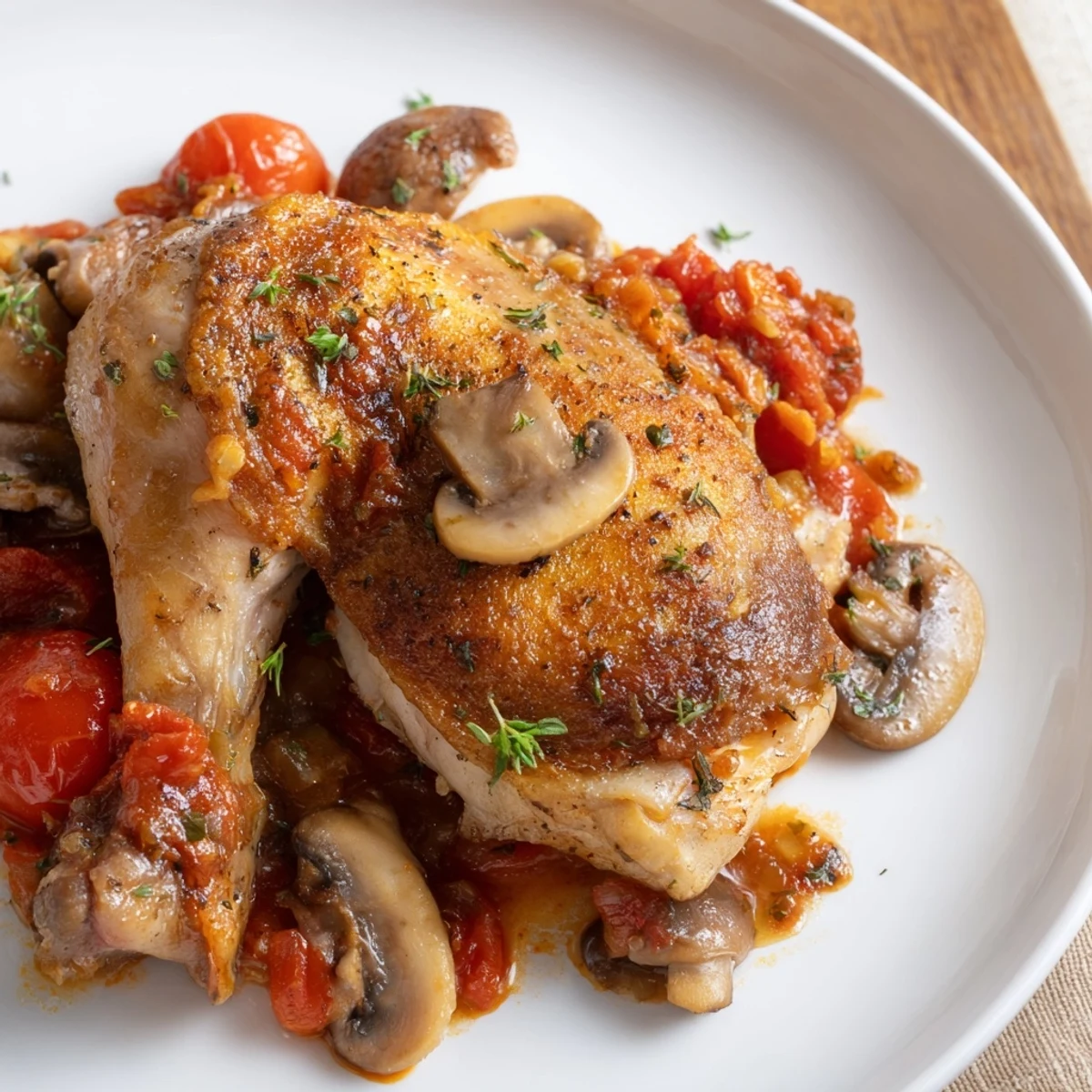
Save Classic French Hunters Chicken (Poulet Chasseur) features browned bone-in chicken simmered in a sauce of tomatoes, sliced mushrooms, dry white wine and chicken stock. Aromatic thyme and bay leaves infuse the braise; finishing with butter and chopped parsley yields a glossy, savory sauce. Cook covered then reduce uncovered until thickened. Serve with mashed potatoes or crusty bread.
The rain was hammering against the kitchen window the afternoon I decided to tackle Poulet Chasseur for the first time, half because it felt right for the weather and half because my neighbor had dropped off a bag of mushrooms and refused to explain why. The scent of wine hitting a hot pan managed to pull my husband away from his laptop, which is saying something. That dish became our unofficial cold weather tradition, the one I reach for when I want dinner to feel like an event without actually spending all day cooking.
I once served this to my mother in law, a woman who believes no meal is complete without at least three courses, and she asked for seconds before touching her salad. She now phones me every October to ask if the weather is cold enough yet for hunters chicken. I take that as the highest compliment I will ever receive in a kitchen.
Ingredients
- Bone in, skin on chicken thighs and drumsticks (4 each): The bone keeps the meat juicy during the long simmer and the skin gives you something gorgeous to brown first.
- Onion and garlic: These are the quiet backbone of the sauce, sweetening and deepening everything around them.
- White mushrooms (250 g): Slice them fairly thick so they keep some texture after simmering.
- Canned diced tomatoes (400 g) and tomato purée: Together they give the sauce body and a gentle tang that balances the richness of the chicken.
- Dry white wine (150 ml): Drink whatever you cook with, and choose something you actually enjoy.
- Chicken stock (200 ml): Check the label for gluten if that matters to you.
- Olive oil and unsalted butter: The combo gives you a higher smoke point from the oil and flavor from the butter.
- Fresh thyme, bay leaves, and parsley: Fresh herbs make a noticeable difference here, though dried thyme works in a pinch.
- Salt and black pepper: Season the chicken generously before searing, it makes all the difference.
Instructions
- Season the chicken:
- Pat the pieces dry with paper towels and season both sides well with salt and pepper. Dry skin sears better and you will thank yourself when that golden crust forms.
- Sear until golden:
- Heat the olive oil and butter in a large pan or Dutch oven over medium high heat, then lay the chicken in skin side down. Let it cook undisturbed for about five minutes per side until deeply golden, then remove and set aside on a plate.
- Build the flavor base:
- In the same pan with all those lovely drippings, sauté the onion for three to four minutes until soft and translucent. Toss in the garlic and mushrooms and let them cook until softened and lightly browned, stirring occasionally.
- Add the tomato purée and wine:
- Stir the purée in and let it cook for about a minute until it darkens slightly. Pour in the white wine and scrape up every browned bit stuck to the bottom of the pan, then let it simmer for two minutes.
- Simmer everything together:
- Add the diced tomatoes, chicken stock, thyme, and bay leaves, then nestle the chicken pieces back in skin side up. Bring it to a gentle simmer, cover, and cook on low heat for thirty minutes.
- Finish the sauce:
- Take the lid off and let it bubble uncovered for another ten to fifteen minutes until the sauce thickens and coats the back of a spoon. Remove the bay leaves and scatter fresh parsley over the top before serving.
 Save
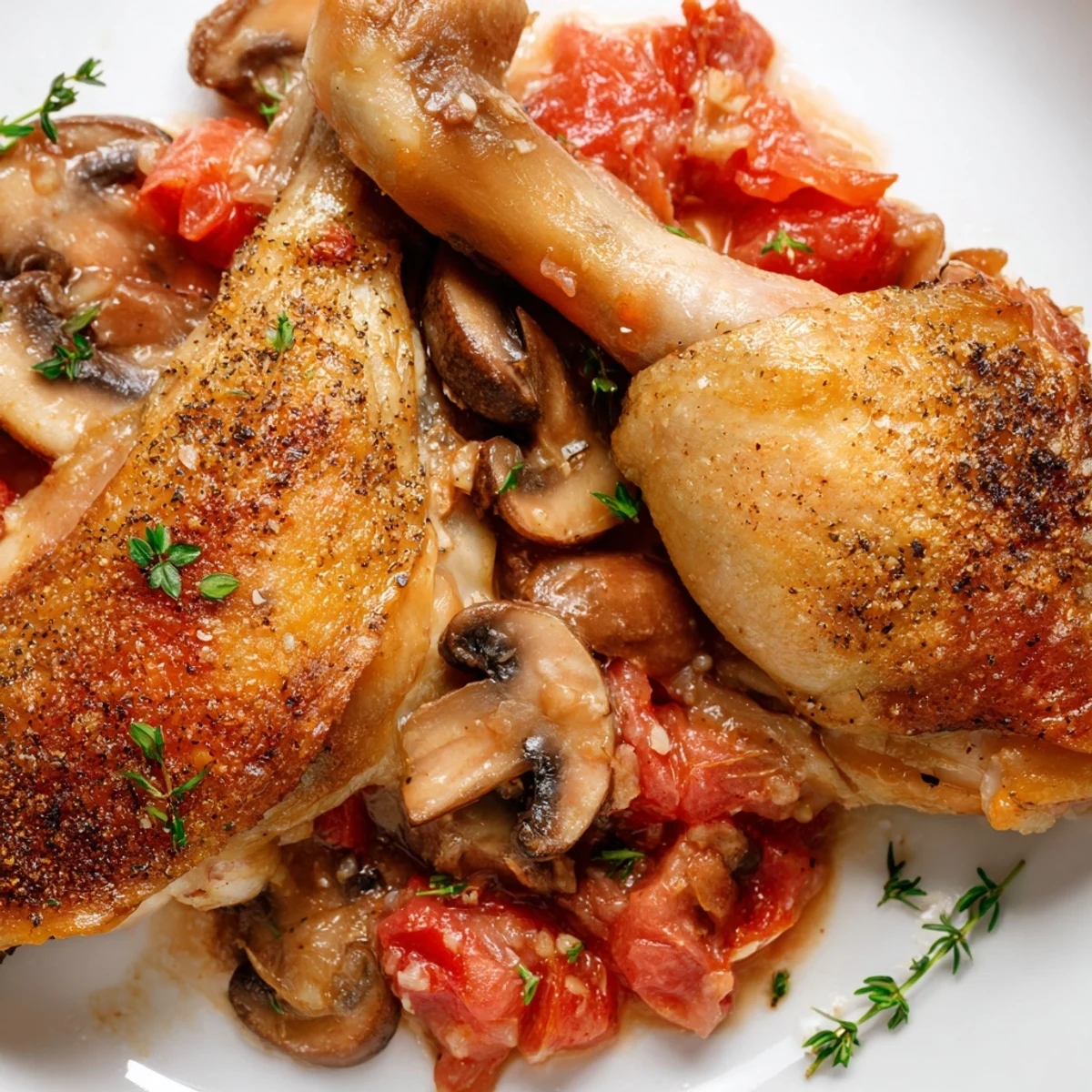
Save There is a particular kind of satisfaction in lifting the lid after thirty minutes and finding the chicken practically falling off the bone, surrounded by a sauce that smells like a farmhouse kitchen in Burgundy.
Choosing the Right Wine
A dry white wine like a Sauvignon Blanc or an unoaked Chardonnay works beautifully, but honestly anything crisp and drinkable will do the job. I have used leftover cooking wine in a pinch and the dish was still wonderful, though a slightly better bottle does give the sauce a cleaner finish. If you prefer red, a Pinot Noir or a white Burgundy alongside the meal is a lovely pairing.
Getting the Sauce Just Right
The uncovered simmer at the end is not optional, it is the moment when everything goes from good to deeply concentrated and glossy. If the sauce still looks thin after fifteen minutes, just let it go a little longer and resist the urge to crank up the heat. Patience here rewards you with a sauce that clings to the chicken and whatever you serve it with.
Serving and Leftovers
This dish was made for mashed potatoes, crusty bread, or buttered noodles, basically anything that can catch every bit of sauce. Leftovers reheat beautifully the next day and honestly I think the flavor is even better after a night in the fridge.
- A spoonful of crème fraîche stirred in at the end makes the sauce impossibly silky.
- Cremini or wild mushrooms add an earthy depth that feels completely different from the standard version.
- A splash of cognac right after the wine is the kind of small gesture that makes people ask what your secret is.
 Save
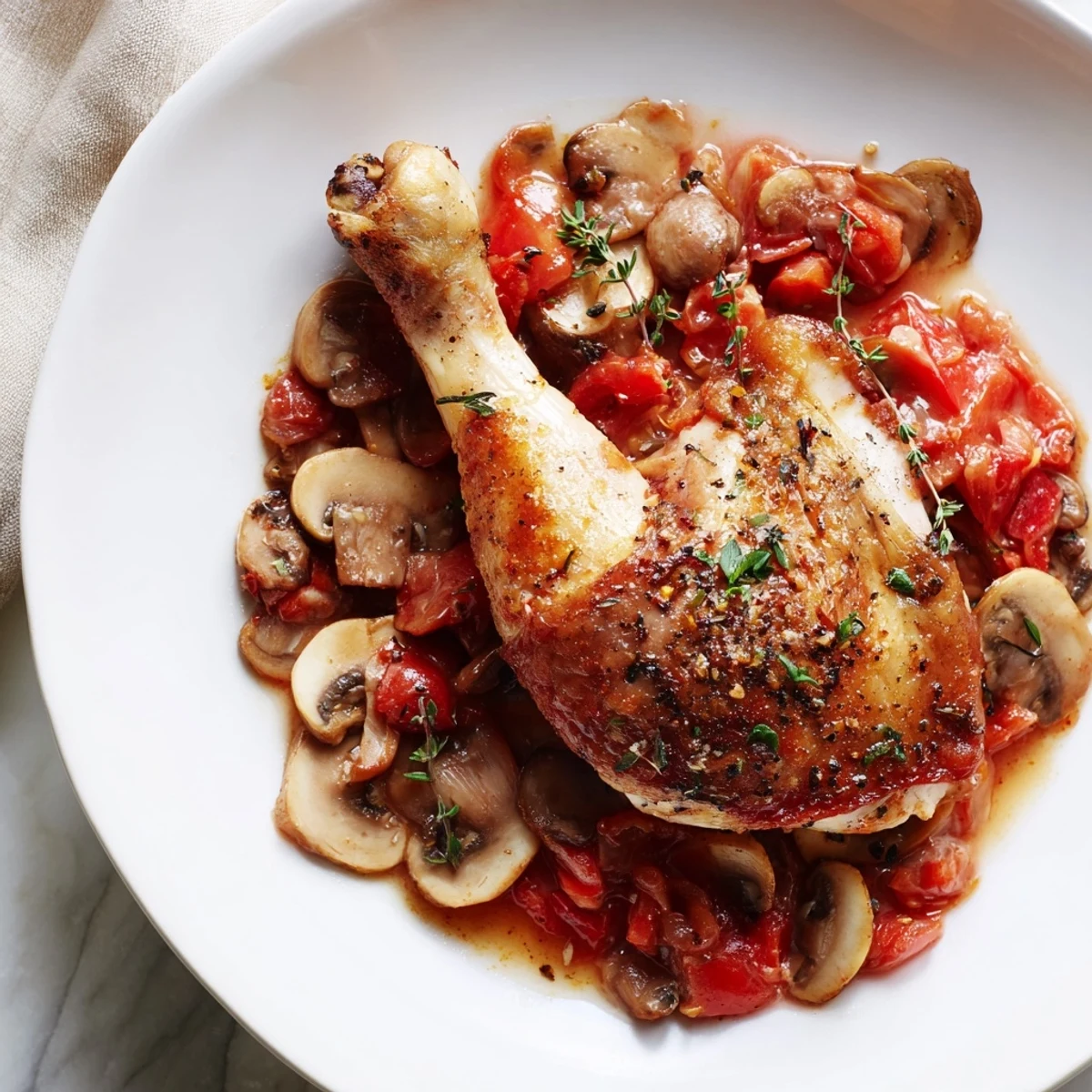
Save Some recipes become favorites because they are impressive, and some earn their place because they fill your kitchen with warmth and bring people to the table without being asked. This one does both, and it asks almost nothing of you in return.
Recipe FAQs
- → Can I use boneless chicken instead of bone-in pieces?
-
Yes. Boneless pieces will cook faster and can be seared to develop color, but reduce braising time and watch for doneness to avoid drying out.
- → Which mushrooms give the best flavor?
-
Cremini or wild mushrooms add deeper, earthier notes; button mushrooms are fine for a milder profile. Slice evenly for uniform cooking.
- → How can I thicken the sauce if it stays thin?
-
Simmer uncovered to reduce and concentrate flavors. Swirling in a knob of butter or a small spoonful of tomato purée will also enrich and slightly thicken the sauce.
- → What wine works best and are there substitutes?
-
Dry white wines like a white Burgundy or Sauvignon Blanc brighten the sauce. Use low-sodium chicken stock or a splash of vermouth as a non-alcoholic-friendly option if preferred.
- → Is this suitable for a gluten-free diet?
-
Yes, when stock and wine labels confirm no hidden gluten. Avoid adding flour as a thickener or use a certified gluten-free alternative if needed.
- → How should leftovers be stored and reheated?
-
Cool promptly, refrigerate in an airtight container for up to 3 days, and gently reheat on the stove over low heat to preserve texture and prevent the sauce from separating.