 Save
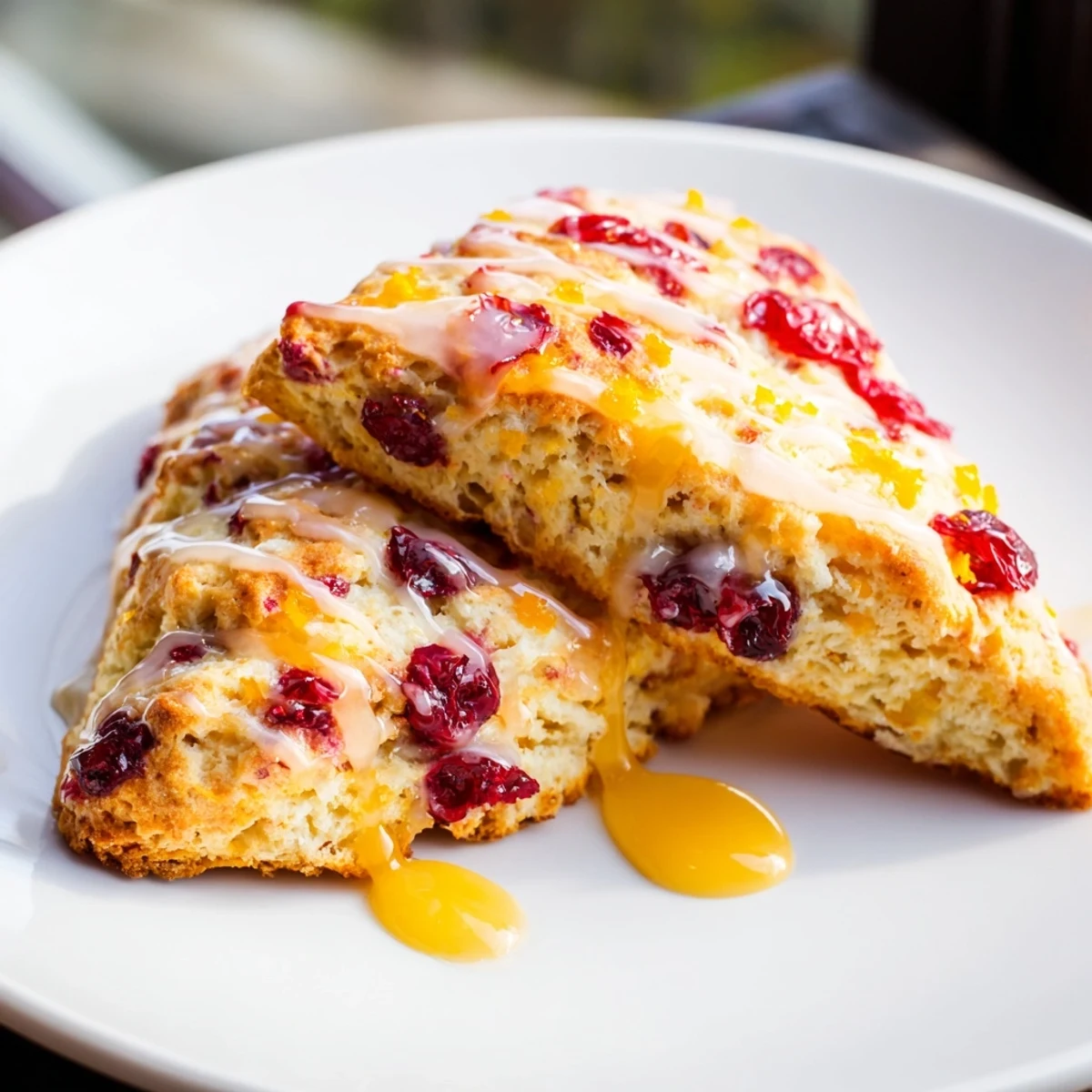
Save These tender, buttery scones combine tart cranberries with fresh orange zest for a delightful burst of flavor. The dough is gently mixed to maintain a tender crumb, then baked until golden. A smooth sweet orange glaze enhances each scone, adding a bright, citrusy finish that pairs beautifully with breakfast or tea time. Simple ingredients and easy steps make this a perfect treat to enjoy warm or cooled.
Years ago, I found myself in a tiny tea room in London, watching an elderly baker pull golden scones from the oven, their butter-studded surfaces glistening under the kitchen lights. When she drizzled them with a glossy orange glaze, I realized something clicked—the brightness of citrus could transform a simple baked good into something almost magical. That memory sat with me for months before I finally attempted my own version at home, and now these cranberry orange scones have become the dish I make whenever I want to feel that same sense of wonder in my own kitchen.
I'll never forget the Saturday morning I made these for my sister's book club gathering, and everyone immediately stopped mid-conversation to ask for the recipe. One friend literally had her eyes closed while eating, just savoring that burst of tartness followed by the creamy glaze. It became one of those moments where food became the main character in the room, and I realized the power of a scone done right.
Ingredients
- All-purpose flour (2 cups): The foundation here—I always make sure it's been sitting at room temperature for a bit, as cold flour can resist mixing.
- Granulated sugar (1/3 cup): Just enough sweetness to let the citrus shine; resist the urge to add more unless you're using very tart cranberries.
- Baking powder (1 tablespoon): Your leavening agent—check the expiration date, as old baking powder won't give you that tender crumb.
- Salt (1/2 teaspoon): A pinch that makes everything else taste more like itself.
- Orange zest (1 tablespoon): Use a microplane for the finest texture, and do this before you squeeze the juice so it's easier to handle.
- Cold unsalted butter (1/2 cup, cubed): Cold is non-negotiable here—it's what creates those little pockets of steam that give scones their characteristic tender crumb.
- Cold heavy cream (2/3 cup): The secret weapon for moisture without toughening the dough; ice-cold makes all the difference.
- Large egg (1): Acts as both binder and glaze, helping everything hold together and creating that golden shine.
- Pure vanilla extract (1 teaspoon): A background note that rounds out the citrus without announcing itself.
- Fresh or dried cranberries (1 cup): If using dried, a quick soak in hot water plumps them up beautifully; fresh berries stay bright and pop in your mouth.
- Powdered sugar (1 cup, sifted): For the glaze—sifting removes lumps and ensures a smooth, pourable finish.
- Freshly squeezed orange juice (2–3 tablespoons): Start with 2 tablespoons and add more as needed to reach the right consistency; bottled won't give you the same brightness.
- Orange zest for glaze (1/2 teaspoon): A finishing touch that ties the whole flavor story together.
Instructions
- Set your stage:
- Preheat the oven to 400°F and line a baking sheet with parchment paper so your scones won't stick.
- Build the dry foundation:
- Whisk together the flour, sugar, baking powder, salt, and orange zest in a large bowl, making sure everything is evenly distributed. This is where the citrus flavor gets anchored into every bite.
- Cut in the cold butter:
- Add the cubed cold butter and use a pastry cutter or your fingertips to work it into the flour until the mixture resembles coarse breadcrumbs. The tiny butter pieces are essential—they create steam pockets that make scones tender.
- Combine the wet mixture:
- In another bowl, whisk together the cold cream, egg, and vanilla until just blended. Keep this cold to protect those precious butter pieces.
- Bring it together gently:
- Pour the wet ingredients into the dry, scatter the cranberries over everything, and stir with a fork just until the dough comes together. Overmixing is the enemy here; you want some streaks of flour left visible.
- Shape with a light touch:
- Turn the dough onto a lightly floured surface and pat it into a 1-inch-thick circle about 8 inches across. Don't knead or press too hard—treat it like it's fragile, because it is.
- Cut into wedges:
- Using a sharp knife, cut the circle into 8 wedges like a pizza, then arrange them on your prepared baking sheet with a little space between each one. This allows heat to circulate and crisp them up.
- Add a finishing touch:
- Brush the tops of each scone with a little extra cream for that beautiful golden-brown exterior. This is what makes them irresistible when they come out of the oven.
- Bake to golden perfection:
- Bake for 16–18 minutes until the scones are golden and firm to the touch. The aroma alone will tell you when they're ready.
- Cool and glaze:
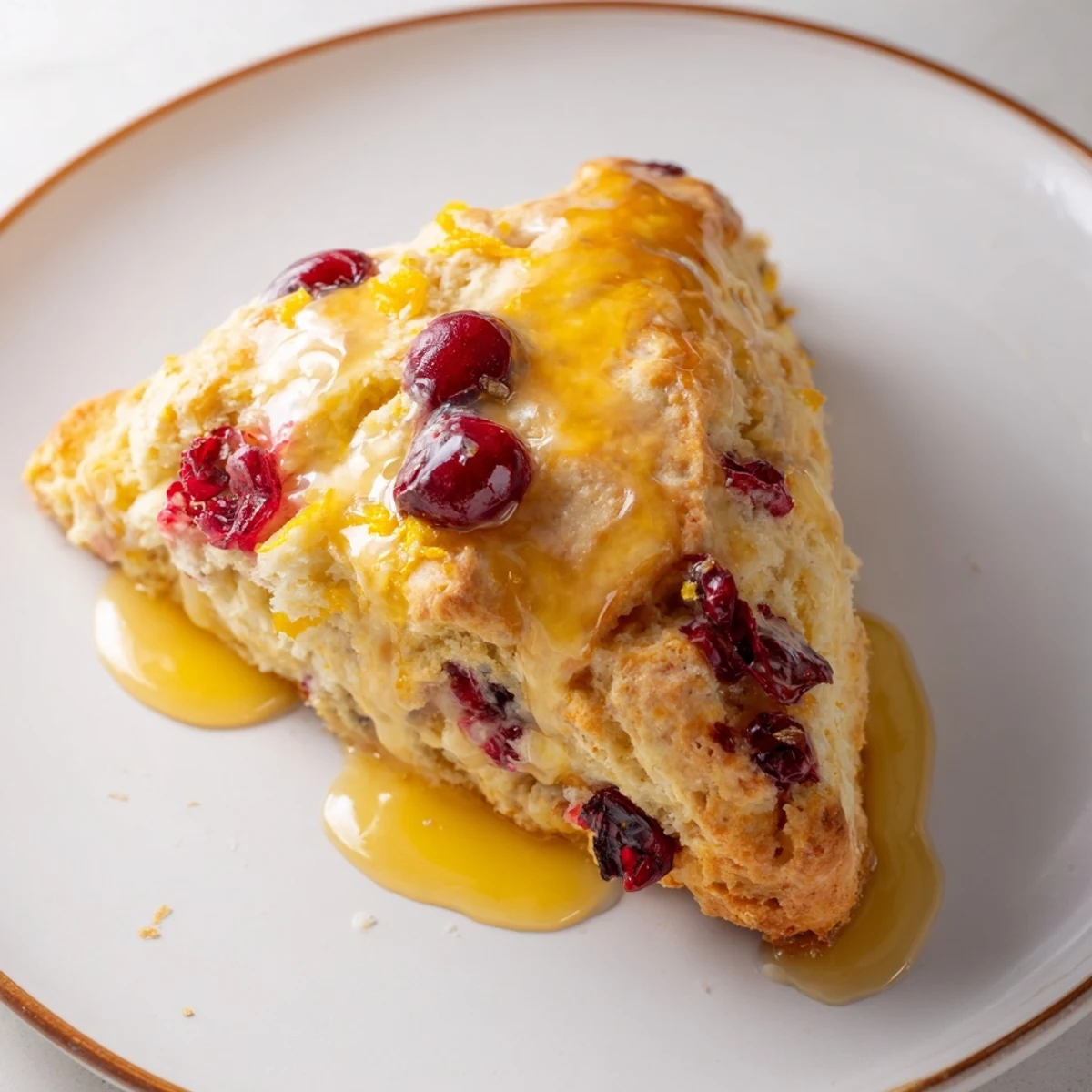
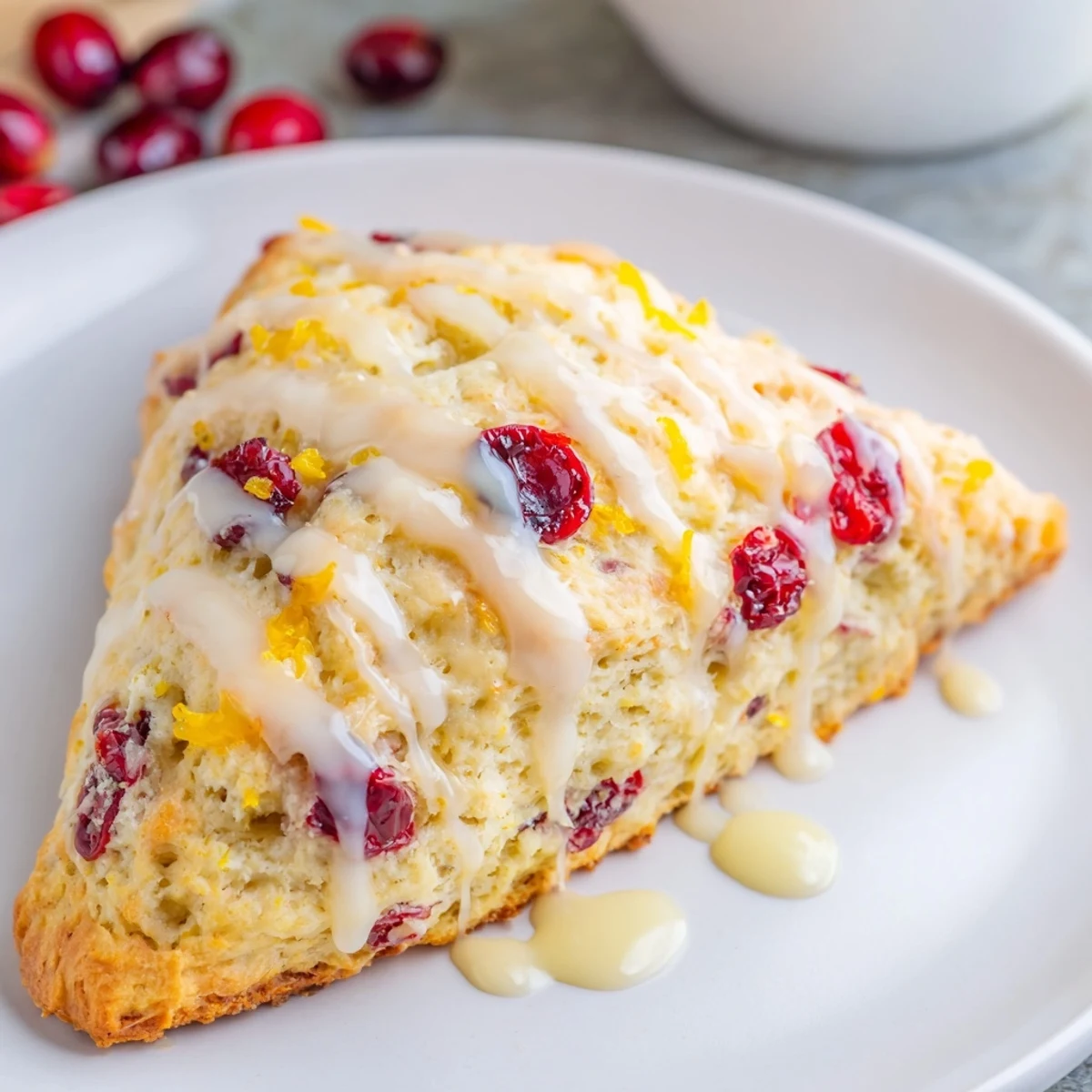
- Let the scones cool on a wire rack for a few minutes, then whisk together the powdered sugar, fresh orange juice, and orange zest until smooth and pourable. Drizzle generously over each scone while they're still warm but set enough to hold the glaze.
 Save
Save There's something almost ceremonial about serving warm scones with glaze still glistening, watching someone take that first bite and pause as the flavors settle on their tongue. That moment, right there, is why I keep making these.
The Secret to Tender Scones
The most common mistake I see is people trying to rush the butter-cutting step or using soft butter. Those tiny cold butter pieces are literally what separates a fluffy scone from a heavy biscuit. When they hit the hot oven, they create little pockets of steam that make the crumb light and tender. I learned this the hard way after a batch of dense disappointments, and now I actually chill my butter bowl in the freezer for five minutes before I start—it sounds excessive, but it works.
Customizing Your Batch
These scones are wonderfully flexible once you understand the base formula. Fresh cranberries give you a bright tartness that dried cranberries can't quite match, but dried work beautifully when you plump them up first. I've added chopped toasted pecans for crunch, swapped the orange for lemon zest, and even tried a maple glaze instead of orange. The structure stays the same; you're just playing with flavors within a framework that works.
Pairing and Storage Tips
These scones are at their best served warm with a strong cup of tea or coffee, though they're still wonderful at room temperature if you need to make them ahead. They'll keep in an airtight container for two days, and you can actually freeze the baked scones for up to a month—just warm them gently before serving and add fresh glaze right before eating.
- Earl Grey tea is the classic pairing, but a light breakfast coffee works beautifully too.
- If making ahead, store the glaze separately and drizzle just before serving for the best texture.
- These freeze wonderfully, so make a double batch and you'll have breakfast sorted for weeks.
 Save
Save Making these scones is one of those kitchen tasks that feels both luxurious and approachable at the same time. You'll have beautiful breakfast treats ready in under an hour, and people will taste the care and attention you put into keeping everything cold and treating the dough with respect.
Recipe FAQs
- → How do I achieve tender scones?
-
Use cold butter cut into the flour until the mixture resembles coarse crumbs, and avoid overmixing the dough to keep the texture light and tender.
- → Can I substitute dried cranberries?
-
Yes, dried cranberries can be soaked in hot water for 5 minutes and drained before use to soften them and intensify their flavor.
- → How is the orange glaze made?
-
Whisk powdered sugar with freshly squeezed orange juice and grated orange zest until smooth and pourable to create the glaze.
- → What baking temperature is recommended?
-
Bake the scones at 400°F (200°C) for 16–18 minutes until golden and cooked through.
- → Any tips for serving?
-
Serve warm for the best texture and enjoy alongside Earl Grey tea or freshly brewed coffee for a perfect pairing.