 Save
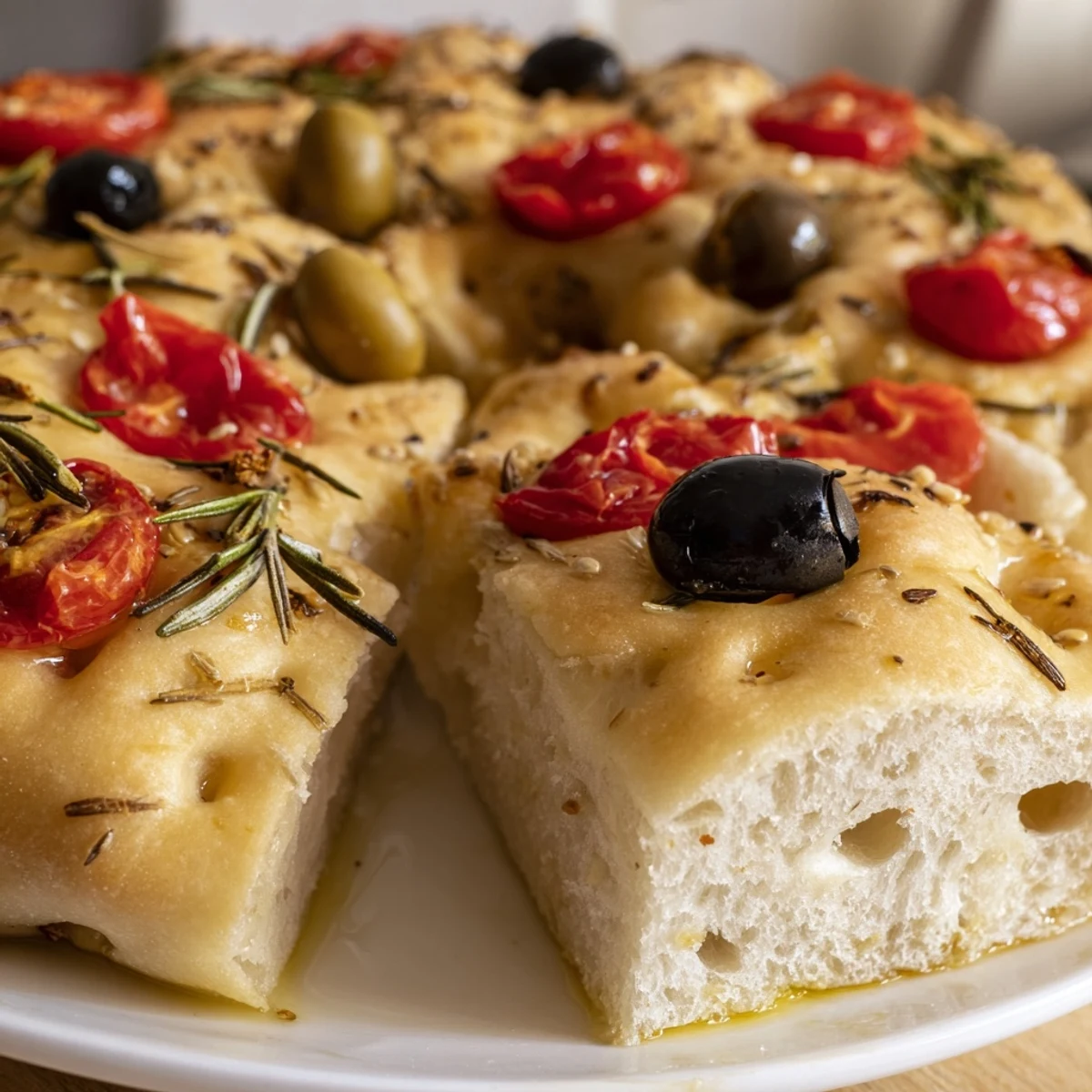
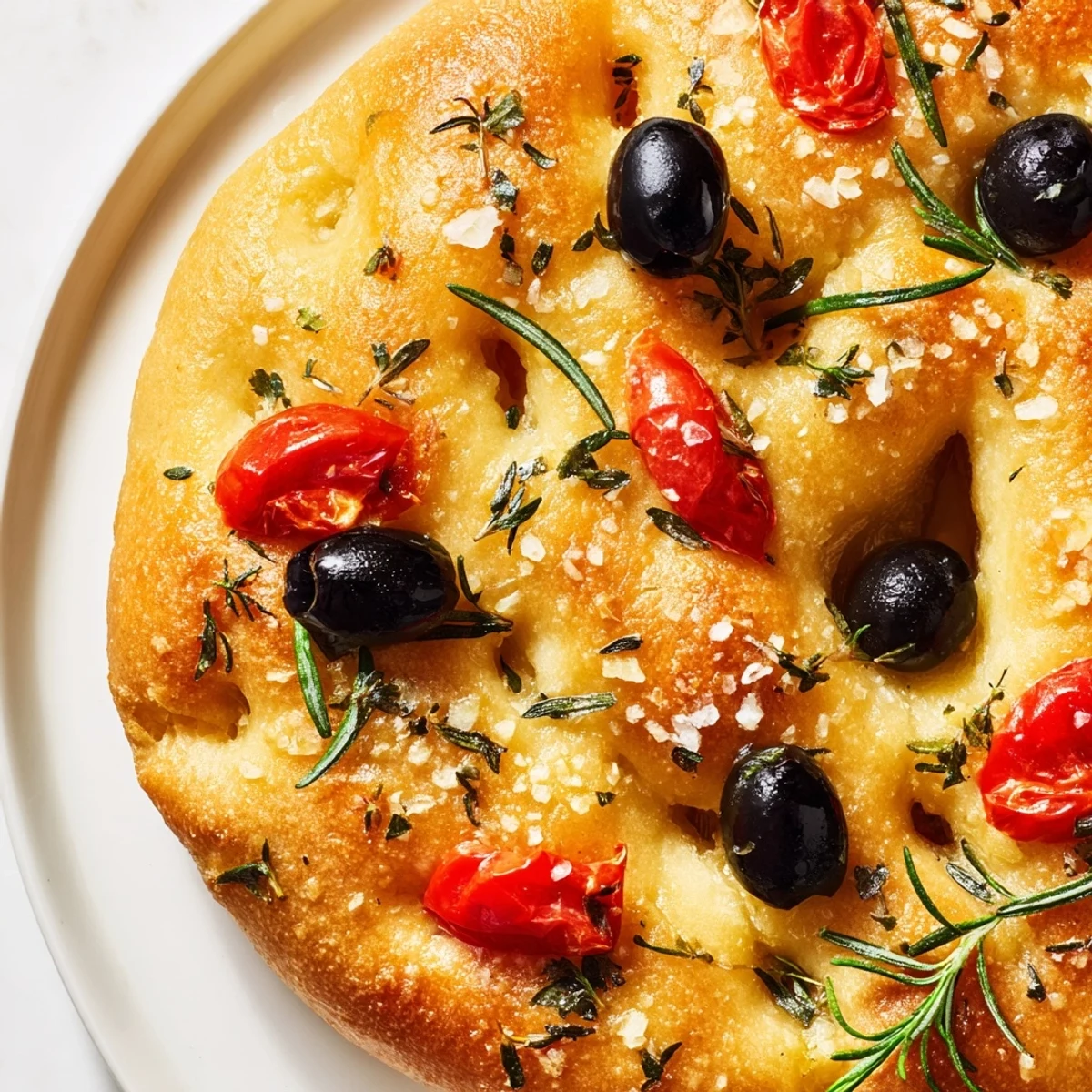
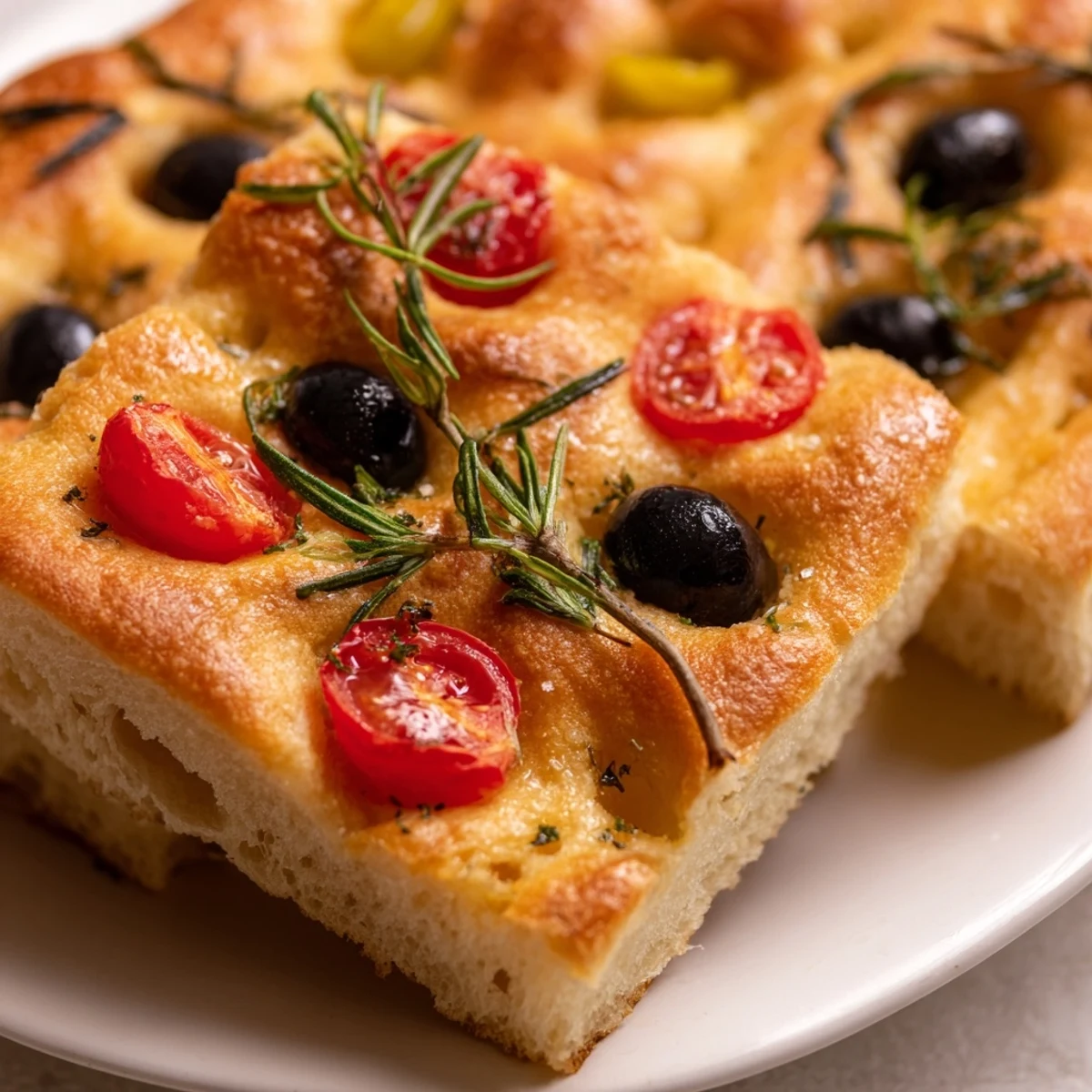
Save These golden mini focaccias deliver the perfect balance of textures—crispy, caramelized crusts giving way to soft, airy interiors infused with olive oil and fragrant rosemary. The individual portions bake up beautifully in just 20 minutes after a simple rise, making them ideal for serving warm alongside soups, salads, or as standalone appetizers.
The dimpled surface creates valleys for olive oil to pool, while flaky sea salt and fresh herbs add bright, savory notes that complement the naturally yeasted dough. Customizable with cherry tomatoes, olives, or caramelized onions, these versatile Italian breads offer bakery-quality results with minimal effort.
Last summer my neighbor taught me how to make these while we watched her garden tomatoes ripen on the vine. She'd make them every Sunday morning, the rosemary scent drifting through the open windows between our houses. Now whenever I bake them, that herb aroma brings back those slow weekend mornings and simple conversation.
I made these for a dinner party when my oven decided to heat unevenly. Some came out darker, others lighter, and you know what? Everyone fought over the crispiest ones. Now I know that perfect golden brown isn't the goal anymore—it's about that texture contrast that makes people reach for seconds.
Ingredients
- All-purpose flour: Bread flour works too but AP gives that tender crumb we want here
- Lukewarm water: Test it on your wrist like baby bottle warm, about 105°F wakes up the yeast best
- Active dry yeast: Check the expiration date because old yeast means flat disappointing bread
- Fine sea salt: Distributes evenly through dough unlike coarse salt which leaves salty pockets
- Extra virgin olive oil: Use the good stuff here since it's a major flavor player
- Sugar: Just enough to feed the yeast, not enough to make these sweet
- Flaky sea salt: Those crunchy bursts on top are what restaurant focaccia has going on
- Fresh rosemary: Dried works but fresh releases oils when you press it into the dough
- Cherry tomatoes: They roast and concentrate but honestly plain version is just as good
- Black olives: Kalamata add nice brine contrast if that's your thing
Instructions
- Wake up the yeast:
- Stir water and sugar together, sprinkle yeast on top and walk away for 5 minutes. You should see bubbles forming—that's how you know it's alive and working.
- Mix the dough:
- Add flour, salt, and olive oil right into the yeast mixture. Stir until it comes together into a shaggy sticky ball.
- Knead it out:
- Turn onto a floured surface and fold push turn for about 6 minutes. Dough should feel smooth and spring back when you poke it.
- Let it rise:
- Place in an oiled bowl, cover with a damp towel, and find a warm corner. Wait an hour until it's twice the size.
- Heat things up:
- Preheat oven to 425°F and line a baking sheet with parchment. Hot oven equals crispy crust.
- Shape and divide:
- Punch down dough gently and cut into 8 equal pieces. Form each into rough rounds or ovals and space them on the sheet.
- Make those dimples:
- Press fingertips firmly all over each piece creating little wells. Brush generously with olive oil.
- Add the toppings:
- Sprinkle flaky salt and rosemary, press in tomatoes and olives if using. Get everything into those dimples.
- Bake until golden:
- 18 to 20 minutes until tops are crisp and bottoms sound hollow when tapped. Darker spots are good.
- Cool slightly:
- Let them sit for just 5 minutes because the texture settles as they cool but they're best warm.
 Save
Save My partner declared these better than the ones from that Italian place downtown, which might just be kindness but I'll take it. Now they're requested at every gathering, even by friends who claim they don't like rosemary.
Getting The Rise Right
I've learned that yeast is surprisingly picky about temperature. In winter, I preheat my oven for one minute then turn it off and let dough rise inside. In summer, the counter works fine. The key is finding a draft free spot where temperature stays consistent.
Topping Variations
Sometimes I skip tomatoes and olives entirely. Caramelized onions change everything into something sweet and savory. Grated parmesan melted into the dimple creates these salty cheese pockets. Sundried tomatoes packed in oil add intense flavor without fresh ingredients.
Making Ahead
The dough actually benefits from an overnight rest in the refrigerator. That slow fermentation develops deeper flavor. You can also bake these fully, freeze them, and reheat at 350°F for about 8 minutes. They'll crisp right back up.
- Double the recipe because these disappear faster than you expect
- Wrap any leftovers in foil and rewarm gently, never microwave or they'll get tough
- The dough keeps in the fridge for up to 2 days if you want to bake fresh
 Save
Save There's something deeply satisfying about making bread that feels fancy but doesn't require special skills or patience. These have become my go-to for bringing to gatherings because they travel well and never fail to make people happy.
Recipe FAQs
- → Why is my focaccia not crispy?
-
Insufficient oven temperature or inadequate baking time can prevent proper crisping. Ensure your oven reaches 425°F (220°C) and bake until deep golden. Using a baking stone helps achieve superior bottom crust crispiness by conducting heat more efficiently.
- → Can I prepare the dough ahead?
-
Yes, prepare the dough through the first rise, then refrigerate for up to 24 hours. Bring to room temperature before shaping and baking. The extended fermentation actually enhances flavor development and creates a more complex taste profile.
- → What's the purpose of dimpling the dough?
-
Dimpling creates small wells that capture olive oil, herbs, and seasonings while baking. These indentations also help the dough maintain its airy texture by preventing excessive puffing, ensuring that characteristic focaccia appearance with irresistible crevices.
- → Can I use fresh yeast instead?
-
Substitute 15g fresh yeast for the active dry yeast. Crumble it directly into the lukewarm water without waiting for foaming. Fresh yeast activates more quickly, potentially reducing rise time slightly, so monitor dough progression closely.
- → Why did my dough not rise?
-
Water temperature may have been too hot, killing the yeast, or too cold, slowing activation. Yeast also requires warmth and time—find a draft-free spot around 75-80°F (24-27°C) for rising. Ensure your yeast is fresh and not expired for optimal results.
- → How should I store leftovers?
-
Store completely cooled mini focaccias in an airtight container at room temperature for up to 2 days. For longer storage, freeze individually wrapped portions for up to 3 months. Reheat in a 350°F (175°C) oven for 5-7 minutes to restore crispiness.