 Save
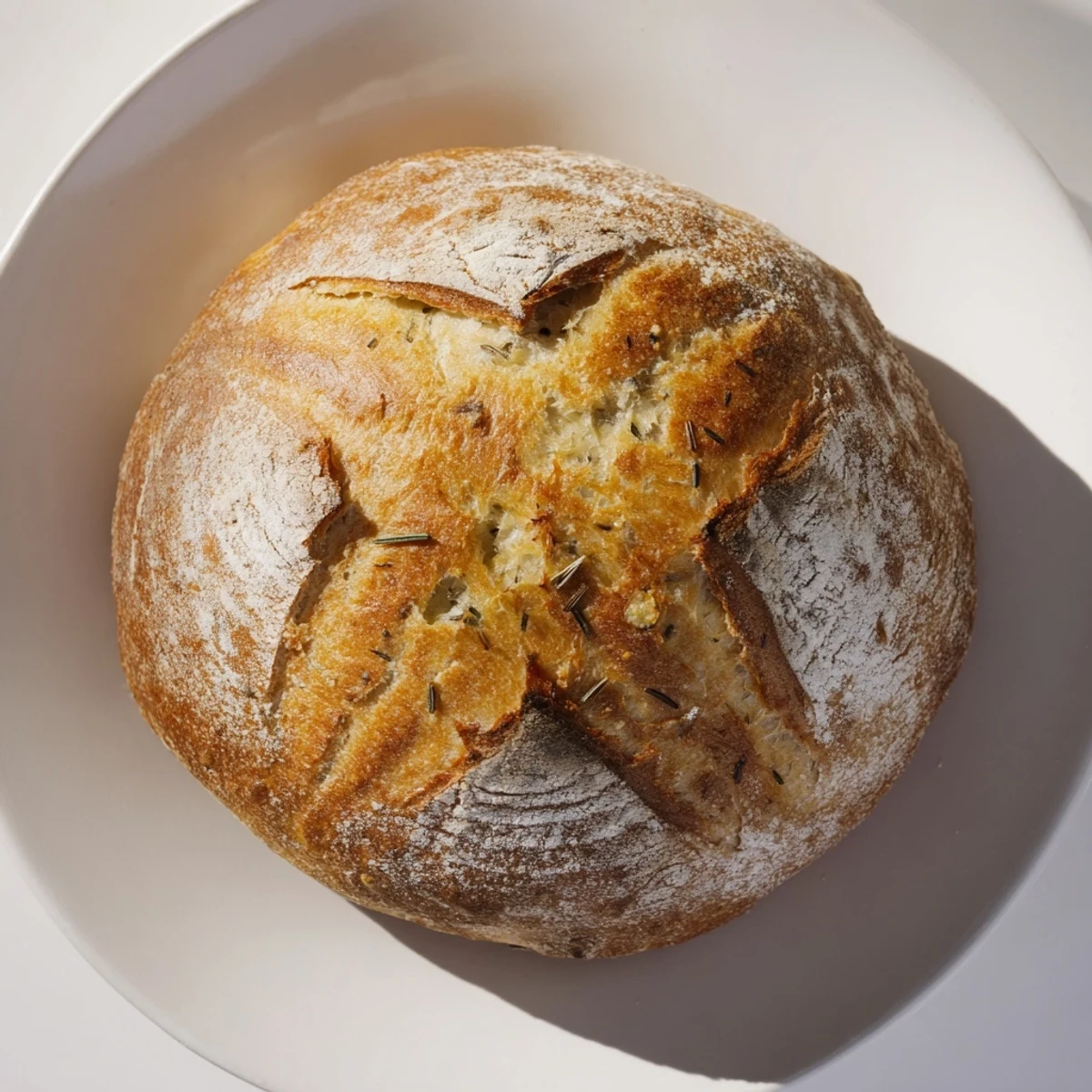
Save This rustic Dutch oven bread combines fresh garlic and fragrant rosemary for an incredibly aromatic loaf. The method creates a professional bakery-style crust with a tender, flavorful inside.
Simply mix flour, yeast, and aromatics, let rise for a few hours, then bake in a preheated Dutch oven for that perfect golden crust. The steam created by the covered pot ensures a soft interior while developing a crunchy exterior.
Customize with olives or sun-dried tomatoes. Best served warm the same day, though leftovers toast beautifully for breakfast the next morning.
The smell of garlic and rosemary hitting hot olive oil still transports me back to my tiny first apartment kitchen where I taught myself to bake bread. My neighbor Elena would catch the scent through our shared ventilation and knock on my door with a bottle of wine within minutes of this loaf emerging from the oven.
During a particularly snowy February when my car would not start I made this bread three days in a row. Each morning Id wake up to feed the fire and check the dough feeling strangely proud that something so ordinary could bring such comfort during a week stuck indoors.
Ingredients
- Bread flour: Higher protein content creates the structure needed for that dramatic oven spring and sturdy crumb
- Fine sea salt: Dissolves evenly into dough and enhances the garlic flavor without leaving salty pockets
- Active dry yeast: Reliable and forgiving perfect for longer fermentation that builds deep flavor
- Lukewarm water: Should feel like bath temperature too cold and yeast sleeps too hot and it dies
- Olive oil: Adds subtle richness and keeps the crust tender rather than rock hard
- Fresh garlic: Minced finely so it disperses throughout the crumb creating pockets of aromatic warmth
- Fresh rosemary: Woody pine flavor pairs perfectly with garlic and holds up beautifully to high heat baking
Instructions
- Mix your foundation:
- Whisk flour salt and yeast in a large bowl until fully combined making sure no salt pockets remain where yeast could be inhibited
- Build the dough:
- Pour in lukewarm water and olive oil stirring with a wooden spoon until a shaggy sticky mass forms that holds together when pressed
- Add the aromatics:
- Fold in minced garlic and chopped rosemary using your hands or a spatula being gentle to avoid tearing the developing gluten structure
- First rise:
- Cover the bowl with plastic wrap or a damp towel and let it sit undisturbed for 2 to 3 hours until the dough has doubled in size and bubbles appear on the surface
- Shape with intention:
- Turn dough onto a floured surface and using floured hands fold the edges toward the center to create tension then flip and tuck into a smooth round ball
- Second rise:
- Place the dough seam side down on parchment paper cover loosely and let rest for 30 to 45 minutes while the oven heats
- Preheat with purpose:
- Put your Dutch oven with its lid on in the oven and heat to 450°F for at least 30 minutes to ensure the interior is fully saturated with heat
- Transfer with care:
- Carefully lift the hot Dutch oven out use the parchment as a sling to lower the dough inside and cover immediately with the hot lid
- Build the crust:
- Bake covered for 30 minutes then remove the lid and continue baking 12 to 15 minutes more until the crust transforms into deep golden brown
- Patience pays off:
- Let the bread cool on a wire rack for at least 20 minutes because cutting too early will steam the crumb and make the texture gummy
 Save
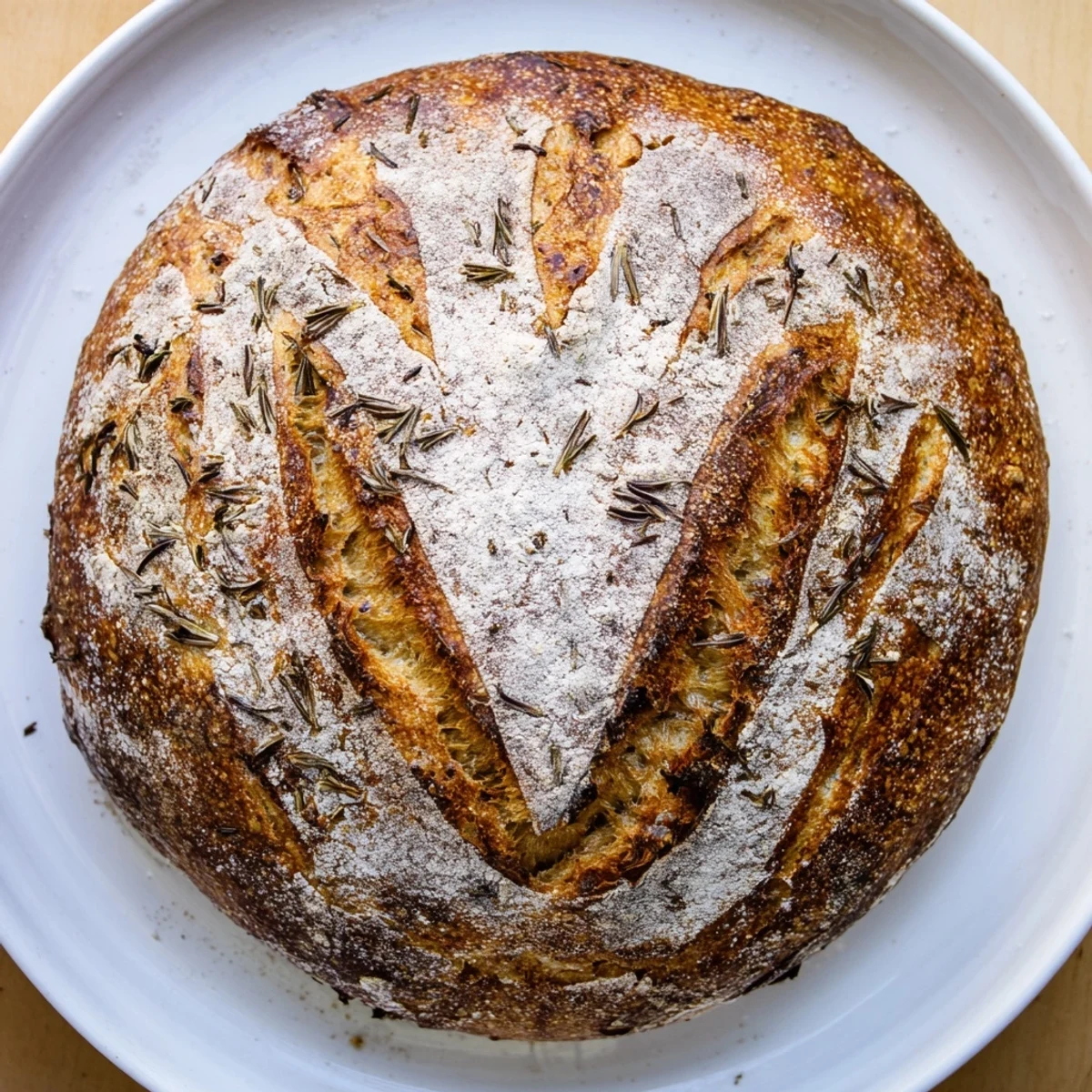
Save This bread became my go to housewarming gift after I brought it to a friends dinner party and her father who had lived in Italy for twenty years asked for the recipe before he even finished his first slice.
The Magic Of Steam Baking
The covered Dutch oven traps steam from the dough itself allowing the bread to expand fully before the crust sets. This creates the beautiful airy crumb structure while still developing that professional looking crust once the lid comes off for the final minutes.
Understanding Your Doughs Development
The long slow rise at room temperature lets enzymes break down starches into simple sugars which means better flavor and better caramelization during baking. You will notice the dough feels alive and slightly jiggly when it is properly proofed.
Making It Your Own
Kalamata olives added during the final folding step create bursts of briny brightness that cut through the richness. Sun dried tomatoes work beautifully too just pat them dry first to avoid adding too much moisture to your dough.
- Roast your garlic cloves beforehand for a sweeter mellow flavor
- Try swapping rosemary for fresh thyme in spring
- Brush the crust with olive oil immediately after baking for extra shine
 Save
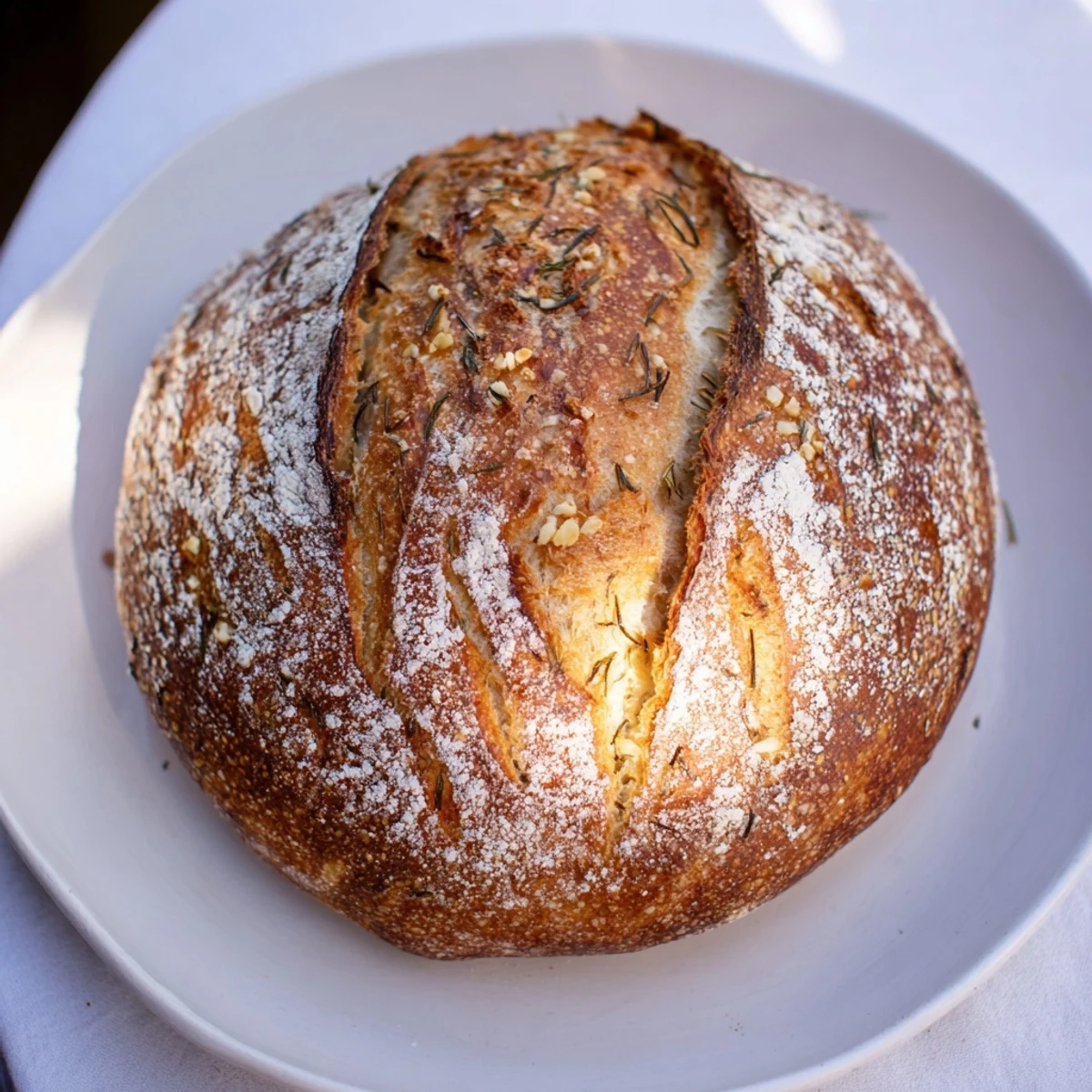
Save There is something profoundly satisfying about pulling this fragrant golden loaf from the oven knowing that with just a few simple ingredients and a little time you have created something better than anything from a bakery.
Recipe FAQs
- → Why use a Dutch oven for bread?
-
A Dutch oven creates steam during baking, which helps develop a thick, crispy crust while keeping the interior moist and tender, similar to professional steam-injected ovens.
- → Can I use dried rosemary instead of fresh?
-
Yes, use 1 teaspoon of dried rosemary instead of 2 tablespoons fresh. Rub it between your fingers before adding to release the aromatic oils.
- → How do I know when the bread is done?
-
The crust should be deep golden brown, and the loaf should sound hollow when tapped on the bottom. An instant thermometer inserted into the center should read 200°F (93°C).
- → Can I make this without a Dutch oven?
-
Bake on a preheated baking stone or sheet pan at 450°F. Create steam by placing a pan of hot water on the bottom rack, though the crust may be slightly less crisp.
- → How should I store leftovers?
-
Wrap in a clean cloth or paper bag at room temperature for up to 2 days. Avoid plastic bags which make the crust soft. Stale slices make excellent French toast or croutons.
- → Can I freeze the dough or baked loaf?
-
Freeze the shaped, unrisen dough wrapped tightly in plastic for up to 3 weeks. Thaw overnight in the refrigerator, then let rise before baking. Baked loaves freeze well for 2 months.