
 Save
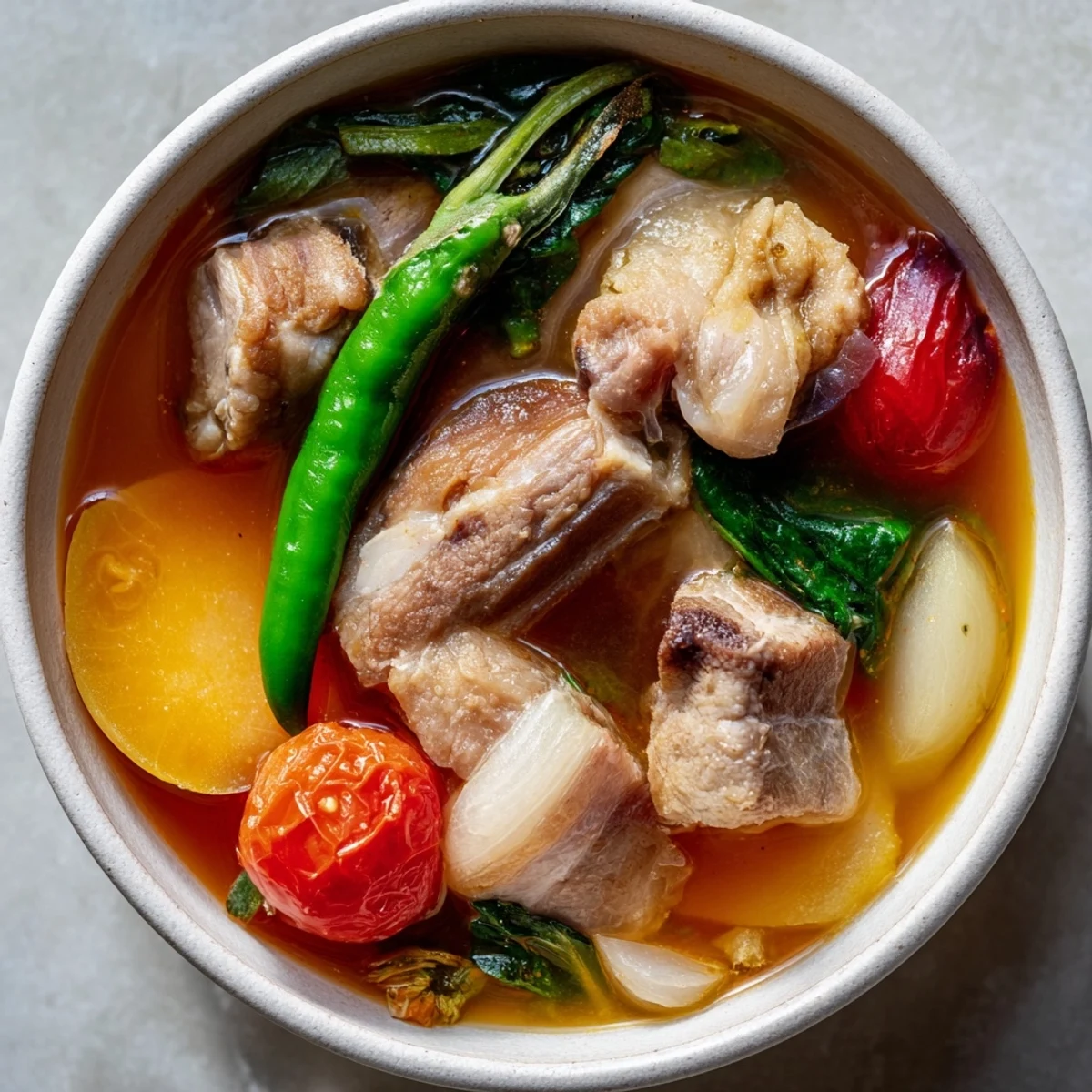
Save Sinigang represents the essence of Filipino comfort cuisine, balancing sour and savory flavors in a warming soup that brings families together. The signature tanginess comes from tamarind, which creates an unmistakable bright broth that perfectly complements tender pork and an array of garden vegetables.
This dish shines on rainy days or whenever you crave something deeply satisfying. The broth develops its character through simmering tomatoes, onions, and radish alongside the meat, while later additions of eggplant, string beans, and leafy greens add texture and nutrition. Each bowl tells a story of Filipino culinary tradition, where sour flavors are celebrated rather than tempered.
Whether you're new to Filipino cuisine or revisiting familiar flavors, this soup delivers an authentic experience. The preparation allows flexibility—shrimp or fish can replace the pork for lighter variations, while the vegetable selection adapts to what's fresh and available. Serve alongside steaming white rice for a complete meal that warms both body and soul.
My lola would wake me up on rainy Manila mornings with that unmistakable sour broth smell wafting through the house, something about tamarid and slow-cooked pork that made even the gloomiest weather feel like home. Now whenever storm clouds gather, I find myself reaching for pork belly without even thinking about it. The way this soup warms you from the inside out feels like a hug across generations.
Last Christmas, I made this for my husband's family who had never tried Filipino food before. His mom kept taking small tentative sips between conversations, then suddenly asked for the recipe before we even cleared the table. Now whenever we visit, there's always a request for 'that sour soup.'
Ingredients
- 1 kg pork belly or pork ribs: The fatty richness of pork belly creates that luxurious mouthfeel, but ribs add incredible depth too—whichever you choose, keep those chunks generous
- 2 medium tomatoes, quartered: These break down into the broth, adding subtle sweetness that balances the sharp sourness
- 1 large onion, quartered: Essential foundation—dont rush this step, the onion's sweetness mellows everything beautifully
- 1 daikon radish, peeled and sliced: Soaks up all those flavors while maintaining this lovely crisp texture that contrasts with the tender pork
- 10 string beans, trimmed and cut into 2-inch pieces: They should still have a slight snap when you eat them—overcooked string beans are a sin in Filipino cooking
- 1 eggplant, sliced: Absorbs the broth like little sponges and becomes impossibly creamy
- 2 cups spinach leaves or kangkong: Added last minute for that fresh bright finish, kangkong's slightly grassy notes are traditional but spinach works perfectly
- 2 long green chili peppers: Optional, but that gentle heat in the background makes every spoon more interesting
- 1 packet tamarind soup base mix: The shortcut every modern Filipino uses, though fresh tamarind pulp gives you this complex fruity sour that's worth the effort if you have time
- 2 tbsp fish sauce: Dont be scared of the smell—cooking transforms it into this incredible umami depth
- 1 tsp salt, or to taste: Trust your palate here, tamarind brands vary wildly in intensity
- ½ tsp freshly ground black pepper: Freshly ground makes a difference you can actually taste
- 6 cups water: Start with this, but remember—good sinigang should be brothy, not thick like a stew
Instructions
- Start with a clean broth:
- Bring your water to a rolling boil in a large pot before adding the pork. Skim off any gray foam that rises to the top—this eliminates any impurities and keeps your soup crystal clear.
- Build your flavor base:
- Add tomatoes and onions, then reduce heat to a gentle simmer. Let them work their magic for about 20 minutes until the pork starts yielding to your fork's pressure.
- Add sturdy vegetables first:
- Toss in daikon radish and give it 10 minutes to soften while absorbing all that developing flavor.
- Add the remaining vegetables:
- Drop in eggplant, string beans, and those green chilies. Five minutes of simmering leaves them tender but still with personality.
- Introduce the sour:
- Stir in your tamarind mix, or if you're going traditional, dissolve fresh pulp in a little water first then strain it into the pot. This is the moment your soup transforms.
- Season to perfection:
- Add fish sauce, salt, and pepper. Taste and adjust—sinigang should make your mouth pucker slightly but still feel rounded and complete.
- Finish with greens:
- Drop in your spinach or kangkong leaves last. They only need 2 to 3 minutes to wilt gracefully into the hot broth.
 Save
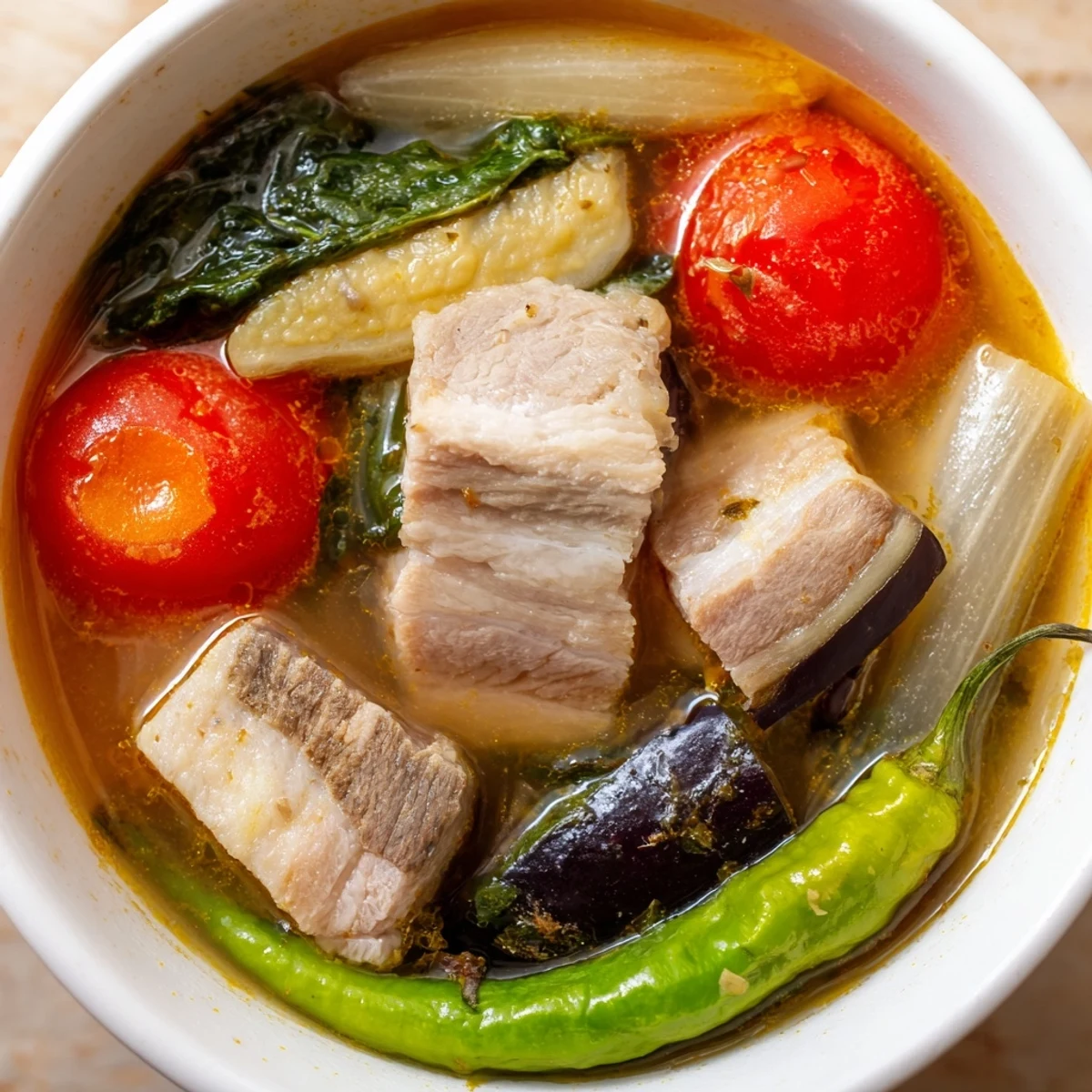
Save My daughter now asks for this whenever she's feeling under the weather, something about that sharp sour cutting through congestion while the warmth comforts everything else. Watching her blow on steaming spoonfuls takes me right back to my own childhood kitchen.
Choosing Your Protein
Pork is traditional and undeniably rich, but shrimp transforms sinigang into something lighter and more elegant. Just add them during the final five minutes so they stay sweet and tender. Fish works beautifully too—bangus (milkfish) is classic, but any firm white fish holds up well in the hot broth.
Getting That Perfect Sour Balance
Tamarind brands vary dramatically in intensity, so always start with less than you think you need. You can always add more, but you cant take it back. Some cooks also add a splash of calamansi juice or even a touch of vinegar for extra depth. The goal is sour that makes you salivate, not sour that makes you wince.
Vegetable Timing Is Everything
Learn the order of addition based on cooking time, and youll never have mushy vegetables again. Hard vegetables like radish need more time, while delicate greens should hit the pot last. Okra and taro are fantastic additions if you can find them—okra thickens the broth slightly while taro adds this subtle sweetness that plays beautifully with the sour.
- Dont overcrowd the pot when adding vegetables
- Reserve some fresh herbs like cilantro for garnish
- Keep some extra fish sauce handy at the table
 Save
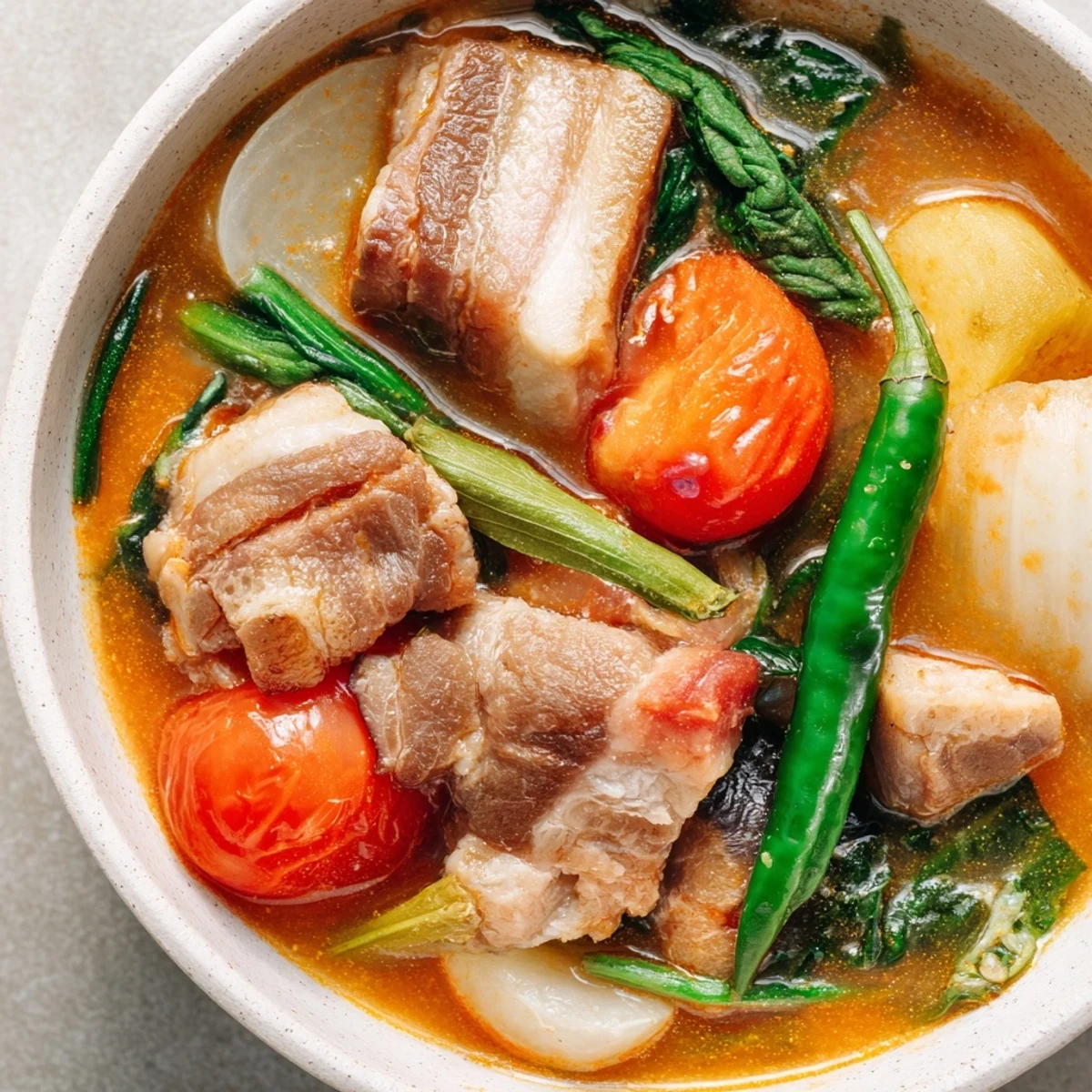
Save There's something deeply comforting about a soup that's both sour and soothing, that wakes up your senses while wrapping you in warmth. Maybe that's why sinigang has survived generations of Filipino kitchens unchanged.
Recipe FAQs
- → What makes Sinigang taste sour?
-
The signature sourness comes from tamarind, either fresh pods prepared by boiling and straining the pulp, or convenient soup base mixes. Some regional variations use other souring agents like calamansi, guava, or unripe mangoes, but tamarind remains the most traditional and widely recognized flavor profile.
- → Can I make Sinigang with other proteins?
-
Absolutely. While pork belly and ribs are traditional choices, Sinigang adapts beautifully to shrimp, fish, beef, or even chicken. Seafood versions cook more quickly—add shrimp or fish during the last 10 minutes of simmering to prevent overcooking and maintain delicate texture.
- → What vegetables go best in Sinigang?
-
Classic inclusions include daikon radish, eggplant, string beans, tomatoes, onions, and leafy greens like spinach or water spinach (kangkong). You can also incorporate okra, taro, or bok choy depending on availability. The key is adding vegetables in stages so each cooks to perfect tenderness without becoming mushy.
- → Is Sinigang spicy?
-
Traditional Sinigang isn't inherently spicy, though long green chili peppers are often added during cooking for subtle warmth. The heat remains mild and background rather than prominent. Adjust the amount of chilies or omit them entirely based on your preference—the soup's character comes from its sour-savory balance.
- → How long does Sinigang keep in the refrigerator?
-
Properly stored in an airtight container, Sinigang keeps well for 3-4 days in the refrigerator. The flavors often deepen and improve after a day. Reheat gently on the stovetop, adding a splash of water if the broth has thickened. The soup also freezes well for up to 3 months, though vegetables may soften slightly upon thawing.
- → What should I serve with Sinigang?
-
Steamed white rice is the essential accompaniment, perfect for soaking up the tangy broth. Many Filipinos enjoy Sinigang with a side of patis (fish sauce) for additional seasoning at the table. A light, crisp white wine like Sauvignon Blanc pairs beautifully, cutting through the richness while complementing the bright sour notes.