
 Save
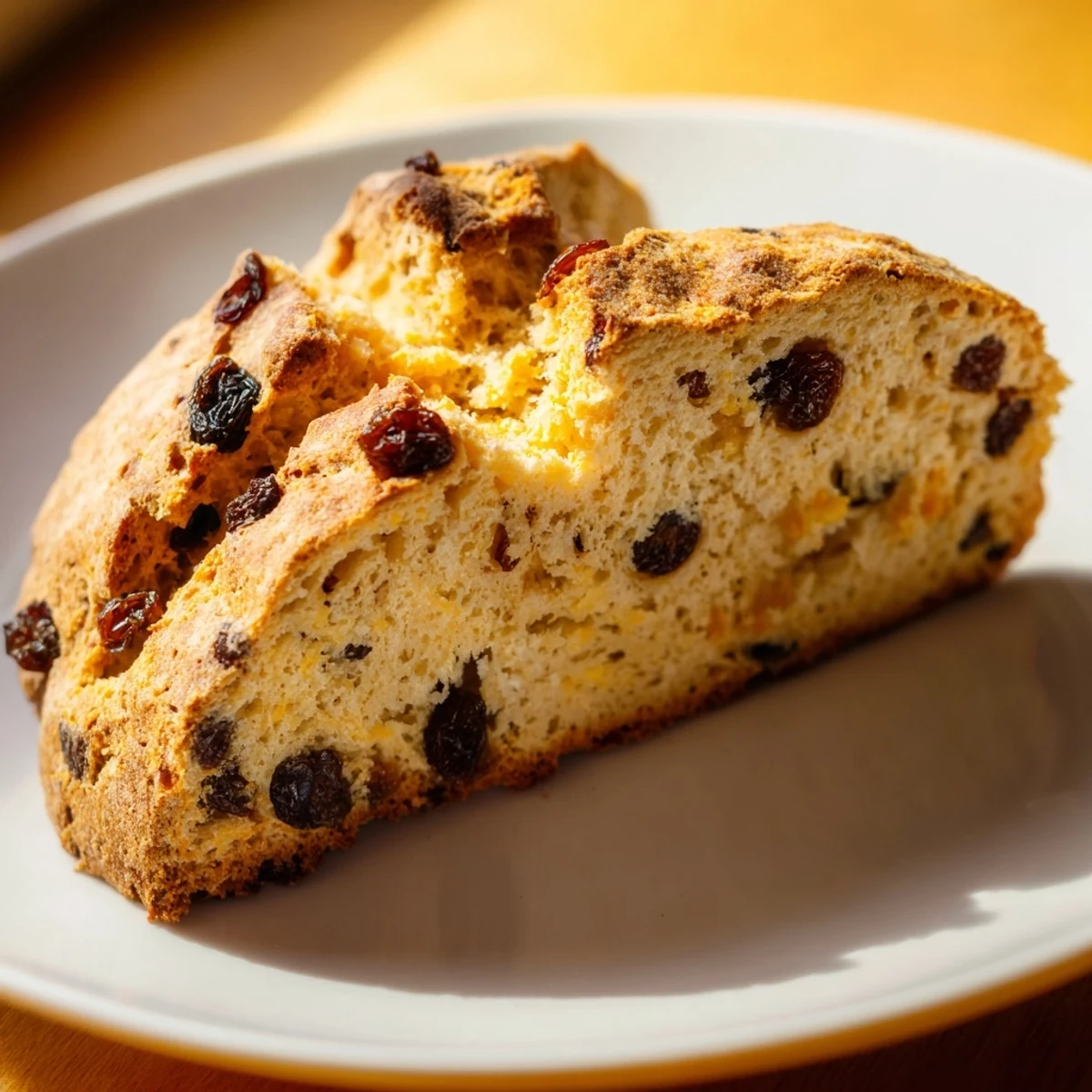
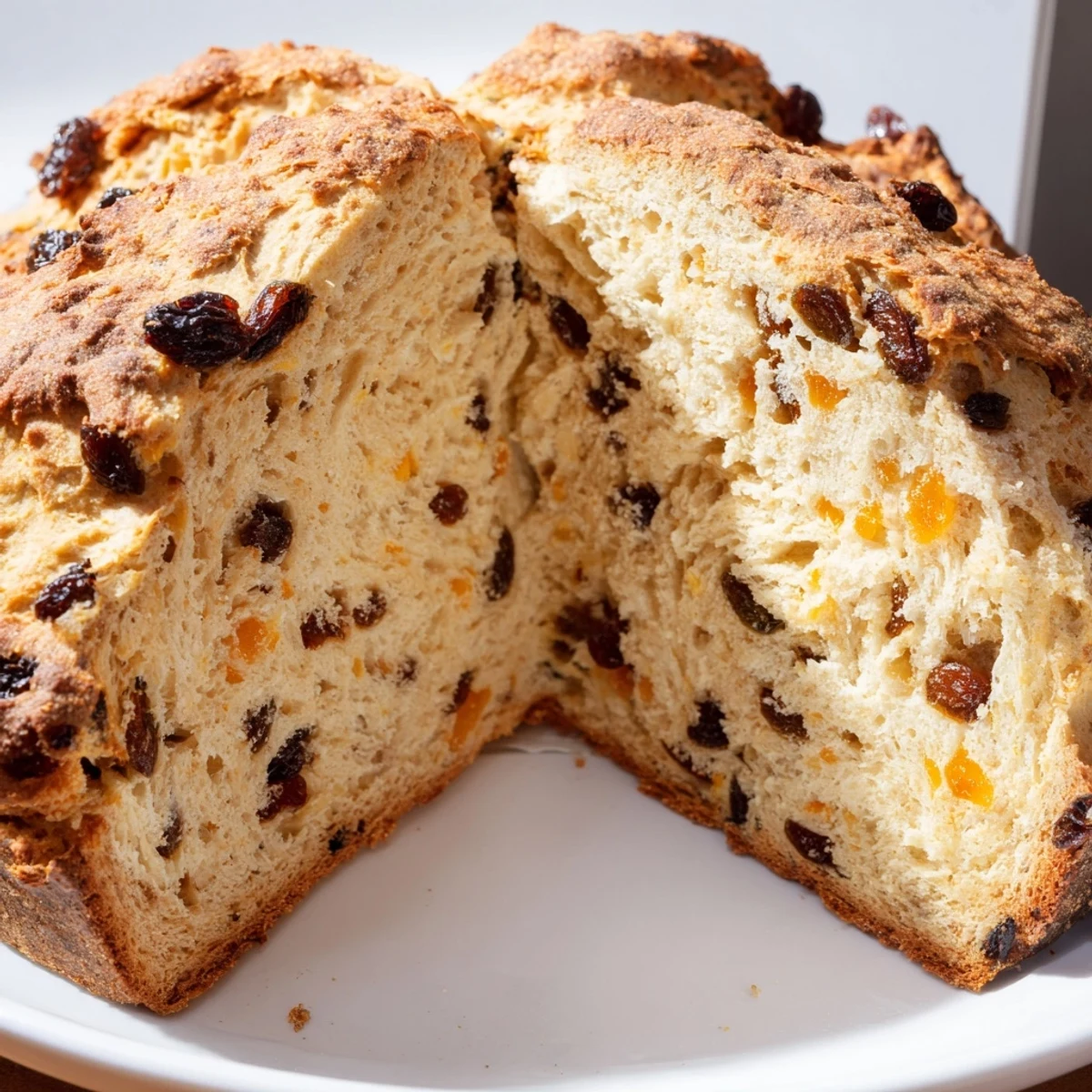
Save This Irish soda bread combines the natural sweetness of raisins with the bright citrus notes of orange zest, creating a moist and tender crumb. Using simple ingredients like buttermilk, flour, and baking soda, it offers a quick and easy baking experience. Perfectly golden with a distinctive X cut top, it pairs well with butter, honey, or marmalade. Ideal for breakfast or afternoon tea, it brings rustic charm and rich flavors to your table without fuss.
The smell of oranges being grated always pulls me back to my grandmother's tiny kitchen, where she'd insist that fresh zest was the difference between ordinary and extraordinary. I was skeptical as a teenager, standing there watching her work, but the first warm slice proved her right in ways I hadn't expected. Now I can't make this bread without taking that extra moment to zest an orange, the citrus oils perfuming the air and promising something special.
Last winter, during that terrible week when everyone in the house was sick and cabin fever had set in, I baked three loaves of this soda bread. The kitchen filled with that comforting wheaty aroma, and something about the warm, slightly sweet bread with orange essence felt medicinal in the best way. My roommate stumbled out of her room, sniffing the air, and we stood at the counter eating warm slices slathered with butter, not saying much but somehow feeling better.
Ingredients
- All-purpose flour: The foundation of the bread, providing structure and that classic tender crumb soda bread is known for
- Granulated sugar: Just enough to balance the tangy buttermilk and complement the raisins without making it dessert sweet
- Baking soda: The leavening agent that reacts with buttermilk to create the bread's characteristic rise and rustic texture
- Salt: Essential for balancing flavors and enhancing the natural wheat taste
- Buttermilk: Adds tang and moisture while activating the baking soda for proper lift
- Egg: Provides richness and helps bind the dough for a better texture
- Unsalted butter: Melted and cooled, it adds fat for tenderness and a subtle buttery flavor
- Raisins: Plump and sweet throughout the bread, adding bursts of natural sweetness in every bite
- Orange zest: The secret ingredient that brightens the entire loaf and makes it taste freshly made
Instructions
- Prepare your oven and pan:
- Preheat to 400°F with the oven rack in the center position, then line a baking sheet with parchment paper for easy cleanup
- Whisk the dry ingredients:
- Combine the flour, sugar, baking soda, and salt in a large bowl, making sure to eliminate any lumps of baking soda
- Mix the wet ingredients:
- In a separate bowl, whisk the buttermilk, egg, and melted cooled butter until completely blended
- Bring the dough together:
- Pour the wet mixture into the dry ingredients, add the raisins and orange zest, then stir with a wooden spoon just until a shaggy, rough dough forms
- Shape the loaf gently:
- Turn the dough onto a lightly floured surface and knead it just enough to bring it together into a cohesive round, about 7 inches across
- Score the top:
- Transfer to your prepared baking sheet and use a sharp knife to cut a deep X across the top, about half an inch deep
- Bake until golden:
- Bake for 35 to 40 minutes until the loaf is deeply golden and a skewer inserted in the center comes out clean
- Cool completely before slicing:
- Let the bread rest on a wire rack for at least 30 minutes, as cutting it too soon will make the texture gummy
 Save
Save This recipe became my go-to host gift after I brought a loaf to a dinner party and the host actually texted me the next morning asking for the recipe. There's something so welcoming about homemade bread, even when it's the quick and simple variety. Now whenever I need to bring something, I wrap a still-warm loaf in parchment and twine, knowing it will arrive smelling like someone cares.
Making It Your Own
While raisins and orange are classic, I've discovered that dried cranberries with lemon zest works beautifully, especially in winter when you want something tart and bright. During autumn, try swapping the raisins for chopped dried figs and adding a teaspoon of cinnamon to the dry ingredients. The recipe is forgiving enough to handle these small tweaks while still delivering that comforting soda bread texture.
Serving Suggestions
This bread shines at breakfast, toasted and spread with salted butter or your favorite jam. For afternoon tea, serve slices with clotted cream and marmalade to highlight the orange notes. It also makes an excellent bread pudding if you somehow have leftovers, transforming into something rich and custardy that barely resembles its original form.
Storage and Freezing
Soda bread is best eaten the day it's made, but it will keep for two days wrapped in a clean kitchen towel or paper bag. Plastic wrap makes the crust soft and sad, so avoid it if you can. For longer storage, slice the cooled loaf and freeze individual pieces in a freezer bag, then toast directly from frozen whenever the mood strikes.
- Revive day old bread by sprinkling it with water and warming it in a 350°F oven for 10 minutes
- If your crust seems too thick, tent the loaf with foil during the last 10 minutes of baking
- Never cut into hot bread or you'll release the steam that keeps the interior moist
 Save
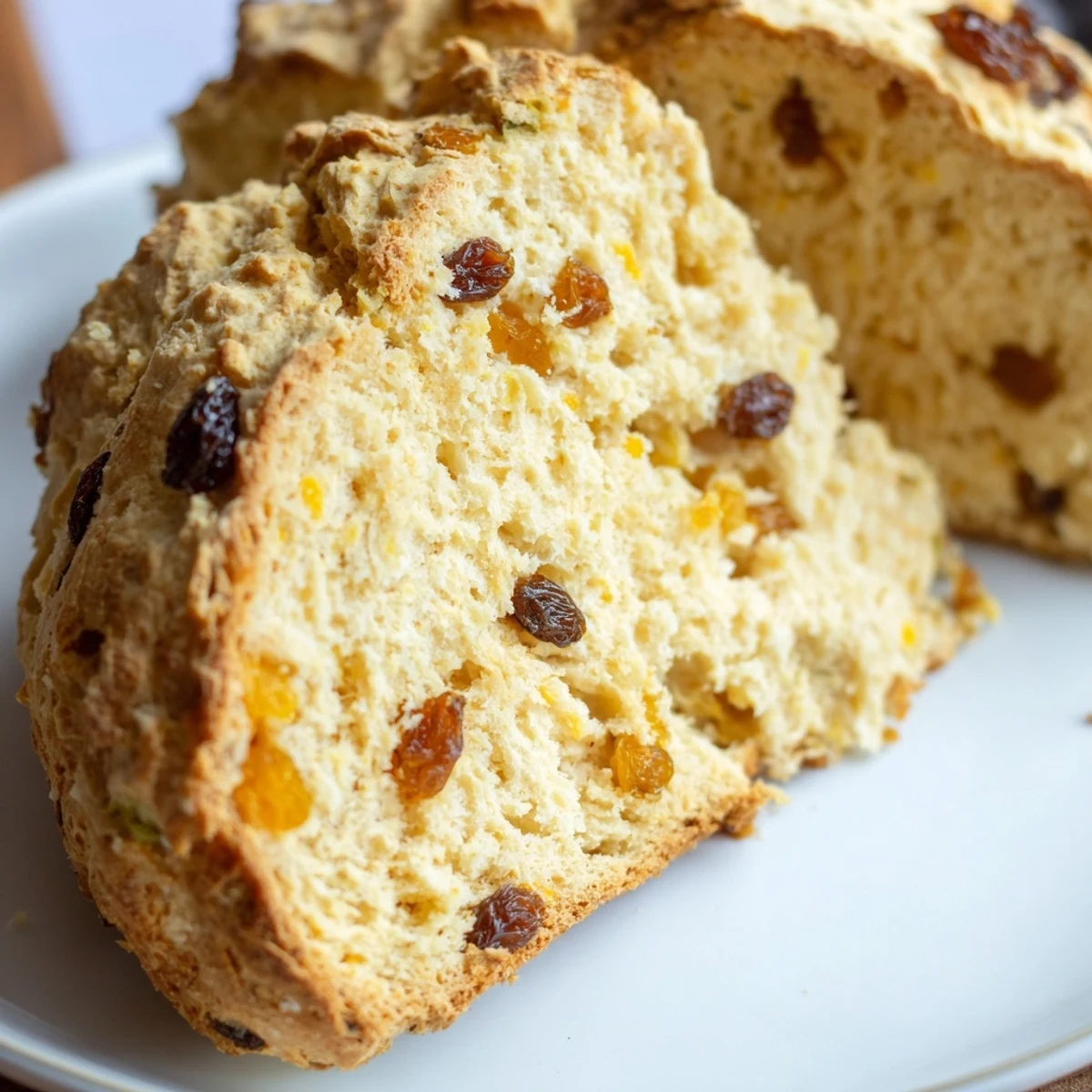
Save There's something honest and unpretentious about soda bread, a reminder that not everything good requires patience or precision. Sometimes the best things are the ones you can stir together on a Tuesday afternoon and still feel proud of when they emerge from the oven, golden and warm and ready to make someone's day a little better.
Recipe FAQs
- → What gives this bread its rise without yeast?
-
Baking soda reacts with the acidity in buttermilk to create carbon dioxide bubbles that help the bread rise quickly.
- → Can I substitute raisins with other dried fruits?
-
Yes, dried currants or chopped dried apricots make excellent alternatives while maintaining the bread’s sweet texture.
- → Why is the top scored with an X before baking?
-
The cross cut allows steam to escape, helping the bread bake evenly and producing its traditional rustic appearance.
- → How should this bread be served for best flavor?
-
Serving warm with salted butter, honey, or marmalade enhances its flavors and adds a delightful touch.
- → Is it important not to over-knead the dough?
-
Gently kneading just until combined ensures a tender texture; overworking can make the bread dense and tough.