
 Save
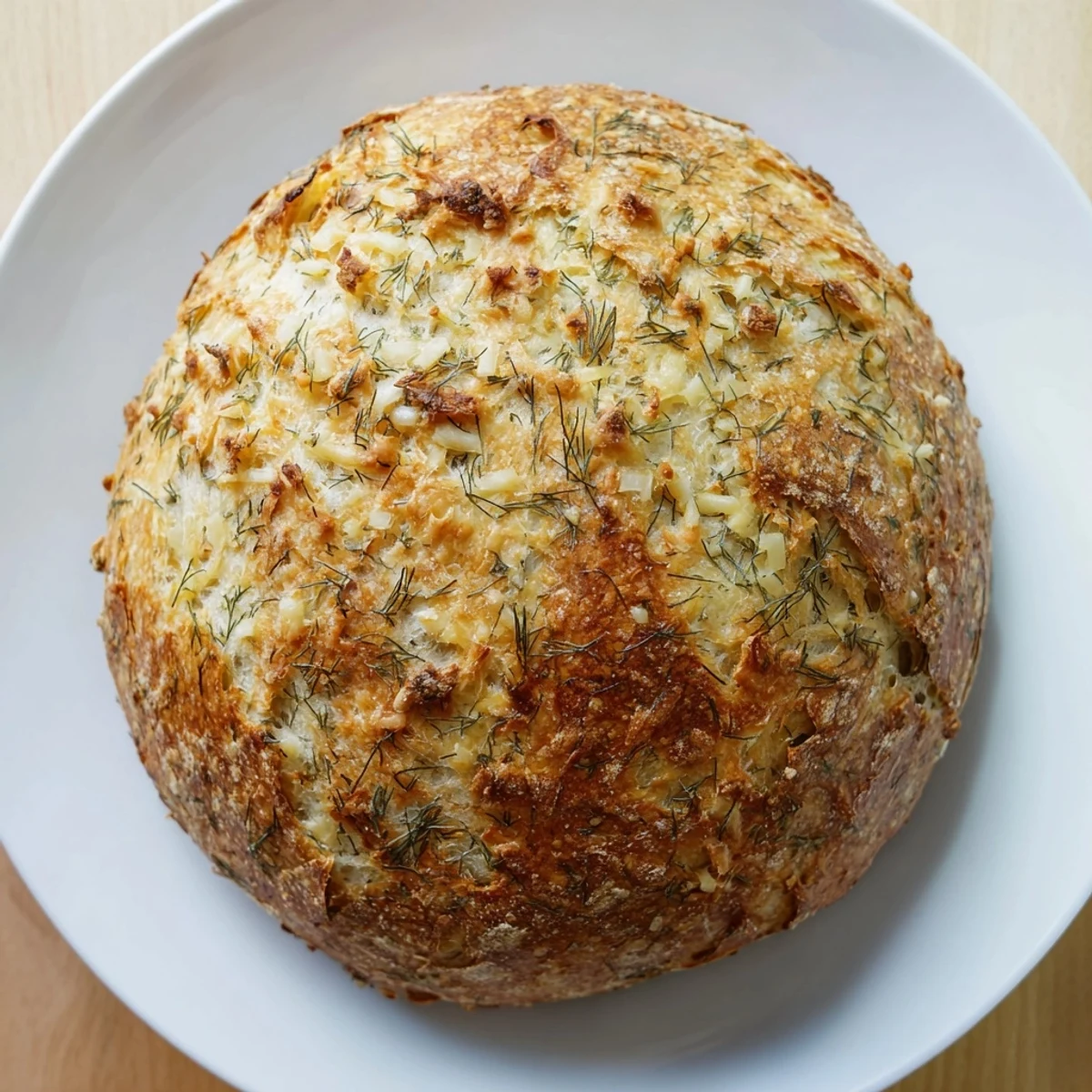
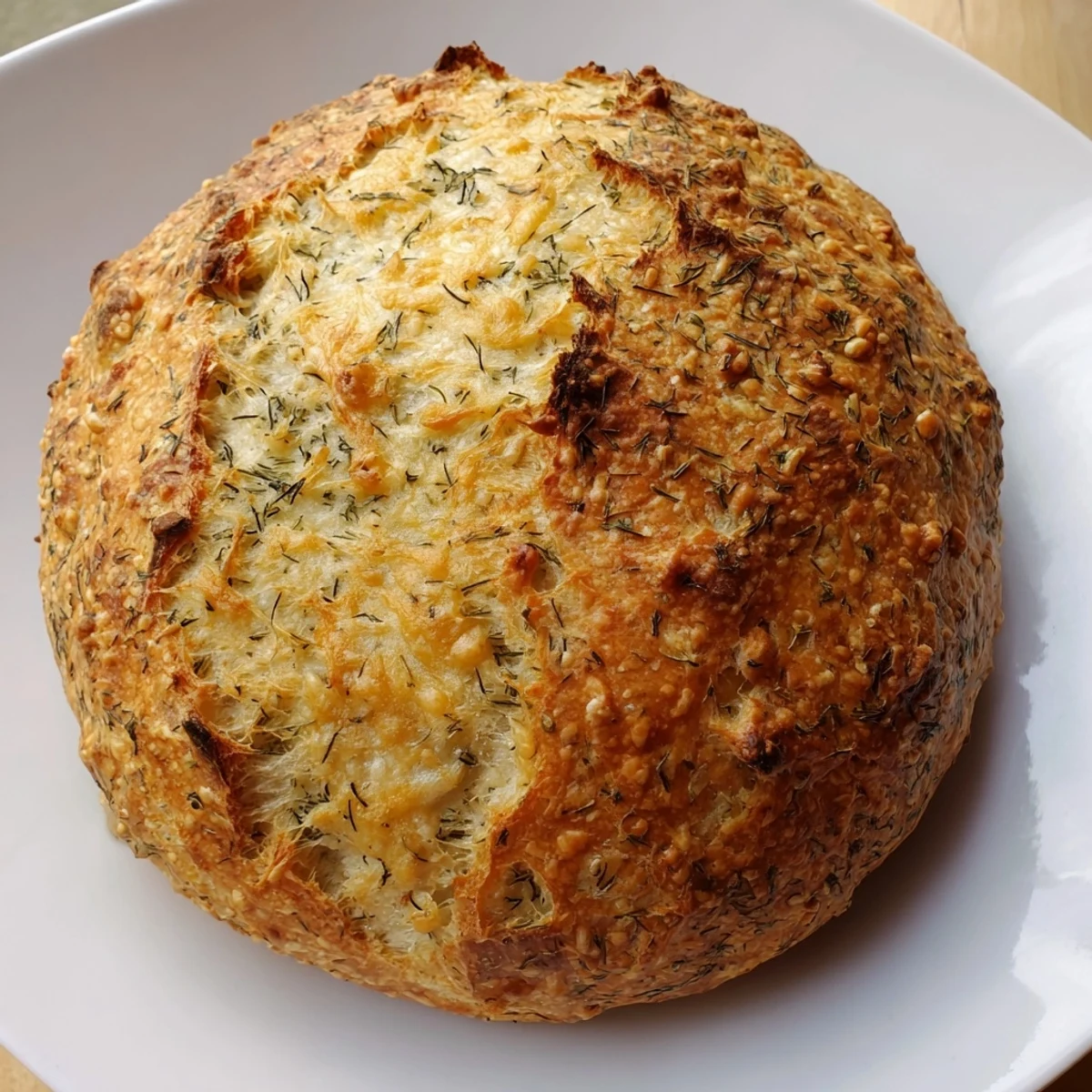
Save This rustic artisan loaf blends the creamy richness of Gouda cheese with the aromatic freshness of dill. The simple approach requires no kneading, letting the dough rest overnight to develop a bubbly, airy texture. Baking in a preheated Dutch oven creates a crisp, golden crust while maintaining a moist, tender crumb. Ideal for slicing alongside soups, salads, or sandwiches, this loaf offers an effortless yet flavorful addition to any meal. Substitutions with Emmental or Cheddar cheese add versatile taste options.
Theres something magical about waking up to a bowl of dough thats been working while you slept. This dill and Gouda combination came from a rainy Sunday when I had half a block of cheese languishing in the fridge and fresh dill threatening to wilt. The first time I pulled this loaf from the oven, the whole house smelled like an artisan bakery, and I knew this no-fuss method was going to be a weekly staple.
I served this bread at a casual dinner party alongside a hearty vegetable soup. My friend Sarah actually asked for the recipe before shed even finished her first slice. Now whenever I invite people over, someone inevitably asks if thats the dill bread is making an appearance.
Ingredients
- 3 1/4 cups bread flour: The high protein content creates that beautiful chewy texture artisan breads are known for
- 1 1/2 teaspoons salt: Enhances the cheese flavor and helps control fermentation
- 1/2 teaspoon instant yeast: A small amount works its magic over the long resting period
- 1 cup Gouda cheese: Diced or coarsely grated creates pockets of creamy richness throughout the crumb
- 2 tablespoons fresh dill: Finely chopped releases its aromatic oils beautifully into the dough
- 1 1/2 cups lukewarm water: The hydration level creates those lovely air pockets and crisp crust
Instructions
- Mix the dry base:
- Whisk together bread flour, salt, and instant yeast in a large bowl until evenly combined
- Add the flavor:
- Stir in the diced Gouda and chopped fresh dill until theyre well distributed throughout the flour mixture
- Form the dough:
- Pour in lukewarm water and mix with a wooden spoon until a shaggy, sticky dough forms
- Let it rest:
- Cover tightly and let the dough rise at room temperature for 8 to 12 hours until bubbly and doubled
- Shape gently:
- Scrape dough onto a floured surface and fold edges toward the center a few times to form a round loaf
- Second rise:
- Place seam side down on parchment paper, cover loosely, and rest for 45 to 60 minutes
- Preheat strategically:
- Heat a Dutch oven at 450°F for at least 30 minutes while the dough rises
- Bake covered:
- Transfer dough with parchment into the hot Dutch oven, cover, and bake for 30 minutes
- Crisp the crust:
- Remove the lid and bake for 15 more minutes until deeply golden brown
- Cool completely:
- Let the bread rest on a wire rack before slicing to preserve texture
 Save
Save This bread has become my go-to for housewarming gifts. People light up when they see that distinct crackly crust, and the homemade quality comes through in every bite. Theres something deeply personal about sharing bread youve made with your own hands.
Cheese Variations That Work
While Gouda creates a lovely mellow flavor, Ive experimented with several other cheeses. Emmental adds a nuttier sweetness, while aged Cheddar brings a sharper bite that stands up to the dill. Soft cheeses like goat cheese tend to disappear into the dough, so stick with firmer varieties that hold their shape during baking.
Timing Your Bake
I usually mix the dough before bed so it can develop overnight. Theres nothing quite like the smell of fresh bread in the morning, especially when it requires zero effort from sleepy me. If youre an evening baker, mix in the morning before work and bake when you get home.
Serving Suggestions
This bread shines alongside soups and salads, where its robust texture can hold up to broths and dressings. Toasted slices make an excellent base for avocado or a hearty layer of salted butter.
- Freeze extra loaves wrapped tightly in foil and thaw at room temperature
- The crust softens after a day but recrisps beautifully in a 350°F oven for 10 minutes
- Leftovers make exceptional croutons for your next soup or salad
 Save
Save Every time I pull this bread from the oven, I remember why I fell in love with baking. Simple ingredients, minimal effort, maximum reward.
Recipe FAQs
- → How does the no-knead method work?
-
The dough rests for 8–12 hours to develop gluten naturally, creating a bubbly texture without kneading effort.
- → Can I substitute Gouda cheese?
-
Yes, Emmental or mild Cheddar are great alternatives that provide different but complementary flavors.
- → Why use a Dutch oven for baking?
-
A preheated Dutch oven traps steam, helping to form a crisp, golden crust while baking the loaf evenly.
- → How should I store the baked loaf?
-
Store in a paper bag at room temperature for up to 2 days or freeze for longer preservation.
- → What is the texture of this loaf?
-
The bread features a crusty exterior and a soft, airy crumb enriched with cheese and herb flavors.