 Save
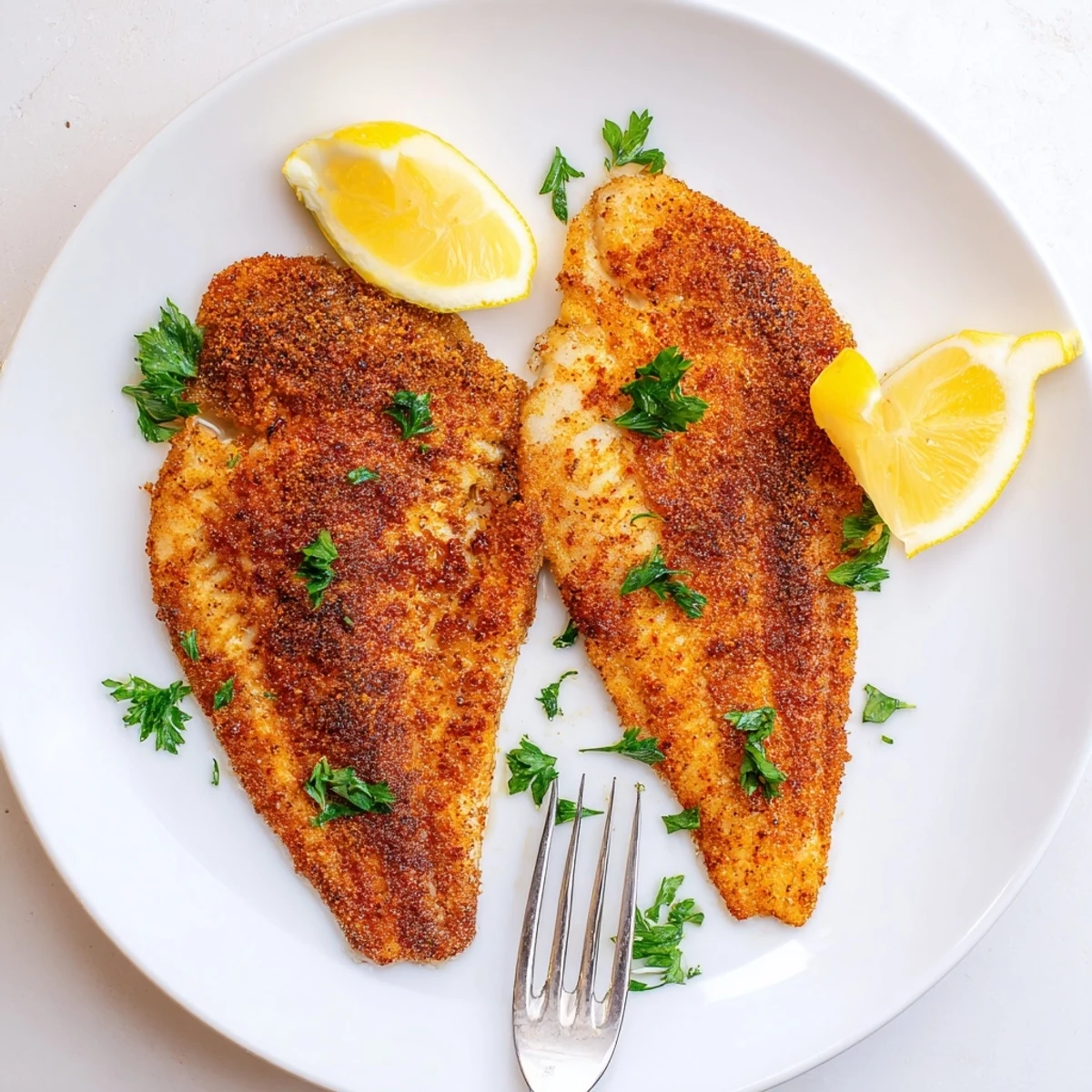
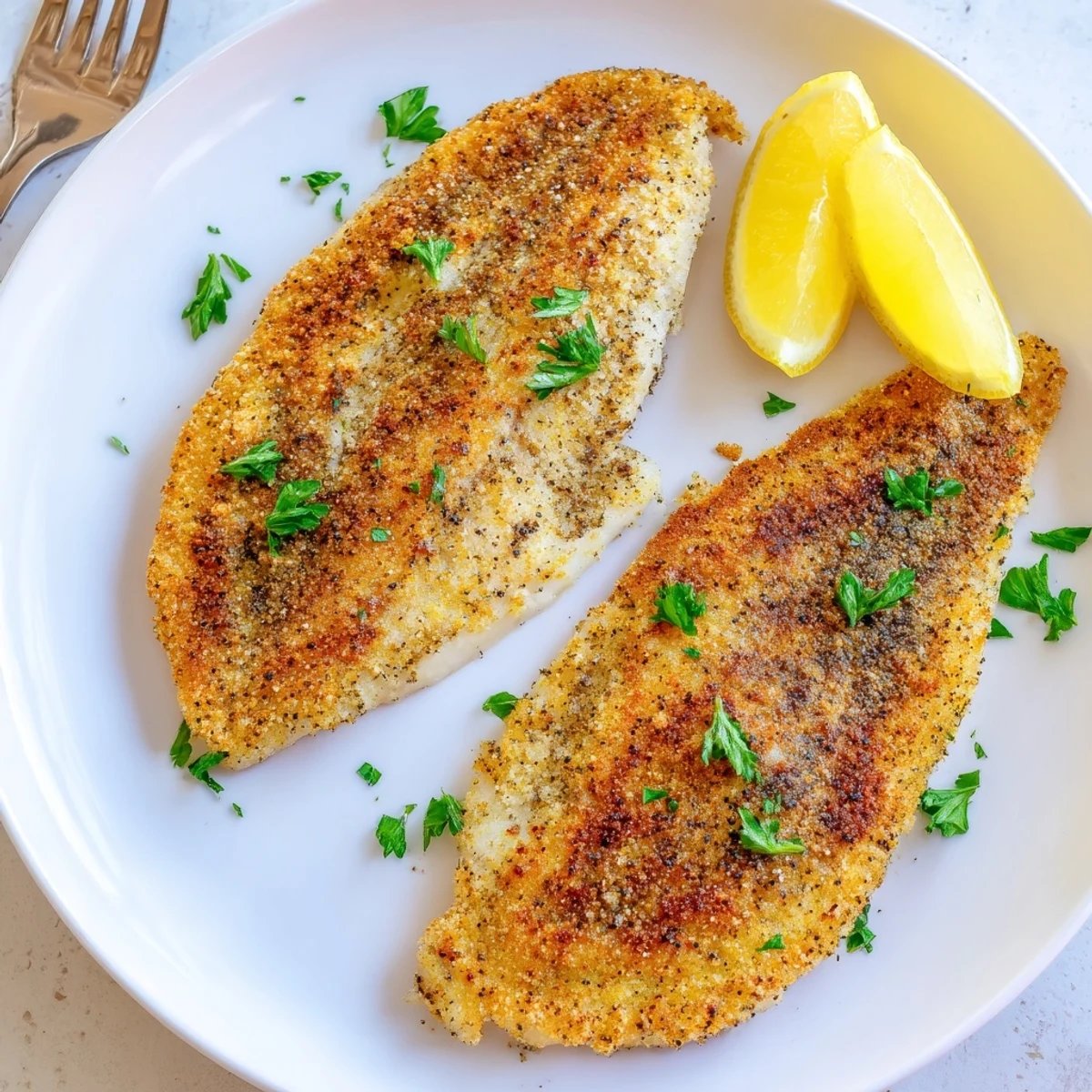
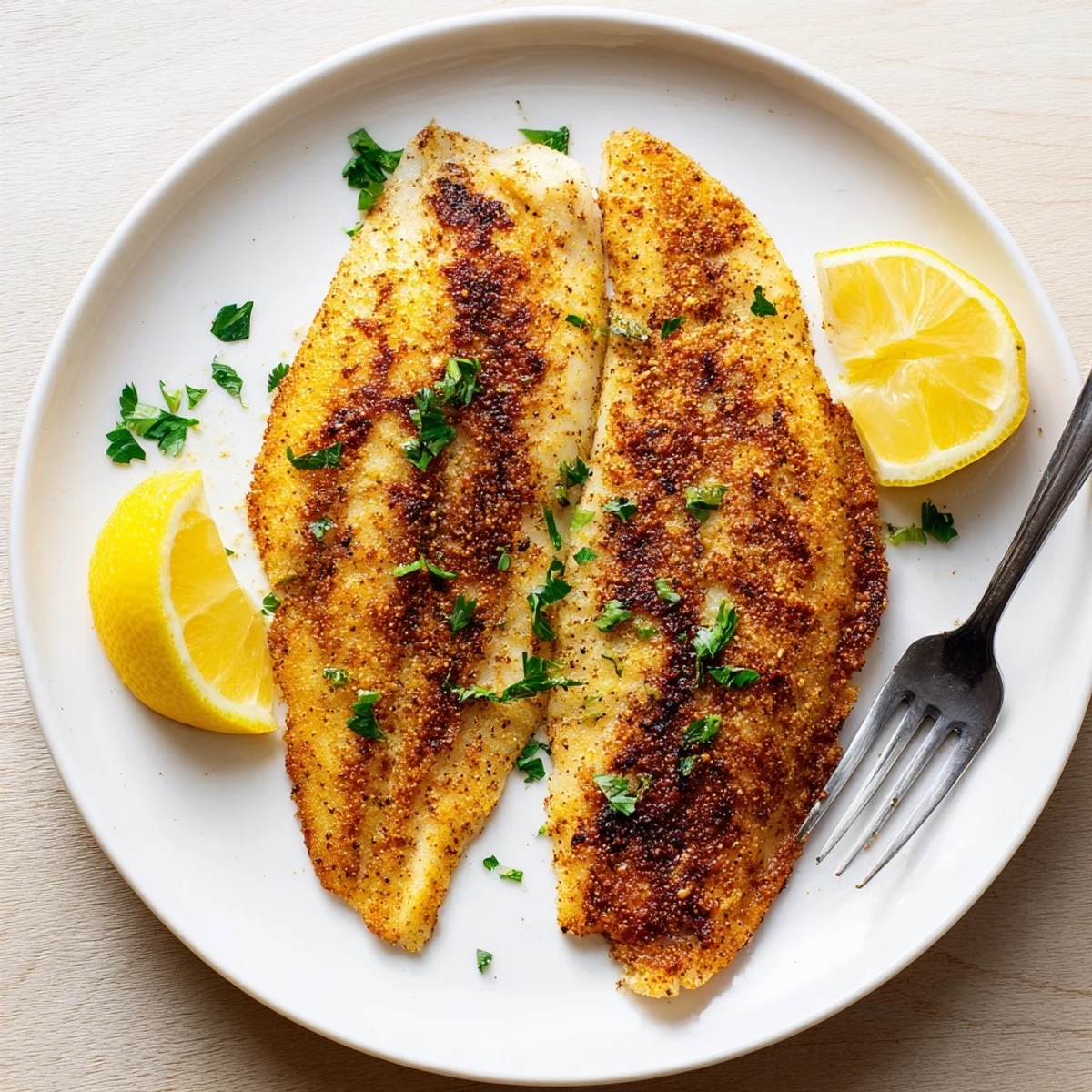
Save This pan fried tilapia delivers perfectly golden, crispy fillets in just 20 minutes from start to finish. Mild tilapia is seasoned with a simple blend of salt, pepper, paprika, and garlic powder, then lightly dredged in flour before being seared in a combination of olive oil and butter.
The result is a light, flaky fish with a satisfying crunch on the outside and tender, moist flesh inside. Served with a squeeze of fresh lemon and chopped parsley, this dish pairs beautifully with steamed vegetables, rice, or a crisp green salad for a complete meal.
There is something deeply satisfying about the sizzle of fish hitting a hot pan, that sharp crackling sound that tells you dinner is about to be effortless and delicious. My relationship with tilapia started during a sweltering July when the idea of turning on the oven felt unbearable, and a simple skillet dinner became my nightly ritual. This pan fried tilapia recipe is the one that saved me from takeout menus and sad desk lunches alike.
One evening my neighbor knocked on the door to return a borrowed casserole dish right as the butter was browning in the skillet, and she stood in the kitchen doorway sniffing the air like a cartoon character floating toward a pie. I ended up plating her a fillet on the spot with a squeeze of lemon, and now she texts me every Friday asking if I am making fish again.
Ingredients
- 4 tilapia fillets (about 150g each): Look for fillets that are uniform in thickness so they cook evenly without the thin end drying out.
- 1 teaspoon salt: Seasoning both sides generously is what separates bland fish from restaurant quality fish.
- 1/2 teaspoon ground black pepper: Freshly cracked pepper adds a gentle warmth that pre-ground simply cannot match.
- 1/2 teaspoon paprika (optional): This gives the fillets a lovely warm color and a whisper of smokiness.
- 1/2 teaspoon garlic powder: Garlic powder clings to the flour coating better than fresh garlic and burns less easily in a hot pan.
- 1/4 cup gluten-free flour or all-purpose flour: A light dredge is all you need to create that crispy skin without turning it into a heavy batter.
- 2 tablespoons olive oil: Olive oil raises the smoke point so the butter does not burn.
- 1 tablespoon unsalted butter: Butter is the flavor secret here, browning slightly and coating the fish in richness.
- 2 tablespoons fresh parsley, chopped: Fresh parsley at the end brightens everything up and makes the plate look intentionally beautiful.
- 1 lemon, cut into wedges: A final squeeze of lemon cuts through the richness and wakes up every bite.
Instructions
- Dry and season the fish:
- Pat each tilapia fillet thoroughly with paper towels until the surface is completely dry, then sprinkle salt, pepper, paprika, and garlic powder evenly on both sides.
- Coat lightly in flour:
- Spread the flour on a shallow plate and press each fillet gently into it, flipping once and shaking off any excess so only a thin, even layer remains.
- Heat the pan:
- Set a large non-stick skillet over medium-high heat and add the olive oil and butter, letting the butter melt and foam until it just starts to smell nutty.
- Cook the fillets:
- Lay the fillets in the pan without crowding, cooking in batches if needed, and let them sit undisturbed for 3 to 4 minutes until the edges turn golden before flipping once.
- Drain and rest:
- Transfer the cooked fillets to a plate lined with fresh paper towels to catch any lingering oil and let them rest for a minute so the crust sets.
- Finish and serve:
- Scatter chopped parsley over the top and serve immediately with lemon wedges pressed alongside so everyone can add their own bright squeeze.
 Save
Save The night my daughter asked for seconds and then thirds of this tilapia, I realized that simple food cooked with care will always beat a complicated recipe that leaves you exhausted at the stove.
Choosing Your Best Fish
Fresh tilapia should smell clean, almost like nothing at all, and the flesh should feel firm when pressed with a finger. Frozen fillets work beautifully too if you thaw them overnight in the refrigerator rather than rushing them under warm water, which turns the texture mushy and uneven.
What to Serve Alongside
A pile of simply steamed green beans or a tomato and cucumber salad with a vinaigrette is really all this meal needs to feel complete. I have also served it over a bed of fluffy white rice on nights when hunger levels demanded something more filling, and it works perfectly every time.
Making It Your Own
Once you have the basic technique down this recipe becomes a canvas for whatever flavors you are craving. Here are a few ways I have mixed things up over the years.
- A pinch of cayenne in the seasoning blend gives a subtle heat that builds with each bite.
- Cod or sole fillets swap in seamlessly if tilapia is not available at your store.
- A glass of crisp Sauvignon Blanc alongside turns a random weeknight into something that feels deliberate and special.
 Save
Save Keep this recipe in your back pocket for the nights when cooking feels like a chore and you will be surprised how often it becomes the meal you actually crave.
Recipe FAQs
- → How do I know when tilapia is fully cooked?
-
Tilapia is done when it turns opaque white throughout and flakes easily when tested with a fork. The internal temperature should reach 145°F (63°C). Overcooked tilapia becomes dry and rubbery, so remove it from the heat as soon as it flakes.
- → Can I use frozen tilapia fillets?
-
Yes, but thaw them completely in the refrigerator overnight or under cold running water before cooking. Pat the fillets very dry with paper towels before seasoning and dredging to ensure proper browning and crispiness.
- → What's the best flour substitute for gluten-free needs?
-
Cornmeal, almond flour, or a gluten-free all-purpose blend all work well as dredging alternatives. Cornmeal adds a pleasant crunch, while almond flour creates a lighter, nuttier coating. Rice flour is another excellent option for a crisp texture.
- → Why use both olive oil and butter for pan frying?
-
Olive oil has a higher smoke point and prevents the butter from burning, while butter adds rich flavor and helps achieve a beautiful golden-brown crust. Together they create the ideal cooking environment for delicate fish fillets.
- → What sides go well with pan fried tilapia?
-
Light sides complement this dish perfectly. Try steamed asparagus or green beans, a fresh garden salad with vinaigrette, lemon-herb rice, roasted cherry tomatoes, or garlic mashed cauliflower. A crisp Sauvignon Blanc pairs beautifully as a beverage.
- → Can I substitute tilapia with other white fish?
-
Cod, sole, flounder, and catfish are all excellent substitutes with similar cooking times. Thicker fillets like cod may need an extra minute per side. Adjust seasoning to taste since some fish have stronger flavors than mild tilapia.