 Save
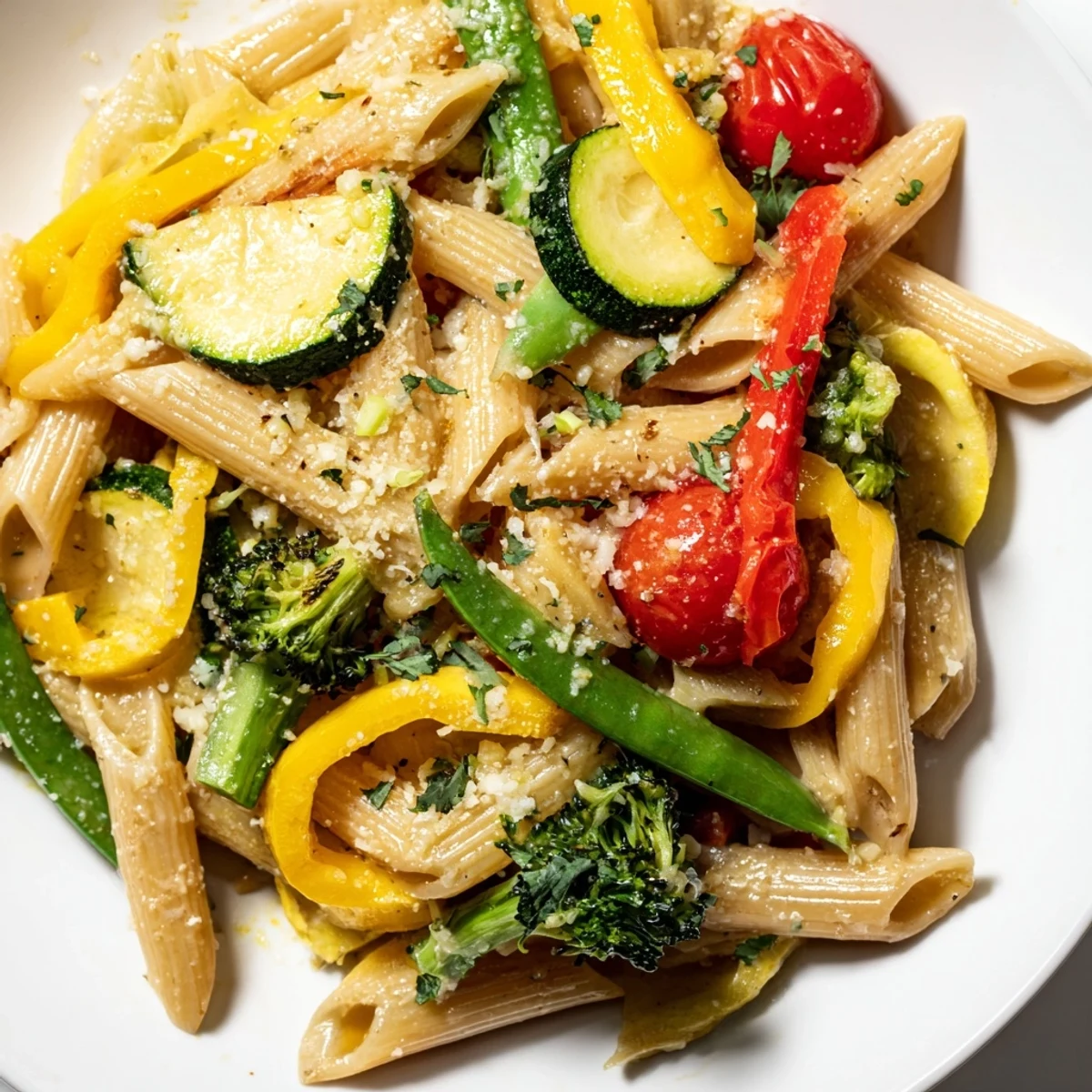
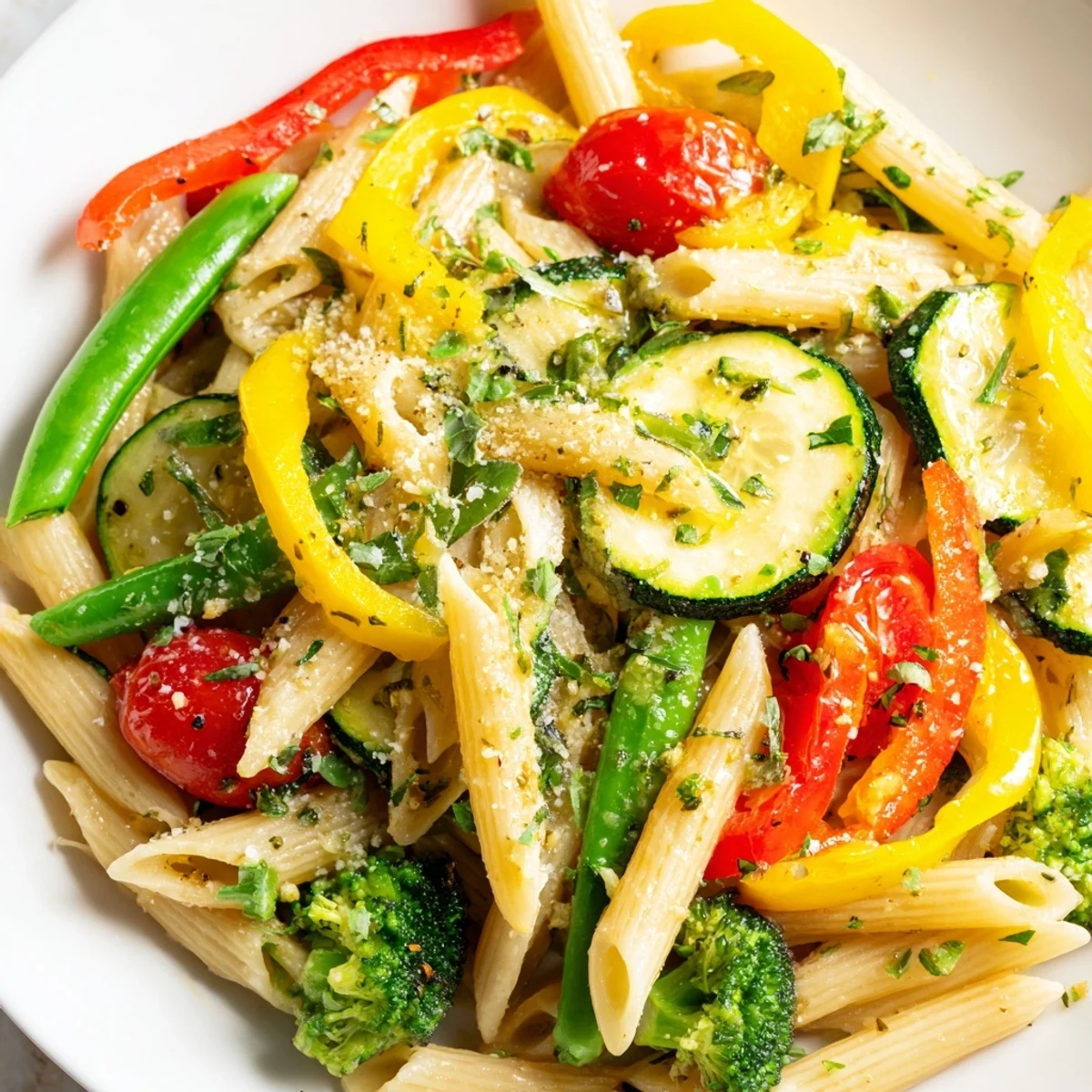
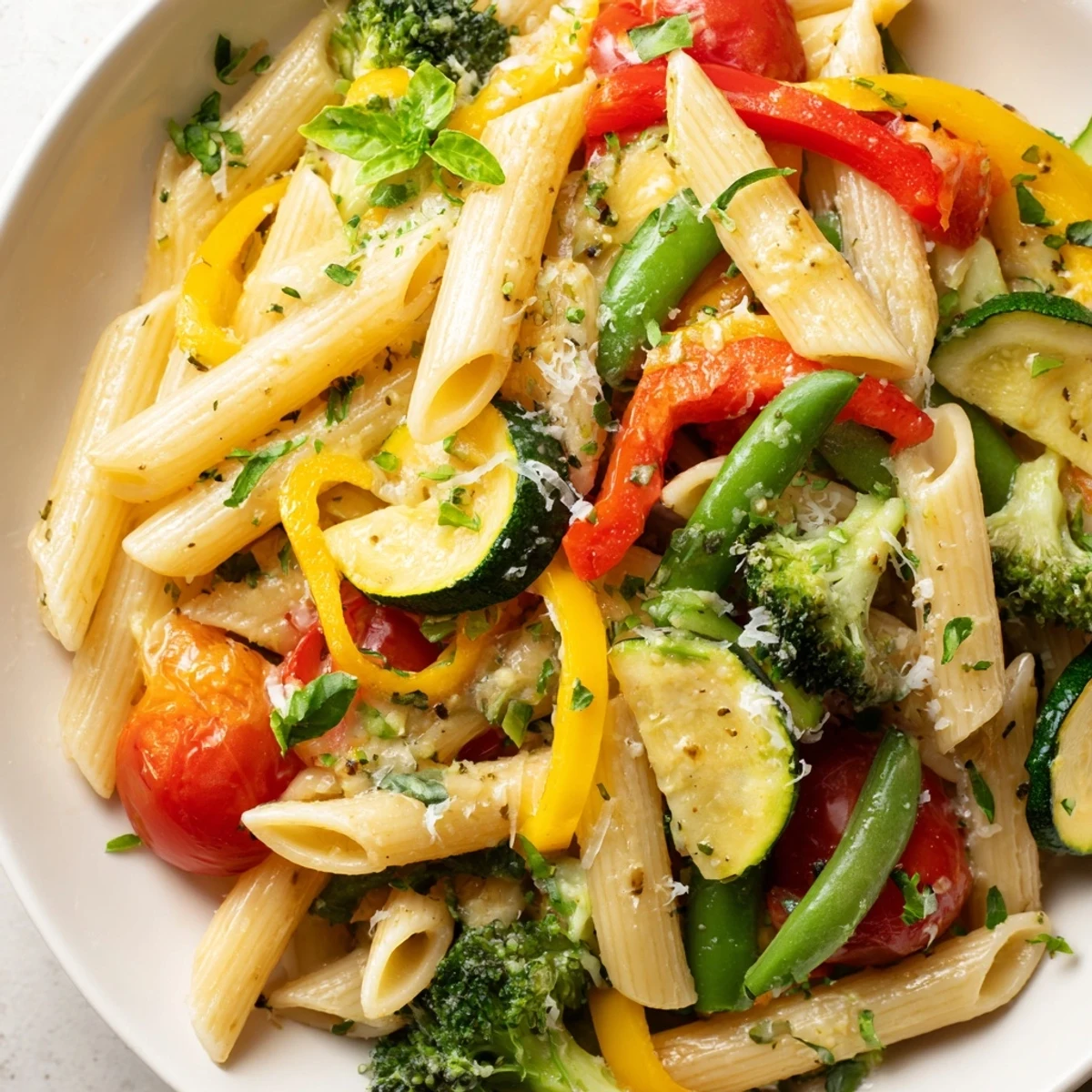
Save This Italian-inspired pasta dish celebrates spring vegetables at their peak. Al dente penne or spaghetti joins tender zucchini, yellow squash, bell peppers, broccoli, cherry tomatoes, and sugar snap peas in a fragrant garlic and olive oil sauce brightened with fresh lemon juice.
The preparation comes together in just 40 minutes, making it perfect for weeknight dinners or casual entertaining. A splash of vegetable broth creates a silky light sauce that coats each strand of pasta, while freshly grated Parmesan adds savory depth.
Finish with generous handfuls of chopped basil and parsley for an aromatic, colorful presentation that brings the taste of Mediterranean spring to your table.
The first time I made pasta primavera, I went completely overboard with every vegetable I could find at the farmers market. The dish ended up taking hours, and honestly, it was a bit of a mess. But I learned something valuable that day about restraint and timing.
Last spring, my neighbor dropped off a basket of vegetables from her garden and I knew exactly what to make. We ate on her back porch as the sun went down, and somehow the simple combination of pasta and fresh vegetables felt like the most luxurious dinner in the world.
Ingredients
- 400 g penne or spaghetti: The shape really matters here because the sauce clings to every ridged surface
- 1 small zucchini, sliced: Do not slice too thin or they will disappear into the pasta
- 1 small yellow squash, sliced: Keeps its texture better when cut into slightly thicker rounds
- 1 red bell pepper, julienned: The sweetness balances nicely with the lemon
- 1 cup cherry tomatoes, halved: These burst slightly and create little pockets of juice
- 1 cup sugar snap peas: They add the most satisfying crunch in every bite
- 1 cup broccoli florets: Cut them small so they cook at the same rate as everything else
- 3 tablespoons extra virgin olive oil: This is the base so use the good stuff
- 3 cloves garlic, minced: Let it sizzle gently until fragrant but not brown
- 1/2 teaspoon crushed red pepper flakes: Optional but adds a gentle warmth that ties everything together
- 1/2 cup vegetable broth: Creates a silky light coating instead of heavy cream
- Juice of 1 lemon: Brightens the whole dish and cuts through the olive oil
- 1/4 cup grated Parmesan: Plus more for serving because everyone loves extra
- Salt and pepper: Taste as you go and adjust at the end
- 2 tablespoons fresh basil: Tear the leaves by hand for more aromatic release
- 2 tablespoons fresh parsley: Adds a fresh grassy note at the very end
Instructions
- Get your pasta water going:
- Bring a large pot of salted water to a boil and cook the pasta until al dente. Drain but save that half cup of pasta water because it is liquid gold.
- Warm the aromatics:
- Heat olive oil in a large skillet over medium heat. Add garlic and red pepper flakes and let them sizzle for one minute until the kitchen starts smelling amazing.
- Start the harder vegetables:
- Add zucchini, squash, bell pepper, and broccoli. Sauté for 4 to 5 minutes until they are just tender but still have some bite.
- Add the quick cooks:
- Toss in cherry tomatoes and sugar snap peas. These only need 2 to 3 minutes to stay bright and snappy.
- Create the sauce:
- Pour in vegetable broth and lemon juice. Let everything simmer together for 2 minutes and season with salt and pepper.
- Bring it all together:
- Add the pasta to the skillet with Parmesan and a splash of pasta water if it needs loosening. Toss everything until the sauce coats each piece of pasta.
- Finish with fresh herbs:
- Stir in basil and parsley right at the end. Taste one more time and adjust the seasoning before serving.
- Serve it up:
- Plate the pasta immediately and pass extra Parmesan around the table. The aromas alone will have everyone leaning in.
 Save
Save My daughter now requests this for her birthday dinner every year. Something about the colorful vegetables and light sauce feels like a celebration on a plate.
Making It Your Own
The beauty of this recipe is that you can swap in whatever vegetables look best at the market. Asparagus works beautifully in spring, and eggplant takes on a lovely smoky flavor when you add it to the mix.
Timing Is Everything
I have learned the hard way that prep work matters here. Get all your vegetables sliced and ready before you turn on the stove. Once the cooking starts, it moves fast and you do not want to be fumbling with a knife while the garlic is sizzling.
Leftovers Worth Having
This actually keeps well for lunch the next day, unlike many pasta dishes. The vegetables stay firm and the flavors develop even more overnight.
- Store in an airtight container for up to three days
- Add a splash of water or olive oil when reheating
- Serve cold as a pasta salad in summer months
 Save
Save Simple food done well is what cooking is all about. This pasta primavera proves that fresh ingredients and a little care go a long way.
Recipe FAQs
- → What vegetables work best in pasta primavera?
-
Spring vegetables like zucchini, yellow squash, bell peppers, broccoli florets, cherry tomatoes, and sugar snap peas are ideal. They maintain their texture and vibrant color when lightly sautéed, creating a beautiful medley that complements the pasta perfectly.
- → How do you prevent the vegetables from becoming mushy?
-
Cook vegetables in stages, starting with firmer ones like broccoli and bell peppers, then adding quick-cooking vegetables like cherry tomatoes and snap peas last. Sauté just until tender-crisp to preserve their fresh texture and bright colors in the finished dish.
- → Can pasta primavera be made ahead?
-
While best served immediately, you can prepare the vegetables and sauce components ahead. Reheat gently in a skillet, adding a splash of pasta water or broth to loosen the sauce before tossing with freshly cooked pasta and herbs.
- → What type of pasta pairs well with this dish?
-
Penne, spaghetti, or fusilli work beautifully—their shapes capture the light sauce and small vegetable pieces. Choose high-quality durum wheat pasta for the best texture and ability to hold up when tossed with the vegetables.
- → How can you add more protein to this vegetarian dish?
-
Stir in cooked chickpeas or white beans during the final minutes, add grilled chicken strips, or top with crumbled goat cheese. The vegetables already provide fiber and nutrients, while extra protein makes it a more substantial main course.
- → What wine complements pasta primavera?
-
A crisp Pinot Grigio or Sauvignon Blanc pairs beautifully, their acidity complementing the fresh vegetables and light olive oil sauce. The wine's brightness enhances the lemon and herbs without overpowering the delicate spring flavors.