 Save
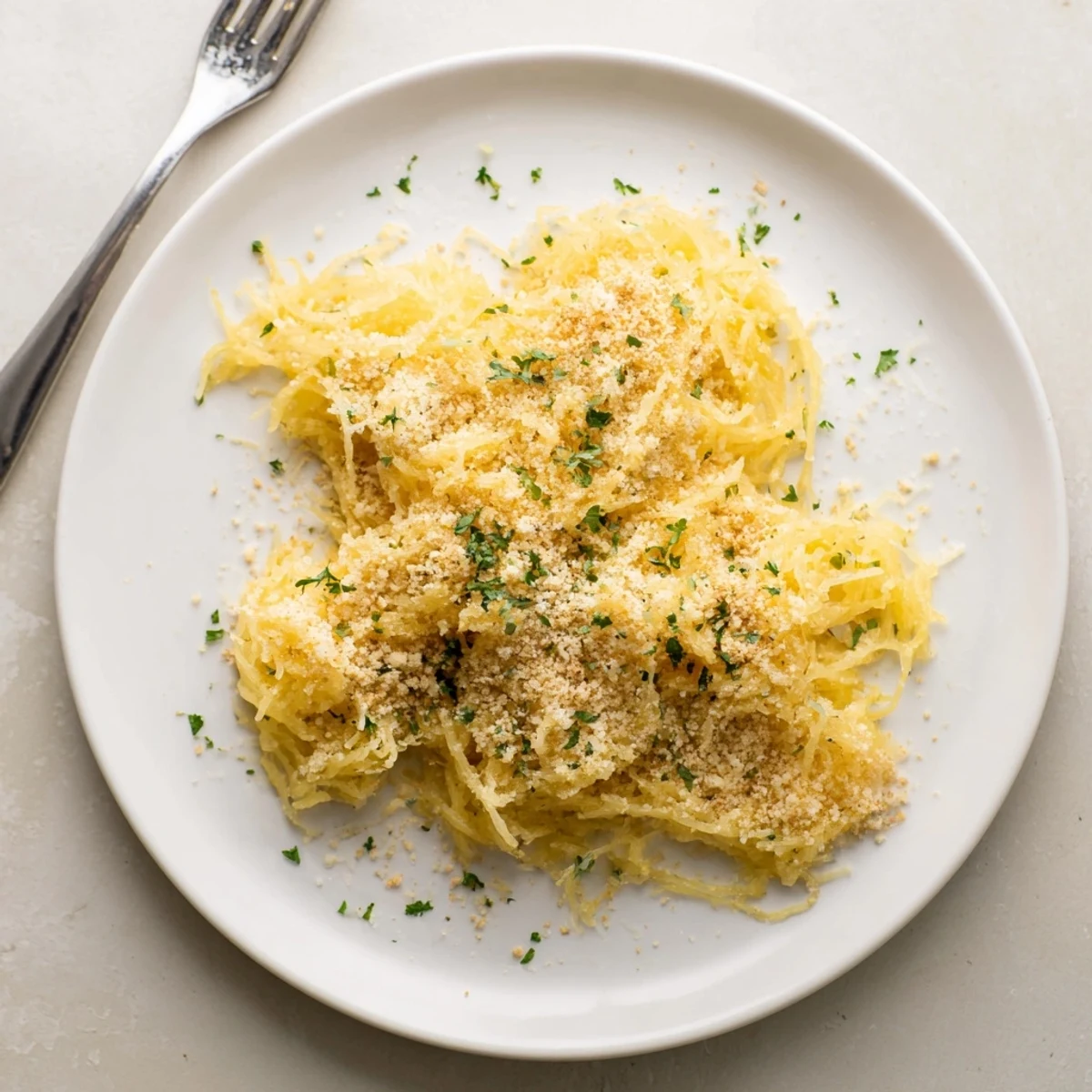
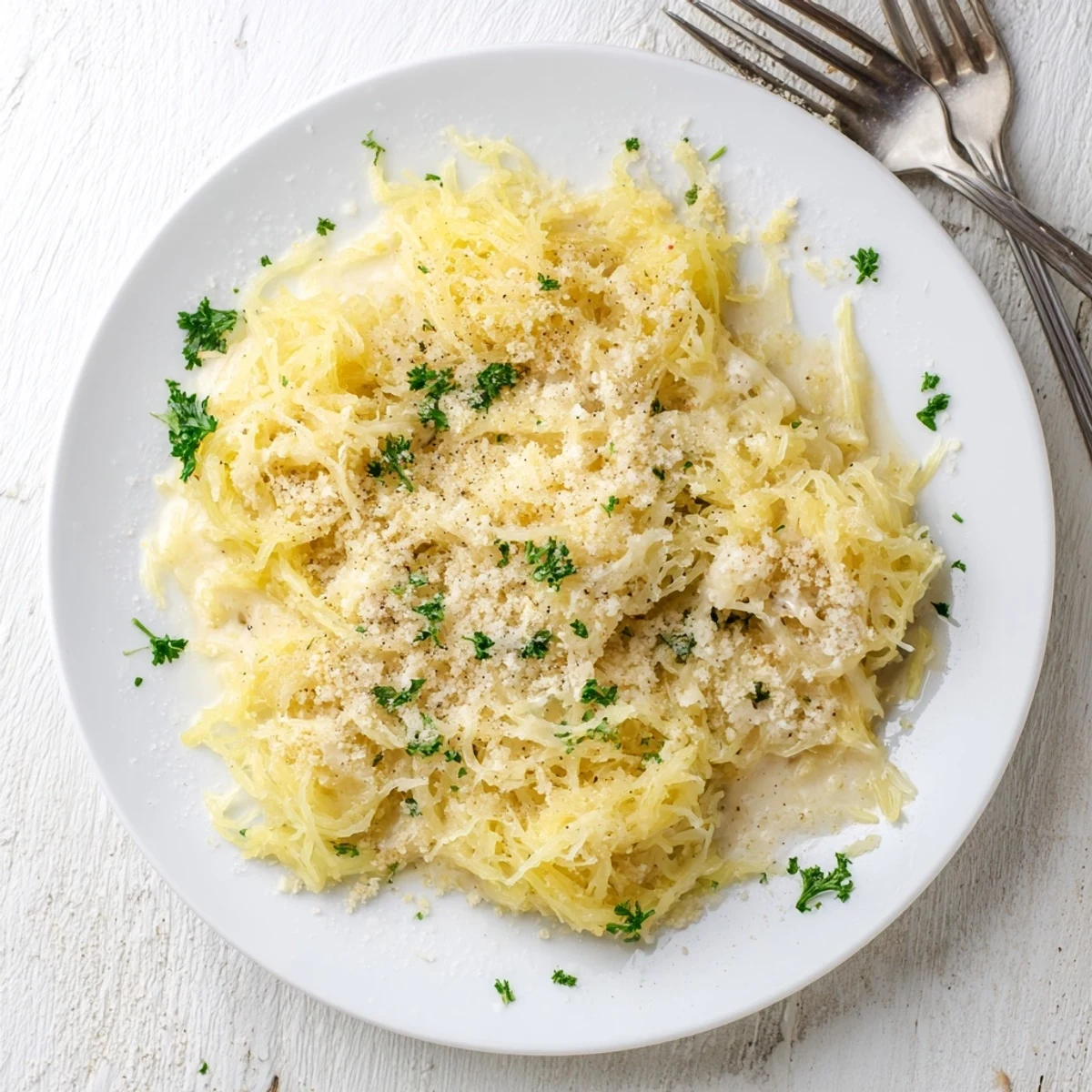
Save Roasted spaghetti squash strands replace traditional pasta in this comforting, creamy dish. The vegetable base creates tender, spaghetti-like strands that pair perfectly with a homemade cheese sauce featuring sharp cheddar and optional Gruyère. A simple roux-based sauce infused with Dijon mustard, garlic, and onion powder delivers rich flavor without overwhelming the delicate squash. The dish comes together in about an hour, with the squash roasting while you prepare the sauce. Optional breadcrumb and Parmesan topping adds satisfying crunch. This naturally gluten-free, low-carb version fits various dietary needs while maintaining the soul-warming essence of the original comfort classic.
The knife resisted, then gave way with a satisfying crack, and suddenly I was staring at the pale golden interior of my first spaghetti squash, wondering if this vegetable could really pass for pasta. My sister had bet me twenty dollars it would taste like sadness and disappointment. She lost that bet, and I gained one of the most requested dinners in my household, a bubbling, cheesy dish that makes everyone forget they are eating something that grew on a vine.
I made this on a rainy Tuesday when the fridge was nearly empty and motivation was even scarcer. My partner wandered into the kitchen just as the Gruyre was melting into the sauce, stopped mid sentence, and simply said that smells like a real meal. We ate it straight from the baking dish, no plates, standing at the counter, which honestly might be the best way.
Ingredients
- 1 medium spaghetti squash (about 1.2 kg): The star of the show, look for one that feels heavy for its size with a firm, unblemished skin.
- 2 tablespoons unsalted butter: The foundation of your roux, go for good quality butter because you will taste the difference.
- 2 tablespoons gluten free all purpose flour: This thickens the sauce into something velvety rather than soupy.
- 1 and 1/2 cups whole milk: Whole milk is nonnegotiable here, anything lower in fat leaves the sauce thin and vaguely sad.
- 1 teaspoon Dijon mustard: A quiet secret that amplifies the cheesiness without making anything taste like mustard.
- 1/2 teaspoon garlic powder and 1/2 teaspoon onion powder: These background notes add depth without overpowering the delicate squash flavor.
- 1/2 teaspoon salt and 1/4 teaspoon black pepper: Seasoning essentials that bring the whole sauce to life.
- 1 and 1/2 cups sharp cheddar cheese, shredded: Shred it yourself from a block for the smoothest melt.
- 1/2 cup Gruyre cheese, shredded (optional): Adds a nutty complexity that elevates this from good to memorable.
- 2 tablespoons grated Parmesan and 1/4 cup breadcrumbs for topping: A crunchy, golden lid that makes every serving feel special.
- 1 tablespoon melted butter for topping: Helps the breadcrumbs brown evenly and crisply.
- Chopped parsley for garnish: A fresh finish that brightens each plate.
Instructions
- Prepare your oven and squash:
- Heat the oven to 400F and line a baking sheet with parchment. Halve the squash lengthwise with a sharp, sturdy knife, then scoop out the stringy seeds and pulp from the center.
- Roast until tender:
- Place both halves cut side down on the sheet and roast for 35 to 40 minutes until a fork slides easily through the flesh and the strands separate without resistance.
- Start the cheese sauce:
- Melt the butter in a saucepan over medium heat, whisk in the flour, and stir constantly for one minute until it forms a smooth, bubbly paste that smells faintly toasted.
- Build the creamy base:
- Slowly pour in the milk while whisking to prevent lumps, then add the mustard, garlic powder, onion powder, salt, and pepper, stirring until the sauce thickens enough to coat the back of a spoon.
- Add the cheeses:
- Pull the pan off the heat and stir in the cheddar and Gruyre until the sauce turns glossy and smooth, resisting the urge to keep it on the flame which can cause graininess.
- Shred the squash:
- Once cool enough to handle, drag a fork through the flesh to create long golden strands, then discard the empty skins.
- Combine and assemble:
- Fold the squash strands into the cheese sauce until every strand is coated, then transfer everything into a greased baking dish, spreading it evenly.
- Add the crunchy topping:
- Mix the breadcrumbs with melted butter and Parmesan, then scatter this mixture over the top for a golden, crackling finish.
- Bake until bubbly:
- Return the dish to the 400F oven for about 10 minutes until the edges are bubbling and the top turns a beautiful bronzed color.
- Finish and serve:
- Sprinkle with chopped parsley and serve hot, watching everyone lean in for seconds before the pan has even left the kitchen.
 Save
Save One cold November evening I brought this to a potluck where three people asked for the recipe before they even finished their first bite. It became my signature contribution to every gathering that winter, a dish that quietly proved vegetables could be just as celebratory as anything drenched in carbohydrates.
Getting the Perfect Squash Strands
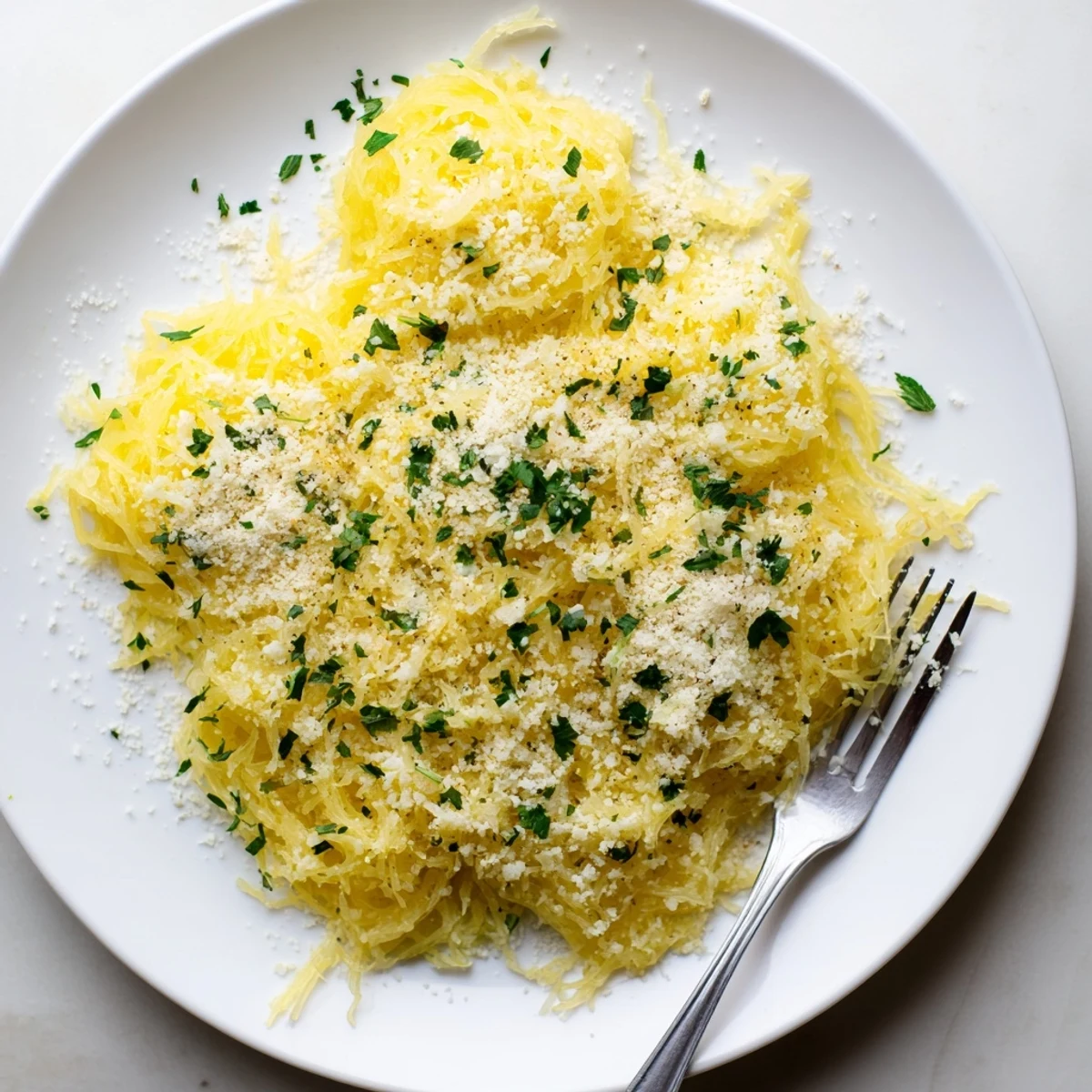
The trick is all in the roasting time and the angle of your fork. Pull the fork through the flesh along the length of the squash rather than across it, and you will get those long, elegant strands that genuinely resemble spaghetti. If you cut the squash into rings before roasting instead of halves, you get even longer strands, which is a neat trick I picked up from a farmers market vendor who was very passionate about her squash presentation.
Cheese Sauce Troubleshooting
If your sauce develops tiny lumps, a few seconds with an immersion blender smooths everything out beautifully. I learned this after a particularly frantic evening when my roux seized and I nearly threw the whole pot away. Also, using freshly grated cheese off a block melts dramatically better than the pre shredded bags, which are coated in anti caking agents that fight against creaminess.
Making It Your Own
This recipe is wonderfully flexible once you understand the basic technique. The squash provides a neutral, slightly sweet canvas that pairs well with all kinds of additions and adjustments.
- Stir in a cup of rotisserie chicken or chickpeas to turn this into a complete protein packed meal.
- Swap the cheddar for smoked Gouda or pepper Jack if you want to take the flavor in a completely different direction.
- Leftovers reheat beautifully in a covered dish at 350F for about 15 minutes, and they taste even better the next day.
 Save
Save This is the kind of dish that sneaks its way into your regular rotation before you even realize it happened. Make it once, and you will find yourself stocking spaghetti squash every time you see it at the store.
Recipe FAQs
- → Is spaghetti squash a good pasta substitute?
-
Spaghetti squash creates naturally tender strands that mimic pasta texture beautifully. It absorbs flavors well while adding subtle vegetable sweetness and reducing carbohydrates significantly compared to traditional pasta.
- → Can I make this dish ahead of time?
-
Yes, you can roast the squash and prepare the cheese sauce up to two days in advance. Store them separately in the refrigerator, then combine and bake when ready to serve. Add 5-10 minutes to baking time if starting cold.
- → What cheeses work best in the sauce?
-
Sharp cheddar provides classic tangy flavor while Gruyère adds nutty depth. Monterey Jack, Colby, or aged Gouda make excellent alternatives. Avoid pre-shredded cheese, as anti-caking agents can affect sauce smoothness.
- → How do I know when the squash is properly roasted?
-
The squash is ready when the flesh yields easily to a fork and shreds into strands without resistance. This typically takes 35-40 minutes at 400°F. Over-roasting can make the strands mushy, so check periodically after 30 minutes.
- → Can I freeze leftovers?
-
The dish freezes well for up to three months. Portion into airtight containers and thaw overnight in the refrigerator before reheating. The sauce may separate slightly; gentle stirring while reheating restores creaminess.
- → What protein additions complement this dish?
-
Shredded rotisserie chicken, pan-seared shrimp, or roasted chickpeas blend seamlessly. Crispy bacon pieces or ham cubes also add smoky depth while maintaining the comforting nature of the dish.