
 Save
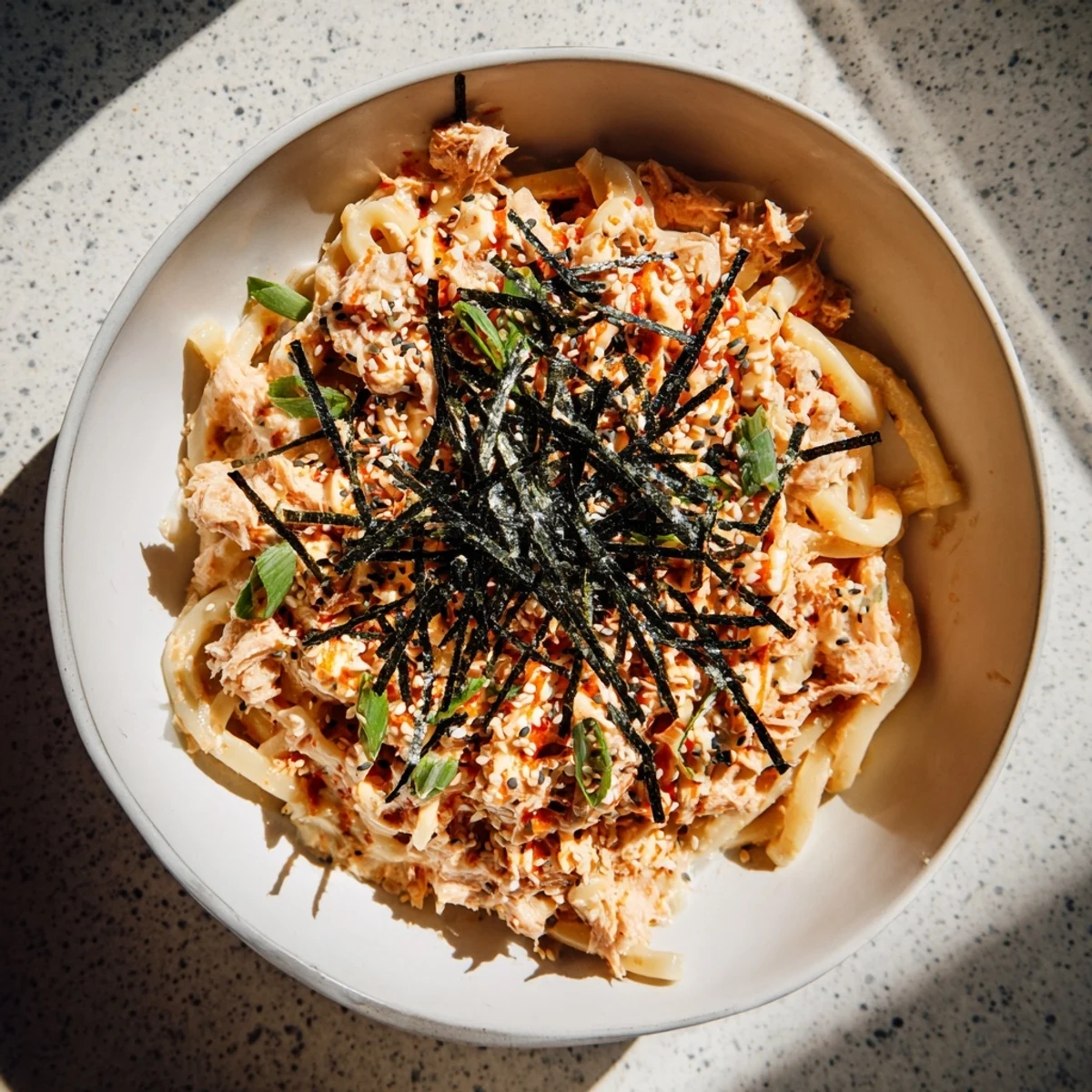
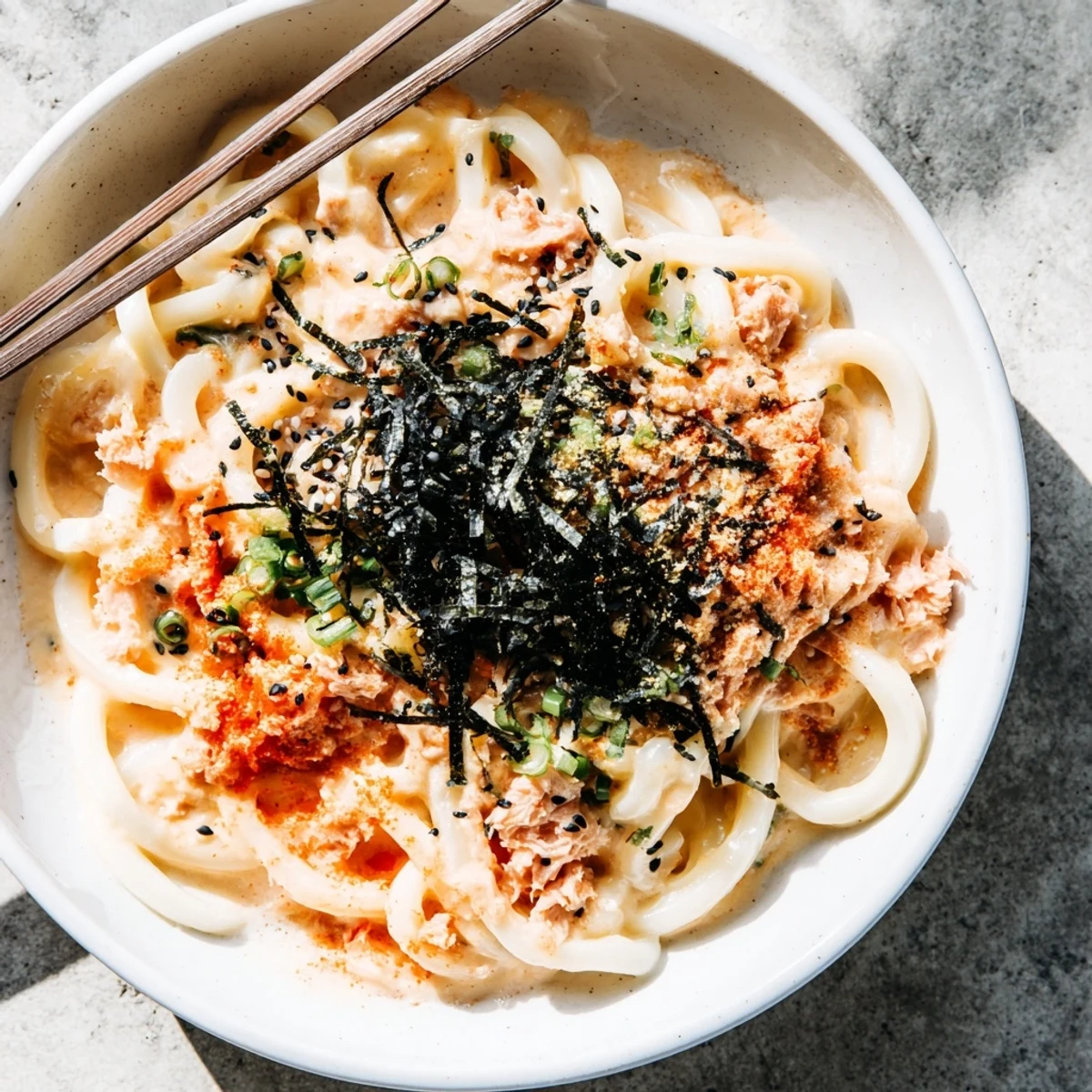
Save This Japanese fusion bowl combines thick, chewy udon noodles with a rich and fiery tuna sauce. The creamy, spicy mixture coats every strand, while fresh scallions and toasted sesame add layers of flavor and crunch.
Ready in just 25 minutes, this dish delivers restaurant-quality results at home. The sauce balances heat from Sriracha with umami from soy sauce and nuttiness from sesame oil. Perfect for a quick weeknight dinner when you want something bold and comforting.
Serve hot with extra garnishes like nori, chili flakes, or pickled ginger to customize your bowl. Pairs beautifully with chilled sake or green tea.
The radiator in my apartment was clanking so loud that winter evening that I almost missed the sound of my stomach growling, and I stood in front of an open fridge with nothing but a can of tuna and half a bottle of Sriracha staring back at me. Twenty five minutes later I was slurping the most ridiculous bowl of spicy, creamy udon, laughing at how something so thrown together could taste that good. It has been my cold night standby ever since. That clanking radiator is gone now but the recipe stuck around.
My roommate walked in halfway through my second bowl, sniffed the air with zero subtlety, and asked if I was hiding takeout from her. I handed her a fork because we were out of clean chopsticks, and she stood in the kitchen doorway eating the whole thing without sitting down. We started calling it standing noodles after that, and the name never changed.
Ingredients
- Canned tuna in water: Drain it well and give it a gentle squeeze with the back of a spoon against the strainer because excess water will make your sauce soupy instead of creamy.
- Japanese mayonnaise (Kewpie): The extra egg yolks and rice vinegar in Kewpie make a richer, tangier sauce than regular mayo, so track it down if you can.
- Sriracha: Adjust the amount based on your tolerance, and remember the heat mellows slightly once mixed with mayo and lime.
- Soy sauce: Split between the tuna mixture and the noodle toss, it seasons both layers without overwhelming either one.
- Toasted sesame oil: Just a teaspoon in the tuna mixture adds a nutty depth that ties the whole bowl together.
- Lime juice: A tiny squeeze brightens everything and cuts through the richness of the mayonnaise.
- Fresh or frozen udon noodles: Frozen udon has a chewier, more satisfying texture than dried, and it cooks in about two minutes.
- Garlic and ginger: Freshly minced and grated make all the difference here since there are so few aromatics in the pan.
- Sugar: Just a teaspoon balances the salt and heat so nothing tastes one dimensional.
- Scallions: Use one mixed into the tuna and save another for garnish so you get that fresh onion bite in every layer.
- Sesame seeds and nori: Optional but they add crunch and a hit of ocean saltiness that makes the bowl feel complete.
Instructions
- Mix the spicy tuna:
- Combine drained tuna, mayonnaise, Sriracha, one teaspoon soy sauce, sesame oil, lime juice, and sliced scallion in a bowl, folding gently until every flake is coated in that creamy orange sauce.
- Cook the udon:
- Drop the noodles into boiling water and follow the package timing, then drain immediately so they do not go mushy while you wait.
- Wake up the aromatics:
- Heat vegetable oil in a pan over medium heat and sauté garlic and ginger for about one minute until your kitchen smells impossibly good and the edges just start to sizzle.
- Toss the noodles:
- Add drained udon to the pan with two tablespoons soy sauce, sugar, and water, tossing everything with tongs or chopsticks until each noodle is glossy and warmed through.
- Bring it all together:
- Take the pan off the heat and fold in the spicy tuna mixture gently so the chunks stay intact rather than turning into paste.
- Finish and serve:
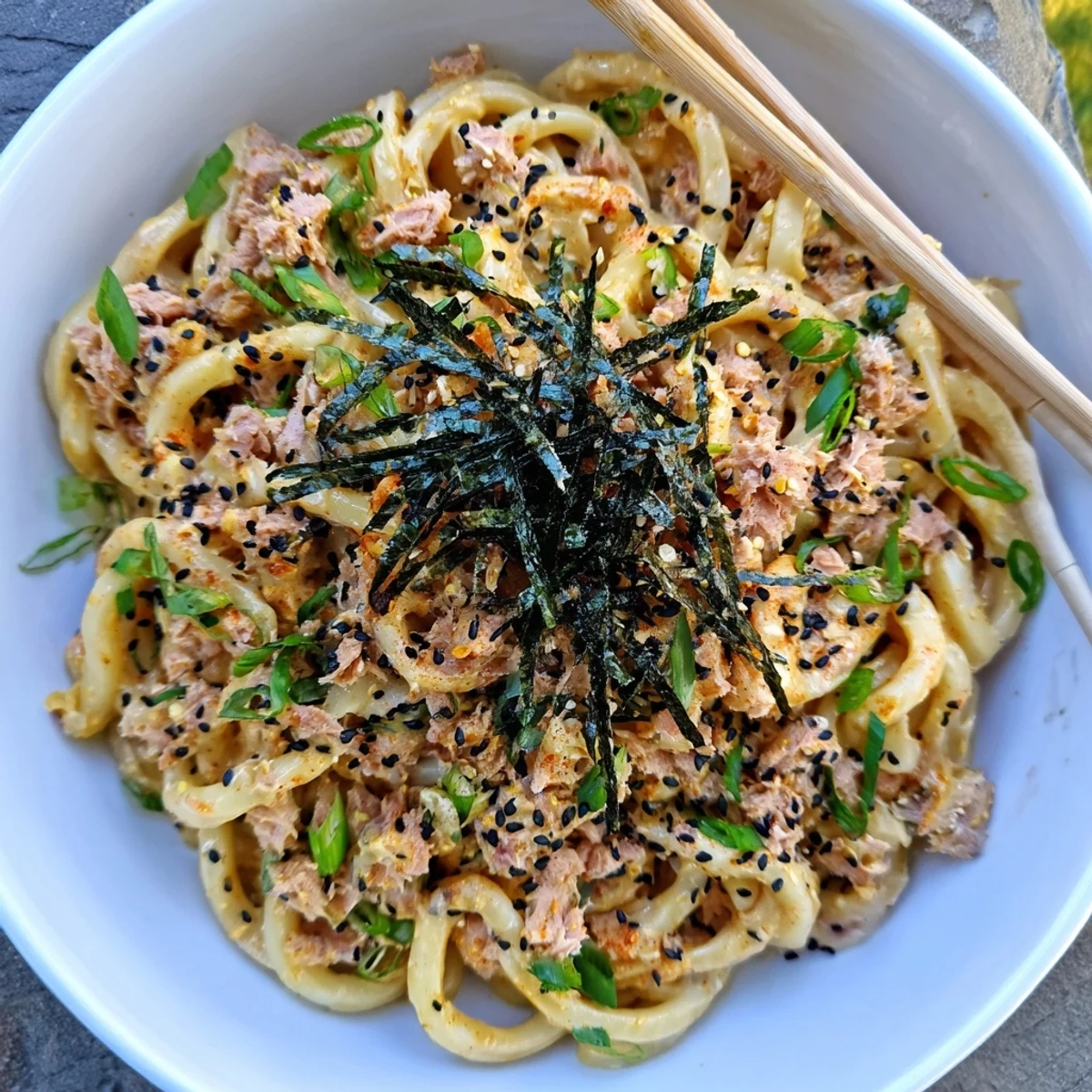
- Slide into bowls and scatter extra scallions, sesame seeds, and shredded nori on top while the steam is still rising.
 Save
Save I once made this for a friend who claimed she did not like canned tuna, and she cleaned her bowl before asking for the recipe with complete seriousness. That is the thing about this dish. It transforms something humble into something you actually crave.
Making It Your Own
The beauty of this recipe is how forgiving it is once you understand the basic structure of creamy tuna on seasoned noodles. Dice up some sushi grade tuna if you want to impress someone, or mash chickpeas with vegan mayo if you are cooking for plant based friends. A handful of shredded cabbage or edamame tossed in at the end adds color and crunch without changing the character of the dish.
What to Serve Alongside
A quick cucumber salad with rice vinegar and a pinch of salt takes about three minutes to throw together and cuts through the richness of the noodles beautifully. Pickled ginger on the side works the same way, cleansing your palate between bites. Chilled sake or a mug of green tea rounds out the meal without competing with the heat.
Storing and Reheating
This dish is best eaten right away because the noodles soak up the sauce as they sit and the texture shifts from slippery to slightly gummy. If you have leftovers, store the noodle mixture and tuna separately in the fridge for up to one day. Reheat the noodles in a pan with a splash of water before folding the cold tuna back in.
 Save
Save Keep a can of tuna and a bottle of Sriracha in your pantry and you are never more than fifteen minutes away from a bowl that feels like a real meal. That is a kind of kitchen insurance worth having.
Recipe FAQs
- → Can I use fresh tuna instead of canned?
-
Yes, you can substitute canned tuna with fresh sushi-grade tuna. Dice the fresh tuna into small cubes and fold it into the spicy sauce mixture just before serving to maintain its texture and delicate flavor.
- → How can I make this dish vegan?
-
Replace the canned tuna with mashed chickpeas for similar texture and protein content. Use vegan mayonnaise instead of regular mayo. The chickpeas will absorb the spicy sauce beautifully while maintaining the dish's creamy consistency.
- → What type of noodles work best?
-
Thick udon noodles are ideal for this dish as their chewy texture holds up well to the rich sauce. You can use fresh or frozen udon interchangeably. In a pinch, thick wheat noodles like fettuccine or lo mein can work as substitutes.
- → How do I store and reheat leftovers?
-
Store components separately in airtight containers in the refrigerator for up to 2 days. Keep the tuna mixture and noodles separate to prevent sogginess. Reheat noodles in a pan with a splash of water, then fold in the cold tuna mixture just before serving.
- → Can I adjust the spice level?
-
Absolutely. Start with 1 tablespoon of Sriracha for moderate heat. Add extra chili sauce, red pepper flakes, or fresh minced chili if you prefer it spicier. For a milder version, reduce the Sriracha to 1 teaspoon or substitute with a milder chili paste.
- → What sides pair well with this dish?
-
A refreshing cucumber salad with rice vinegar helps balance the rich, spicy noodles. Pickled ginger adds tang and brightness. For a complete Japanese meal, serve with miso soup and a simple seaweed salad. Chilled sake or cold green tea make perfect beverage pairings.