 Save
Save This traditional Thai custard delivers a luxurious silky texture through gentle steaming. The combination of full-fat coconut milk and palm sugar creates a naturally sweet, aromatic base that's both dairy-free and gluten-free.
The key to achieving that signature melt-in-the-mouth consistency lies in the preparation technique: whisk eggs just until combined, strain the mixture to remove any bubbles, and steam slowly over low heat. This method prevents curdling while ensuring a smooth, wobbly center.
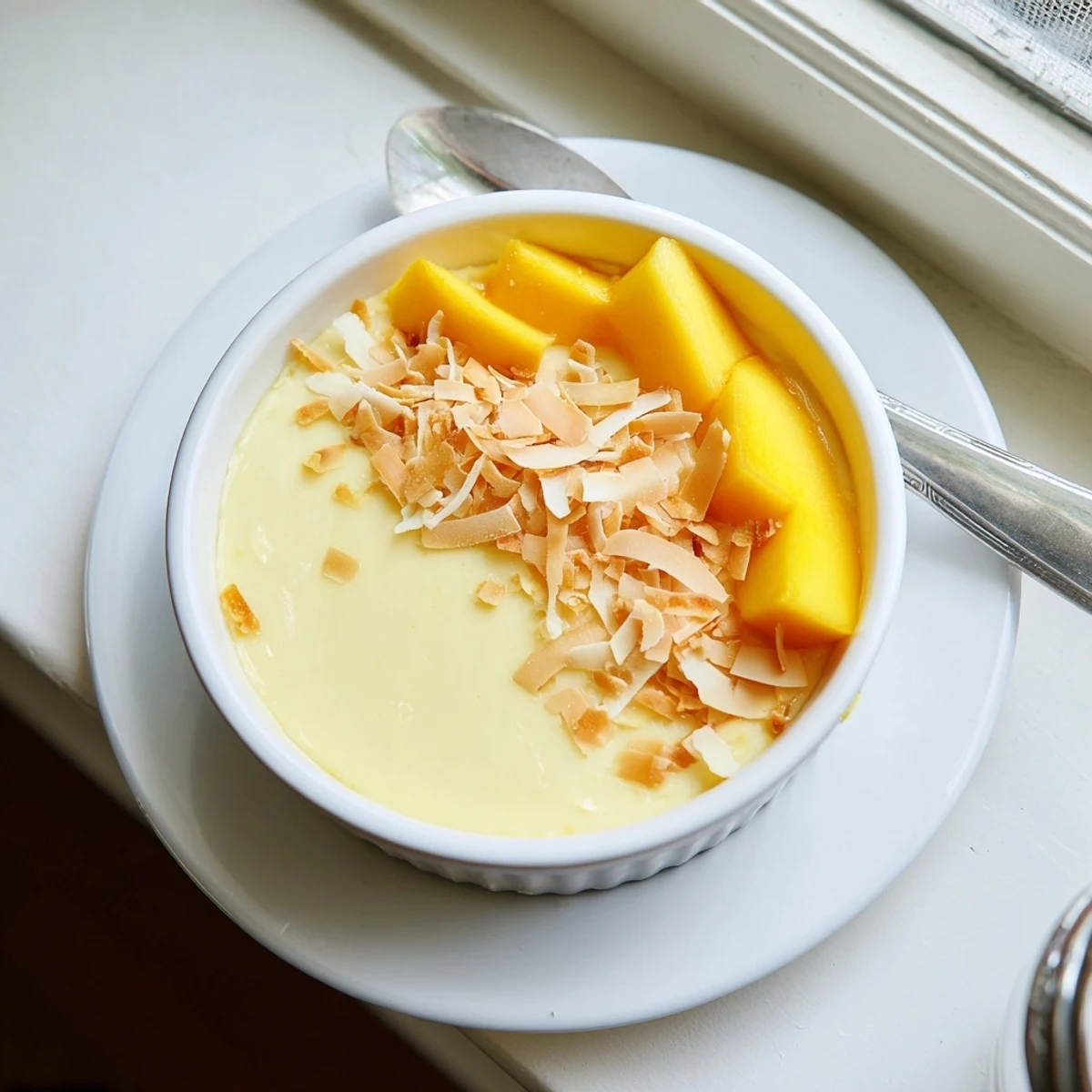
Serve chilled or at room temperature, topped with toasted shredded coconut and fresh tropical fruits like mango or lychee. For authentic flavor, infuse the coconut milk with pandan leaf before mixing—this adds a subtle, fragrant complexity that's characteristic of Thai desserts.
The steam curling up from my bamboo steamer always transports me back to that humid afternoon in Chiang Mai when a street vendor handed me a small ceramic cup of something creamy and white. I took one bite and stopped dead in my tracks—how could something so simple taste so incredibly complex? That silky coconut custard became my obsession, and I spent months trying to recreate that exact texture at home, failing more times than I'd like to admit.
Last summer, I made these for a dinner party where half the guests were skeptical about egg-based desserts. Within minutes of serving, those same people were hovering around the kitchen, asking if there were any extras hidden in the refrigerator. Watching someone's eyes light up when that first spoonful hits their tongue—that's the magic this custard brings to the table every single time.
Ingredients
- 4 large eggs: Room temperature eggs incorporate more smoothly into the coconut milk, creating that perfectly uniform texture we're after
- 200 ml coconut milk: Full fat is non-negotiable here—the richness carries the entire dessert and low-fat versions leave you with a disappointing, watery result
- 100 g palm sugar: This brings those caramel undertones that make Thai desserts so distinctive, though brown sugar works in a pinch
- 1/4 tsp fine sea salt: Just enough to make the coconut flavor pop without tasting salty—it's the secret weapon many home cooks skip
- 1 tsp vanilla extract: Optional, yes, but it bridges the gap between the coconut and egg flavors beautifully
- Toppings: Toasted coconut adds crunch while fresh mango cuts through the richness with bright acidity
Instructions
- Prepare your eggs:
- Whisk them just until combined—overbeating creates bubbles that ruin that silky smooth texture we're chasing
- Build the custard base:
- Add the coconut milk, palm sugar, salt, and vanilla, then whisk gently until everything dissolves into a uniform mixture
- Strain for silkiness:
- Pour everything through a fine mesh sieve into a jug—this catches any cooked egg bits and ensures absolute smoothness
- Portion into vessels:
- Distribute the mixture evenly among four heatproof ramekins, filling them about three-quarters full
- Steam gently:
- Place ramekins in your steamer over barely simmering water, cover, and let them steam for 25 to 30 minutes until just set with a slight wobble in the center
- Chill completely:
- Let them cool to room temperature first, then refrigerate for at least an hour—their texture transforms during this resting period
- Add the finishing touches:
- Top with toasted coconut and fresh fruit right before serving for that beautiful contrast of temperatures and textures
 Save
Save My grandmother used to say that desserts made with patience always taste sweeter, and she was absolutely right about this custard. The slow steam transforms simple ingredients into something that feels like a proper indulgence, even though it's naturally gluten-free and dairy-free.
The Art of Steaming
Steaming custards requires a completely different mindset than baking them in a water bath. You're working with moist heat rather than dry, which means the texture ends up uniquely silky—almost like a cross between a flan and a pudding. I've found that keeping the lid slightly ajar helps prevent condensation from dripping onto the surface and creating those unappetizing watery spots.
Making It Your Own
While the classic version is sublime on its own, I've experimented with folding in a teaspoon of coconut flower water or infusing the coconut milk with a knotted pandan leaf. Both additions transform the aroma dramatically, though the flavor remains recognizably Thai coconut custard at heart.
Serving Suggestions
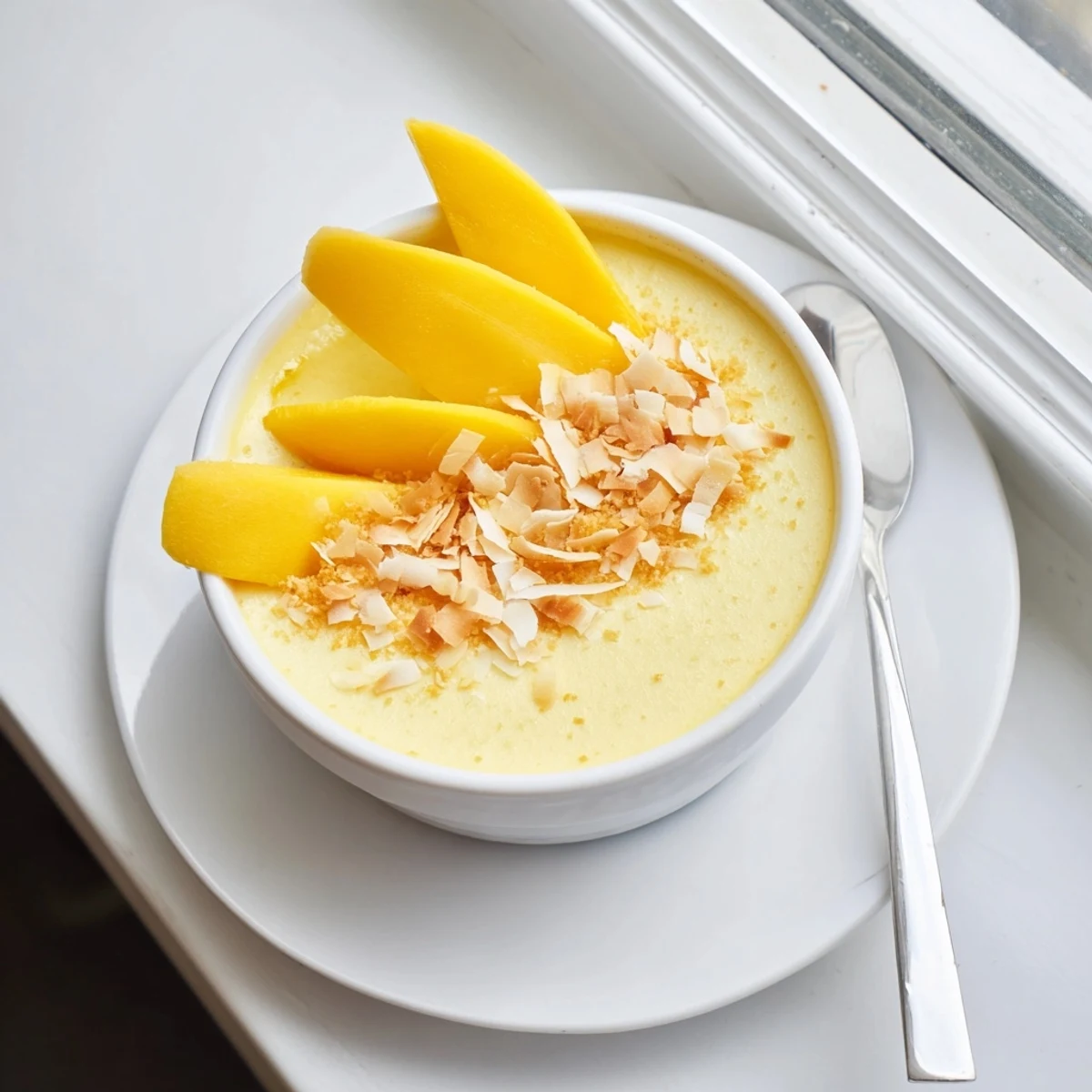
These custards shine brightest when served cold alongside something fresh and bright. The traditional pairing is slices of perfectly ripe mango, but I've also enjoyed them with quartered lychees or even a scattering of pomegranate seeds for that burst of tart sweetness.
- Small espresso cups make elegant individual serving vessels that feel special
- A pinch of toasted sesame seeds adds a nutty finish that complements the coconut
- Leftovers keep beautifully for two days, though they rarely last that long in my house
 Save
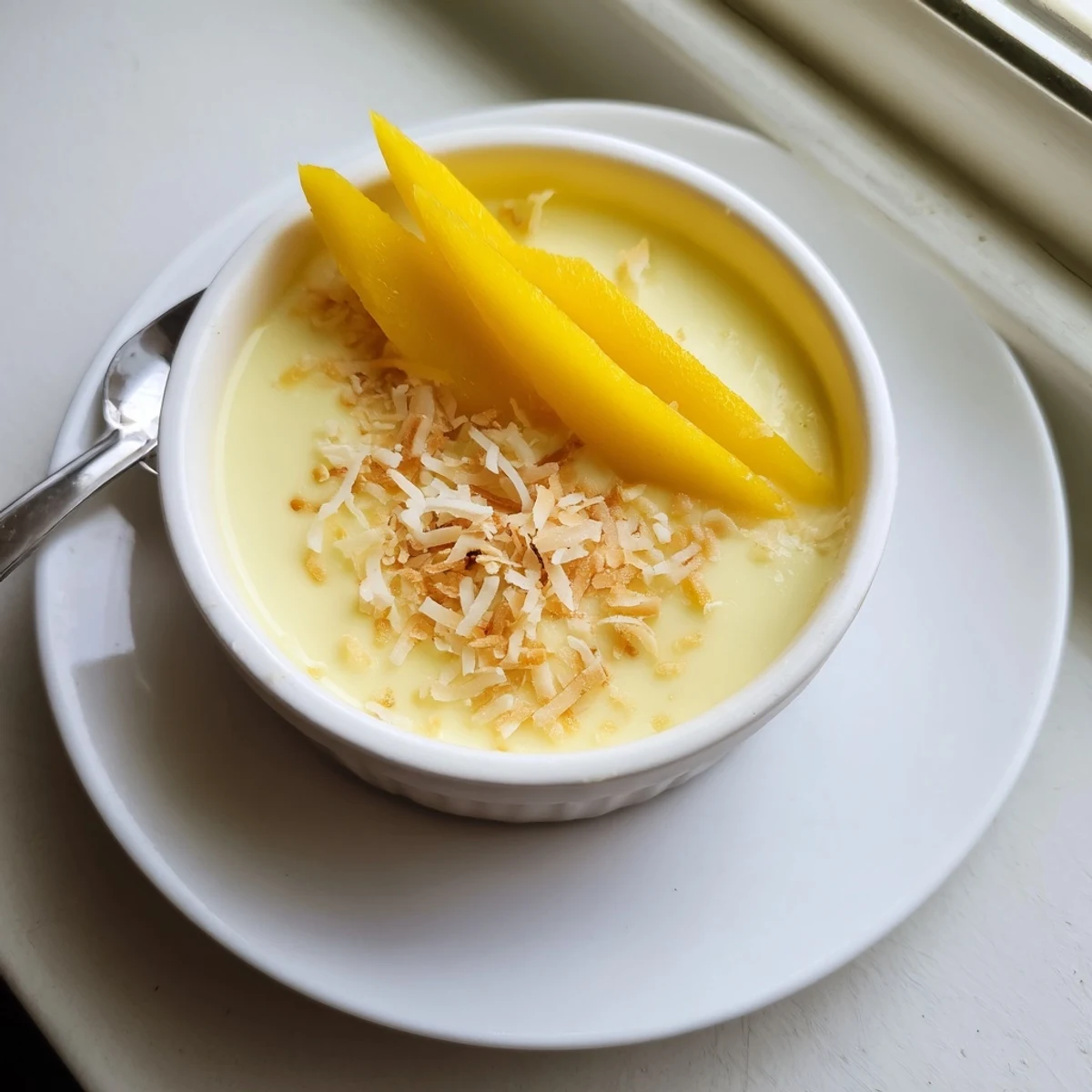
Save There's something profoundly satisfying about creating such an elegant dessert from such humble ingredients. Each spoonful feels like a tiny vacation to a bustling Thai night market.
Recipe FAQs
- → What makes this custard texture different from baked custards?
-
Steaming creates a silkier, more delicate texture than baking. The gentle, moist heat prevents the custard from forming a crust or becoming rubbery, resulting in that signature melt-in-the-mouth consistency with a slightly wobbly center.
- → Can I use regular sugar instead of palm sugar?
-
Yes, light brown sugar makes an excellent substitute for palm sugar. While palm sugar provides authentic caramel-like notes, brown sugar delivers similar depth and mol sweetness. White sugar works too but lacks that rich complexity.
- → Why do I need to strain the mixture before steaming?
-
Straining removes any small egg white bits or bubbles that can create an uneven texture. This extra step ensures your finished custard is perfectly smooth and silky throughout, without any lumps or air pockets.
- → How do I know when the custard is done steaming?
-
The custard is ready when it's just set but still slightly wobbly in the center—similar to flan. Gently shake a ramekin; the edges should be firm while the center has a gentle jiggle. Overcooking creates a rubbery, dry texture.
- → Can I make this custard ahead of time?
-
Absolutely. In fact, this custard tastes better after chilling for several hours or overnight. The flavors deepen and the texture becomes even firmer and more elegant. Store covered in the refrigerator for up to 3 days.
- → What's the purpose of adding vanilla extract?
-
Vanilla extract enhances the natural sweetness of coconut milk and complements the palm sugar beautifully. While optional, it adds a warm, aromatic layer that rounds out the tropical flavors without overpowering them.