 Save
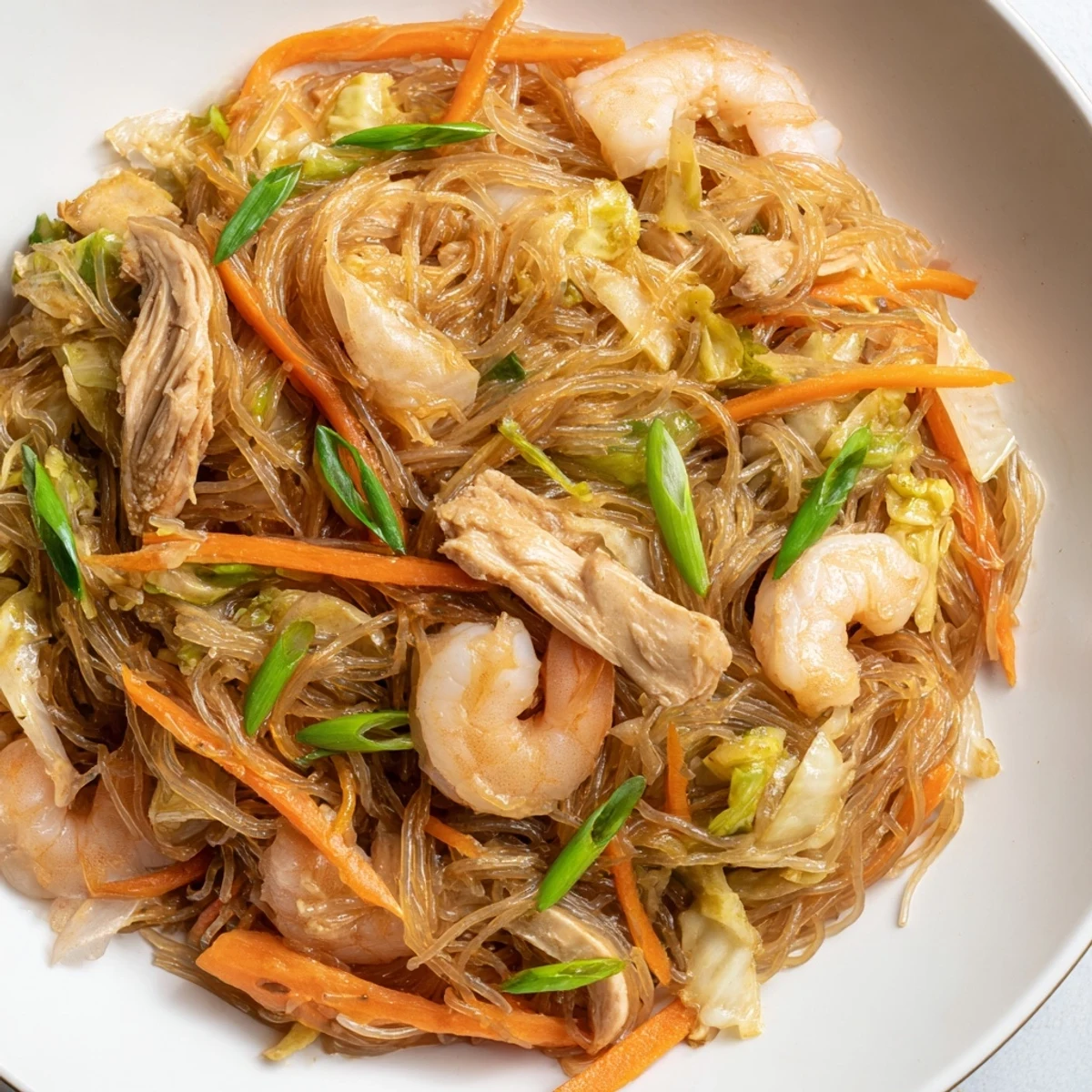
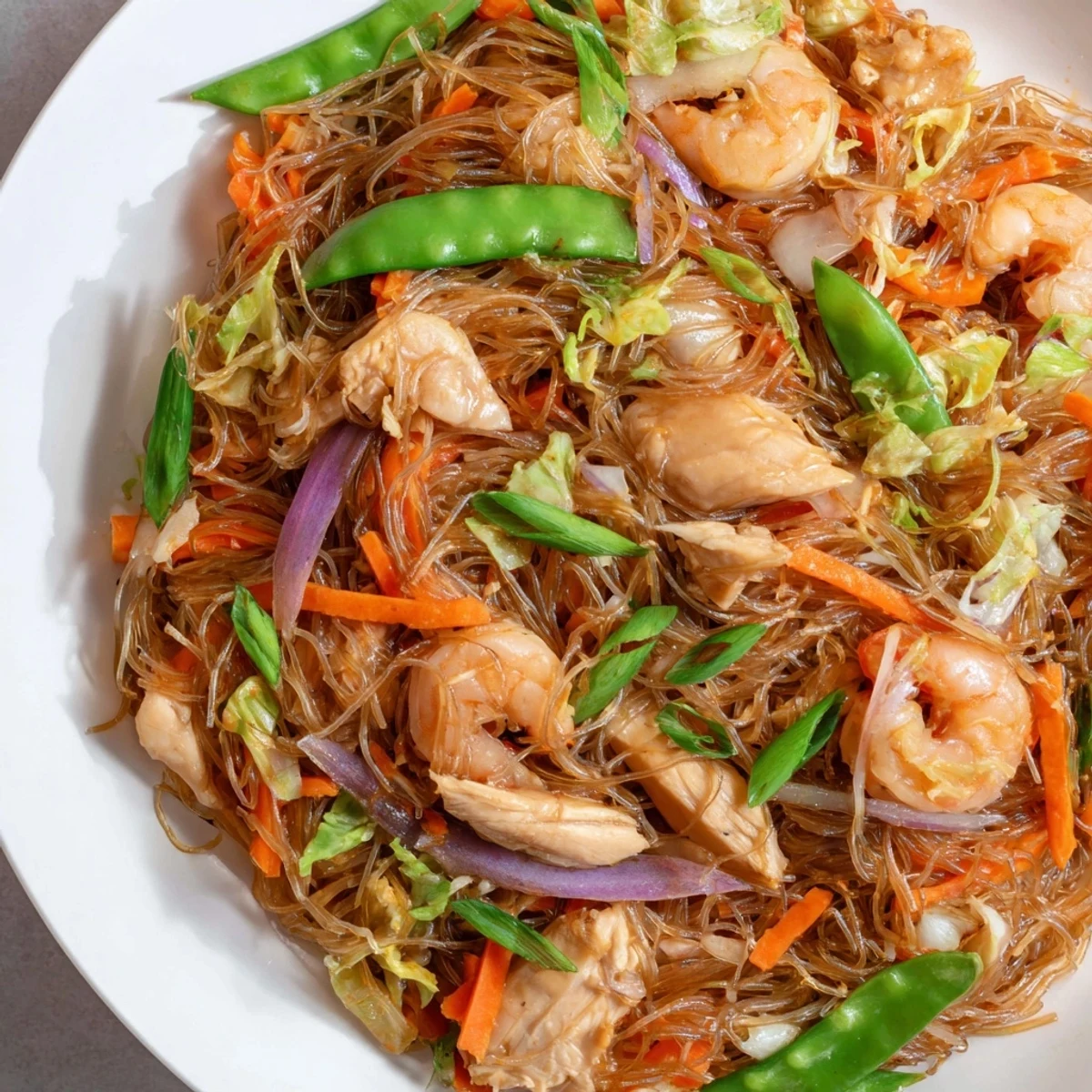
Save Traditional Pancit Bihon features tender rice vermicelli noodles wok-tossed with succulent chicken breast, plump shrimp, and colorful vegetables including julienned carrots, shredded cabbage, and crisp snow peas. The dish comes alive in a well-balanced sauce blending soy sauce, oyster sauce, and fish sauce with aromatic chicken broth.
Preparation involves soaking the dried bihon noodles until pliable, then stir-frying garlic and onions until fragrant before adding proteins. Vegetables maintain their crunch while absorbing the savory sauce, creating a harmonious balance of textures and flavors characteristic of Filipino cuisine.
This classic main dish serves four comfortably and adapts beautifully for vegetarians using tofu and vegetable broth. The finished dish earns its authentic finish with fresh scallion garnish and bright calamansi wedges for squeezing over the steaming noodles.
The first time I watched my aunt make pancit bihon, I was mesmerized by how quickly everything came together. She moved around the kitchen like she was conducting an orchestra, her wok hissing and the aroma of garlic and onions filling every corner of the house. That day taught me that the best Filipino comfort food is about rhythm and timing as much as it is about ingredients.
Last Sunday, I made a huge platter for my cousins birthday and it disappeared before I could even grab a serving plate. My uncle leaned over and whispered that it tasted exactly like the street food he missed from Manila. That kind of connection is what cooking is all about.
Ingredients
- 200 g boneless chicken breast: Thinly slice against the grain for tender pieces that cook quickly
- 100 g medium shrimp: Peeled and deveined, these add sweetness and depth
- 200 g dried bihon noodles: Rice vermicelli that soaks up all the savory sauce beautifully
- 1 small carrot: Julienned for color and a subtle sweetness
- 1 cup green cabbage: Shredded adds texture and freshness
- 1/2 cup snow peas: Trimmed and halved for a crisp tender bite
- 1 small onion: Sliced thinly builds the aromatic base
- 3 cloves garlic: Minced fresh is non negotiable for authentic flavor
- 2 tbsp soy sauce: The foundation of that rich umami taste
- 1 tbsp oyster sauce: Adds a velvety depth you cannot replicate
- 1 tsp fish sauce: Just enough to round out all the flavors
- 1/2 tsp ground black pepper: Freshly cracked makes all the difference
- 1 cup chicken broth: Homemade if possible but store bought works too
- 2 tbsp scallions: Chopped fresh for a pop of color and mild onion flavor
- 1 lemon or calamansi: Cut into wedges for that essential acidic squeeze
Instructions
- Prepare the noodles:
- Soak bihon in warm water for 10 minutes until pliable, then drain well and set aside.
- Build your aromatics:
- Heat oil in a wok over medium high heat and saute garlic and onion until fragrant and translucent.
- Cook your proteins:
- Add chicken slices until lightly browned and cooked through, then add shrimp and stir fry until pink.
- Set aside the meat:
- Remove proteins from the pan to prevent overcooking while you prepare the vegetables.
- Stir fry the vegetables:
- Add carrots, cabbage and snow peas to the hot pan and cook for 2 to 3 minutes until just tender.
- Combine everything:
- Return chicken and shrimp to the pan, pour in soy sauce, oyster sauce, fish sauce and chicken broth, then bring to a simmer.
- Add the noodles:
- Toss in drained bihon and gently combine with tongs, letting noodles absorb the sauce for 3 to 4 minutes.
- Season and serve:
- Finish with black pepper, adjust seasoning if needed, then garnish with scallions and serve with citrus wedges.
 Save
Save When I finally mastered the balance between salty and savory, I understood why this dish appears at every Filipino celebration. It brings people together around a steaming platter, everyone reaching for their fork at the same time.
Getting the Noodle Texture Right
The secret is soaking the noodles just until they bend but still have a slight bite. If they feel too soft after soaking, reduce the cooking time in the sauce to prevent them from disintegrating.
Building Layers of Flavor
I learned to bloom the garlic and onion slowly before adding any meat. This foundation is what separates good pancit from great pancit that makes people ask for seconds.
Serving Suggestions and Variations
Some days I add bell peppers or celery for extra crunch and color. The recipe is forgiving once you understand the basic technique.
- Squeeze fresh calamansi or lemon right before eating to brighten all the flavors
- Offer extra fish sauce on the table for those who love it salty
- Pair with a cold light lager or crisp white wine to cut through the richness
 Save
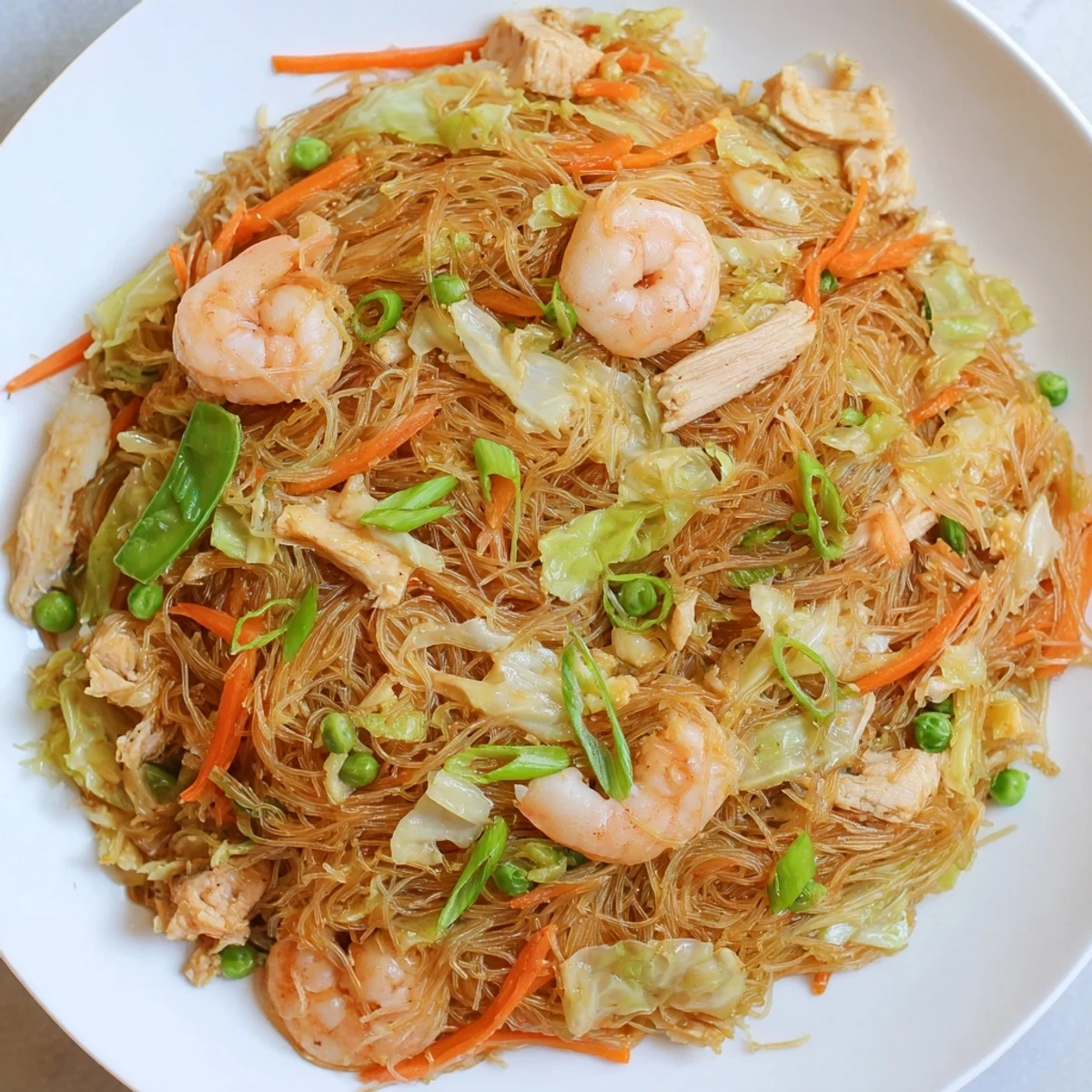
Save There is something deeply satisfying about a dish that feeds both body and soul in equal measure. I hope this recipe finds its way into your regular rotation and creates memories at your table.
Recipe FAQs
- → What makes Pancit Bihon different from other Filipino noodle dishes?
-
Pancit Bihon specifically uses thin rice vermicelli noodles called bihon, distinguishing it from Pancit Canton which features wheat flour egg noodles. The rice noodles have a delicate texture that absorbs the soy-based sauce beautifully while maintaining a slight chewiness that contrasts with the crisp vegetables and tender proteins.
- → Can I prepare Pancit Bihon ahead of time?
-
While best served immediately after cooking, you can prepare components in advance. Slice vegetables and proteins the day before, storing them separately in the refrigerator. Soak the noodles just before cooking to prevent them from becoming mushy. The dish reheats well over medium heat with a splash of broth to refresh the sauce.
- → How do I prevent the noodles from becoming too soft or mushy?
-
Soak the dried bihon noodles in warm water for exactly 10 minutes until pliable but not completely soft. Drain thoroughly before adding to the wok. During cooking, toss gently with tongs and cook just until the noodles absorb the sauce and become heated through, about 3-4 minutes. Avoid overcooking or the noodles will lose their satisfying texture.
- → What vegetables work best in Pancit Bihon?
-
Traditional Pancit Bihon includes julienned carrots for sweetness and color, shredded cabbage for crunch, and snow peas for fresh texture. Other excellent additions include bell peppers, celery, snap peas, or bok choy. The key is cutting vegetables uniformly so they cook evenly while maintaining some crispness to contrast with the tender noodles.
- → Is there a vegetarian version of Pancit Bihon?
-
Absolutely. Substitute the chicken and shrimp with firm tofu cubes or tempeh, and replace the chicken broth with vegetable broth. Use vegetarian oyster sauce (often made from mushrooms) instead of traditional oyster sauce. The result remains satisfying with the same savory sauce profile and diverse textures from the vegetables and protein alternatives.
- → What should I serve with Pancit Bihon?
-
Pancit Bihon stands as a complete main dish but pairs wonderfully with simple sides. Serve with additional soy sauce mixed with chili for those who enjoy extra heat. A crisp white wine like Sauvignon Blanc or a light lager complements the savory flavors. Many Filipino families serve this with lumpia (spring rolls) for a traditional spread at gatherings and celebrations.