
 Save
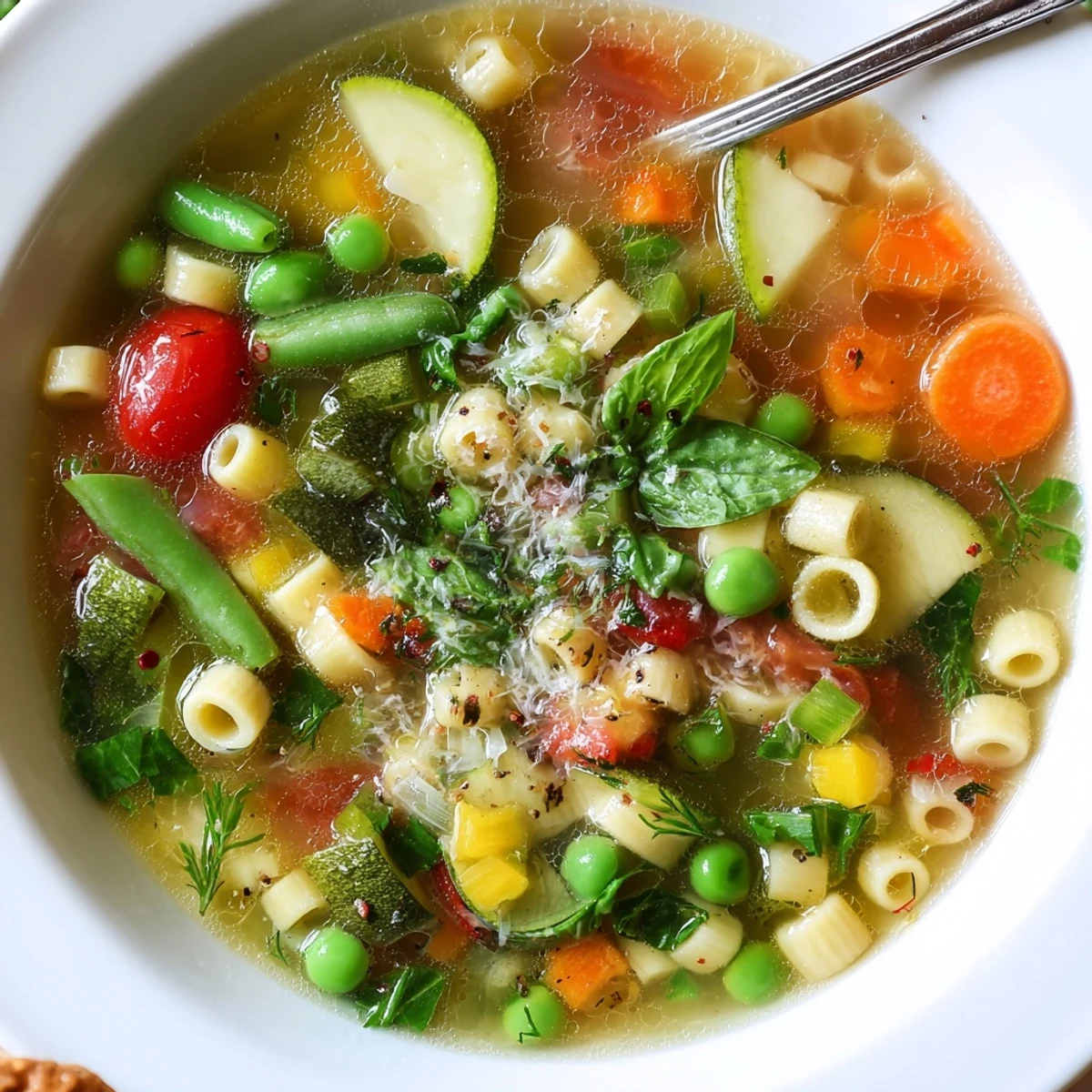
Save This vibrant spring minestrone starts by sauteing onion and garlic in olive oil until translucent, then softening carrots and celery. Zucchini, green beans and cherry tomatoes join before adding vegetable broth and small pasta. Simmer until pasta is al dente, then fold in peas, baby spinach and fresh basil, parsley and dill. Finish with grated Parmesan and a drizzle of olive oil for a bright, comforting bowl.
The promise of spring always seems to arrive first in my kitchen, long before the garden wakes up for real. One chilly Saturday, a surprise bounty from the farmers market nudged me to transform those first tender greens into my favorite spring minestrone. Suddenly my countertop was crowded with vibrant vegetables and fresh herbs—a gentle kind of chaos that makes me want to start chopping right away. The bright scent of basil had me grinning before I even finished lining up my ingredients.
Last April, a friend dropped by unexpectedly just as I ladled this soup into bowls—the kitchen window fogged up, we talked about everything and nothing, and the minestrone made the whole afternoon feel lighter. That was the day I learned that good soup really can turn a regular lunch into a small celebration.
Ingredients
- Olive oil: Heats gently and coaxes out sweetness from the onions—start with a good one if you have it.
- Yellow onion (1 small, finely chopped): Lends a mellow depth and sweet foundation if you take your time sautéing.
- Garlic (2 cloves, minced): Just a little gives the soup subtle warmth; chop it fine so it melts into the broth.
- Carrots (2 medium, diced): Their sweetness softens the earthiness of the greens, and even picky eaters embrace their color.
- Celery (2 stalks, diced): Adds herbal notes that keep everything bright—try to dice it evenly for a pleasant bite.
- Zucchini (1 small, diced): Brings a delicate, almost creamy quality as it cooks without overpowering.
- Peas (1 cup, fresh or frozen): I stir these in for bursts of sweetness; frozen peas work perfectly in a pinch.
- Green beans (1 cup, trimmed & cut into 1-inch pieces): Green beans keep their shape, giving each spoonful some welcome texture.
- Baby spinach (2 cups): Folds in at the last minute for emerald flecks and gentle flavor; don’t overcook it.
- Cherry tomatoes (1 cup, halved): Their brightness and acidity balance the soup and make every bowl cheerful.
- Vegetable broth (6 cups): A good broth is the soul of this dish—choose low-sodium if you like to adjust seasoning yourself.
- Small pasta (1 cup, ditalini or orzo): I love that these soak up flavor and give the soup hearty body—don’t be shy if you want to use what’s in your pantry.
- Salt (1 tsp, or to taste): Add slowly and taste as you go; vegetables change things every time.
- Black pepper (1/2 tsp): Freshly cracked is best for just the right kick.
- Red pepper flakes (1/4 tsp, optional): Sprinkle in for gentle heat that never overwhelms the freshness.
- Fresh basil (2 tbsp, chopped): Its unique anise flavor brings everything into harmony; stir in at the end for maximum aroma.
- Fresh parsley (1 tbsp, chopped): Brightens up the finish of the broth without fuss—try curly or flat-leaf.
- Fresh dill (1 tbsp, chopped, optional): Sometimes I add this for grassy freshness, especially if the market has a fragrant bunch.
- Parmesan cheese (1/4 cup, freshly grated): Add on top for creamy, salty notes—easy to skip or swap with vegan cheese if needed.
- Extra virgin olive oil (for drizzling): The simplest finishing touch that elevates each bowl.
Instructions
- Start your base:
- Set a large pot over medium heat and drizzle in the olive oil. As the oil warms, toss in the onion and garlic and cook, stirring, until the kitchen fills with their aroma and the onion turns pearly, about 3 minutes.
- Sweat the roots:
- Add carrots and celery, stirring gently so nothing browns. Let them soften and release their sweet scent for about 5 minutes—think mellow, almost buttery notes.
- Add spring greens:
- Stir in zucchini, green beans, and cherry tomatoes, letting their colors brighten and pop as the vegetables just begin to relax, 2 to 3 minutes.
- Raise the heat with broth:
- Pour in the vegetable broth and bring everything to a gentle boil; the sizzle quiets down, and flavors start mingling right away.
- Simmer and add pasta:
- Tip in the small pasta and peas. Let everything simmer until the pasta is tender and the peas are sweet, usually 8 to 10 minutes—taste a noodle to check for doneness.
- Finish with greens and herbs:
- Scatter in the baby spinach, basil, parsley, and (if using) dill, and lower the heat; stir just until the spinach wilts. Season with salt, black pepper, and a dash of red pepper flakes if you want a bit of warmth.
- Serve and garnish:
- Ladle the soup into bowls, topping generously with grated Parmesan and a finishing drizzle of olive oil. Scatter over more fresh herbs if you like, and serve steaming hot.
 Save
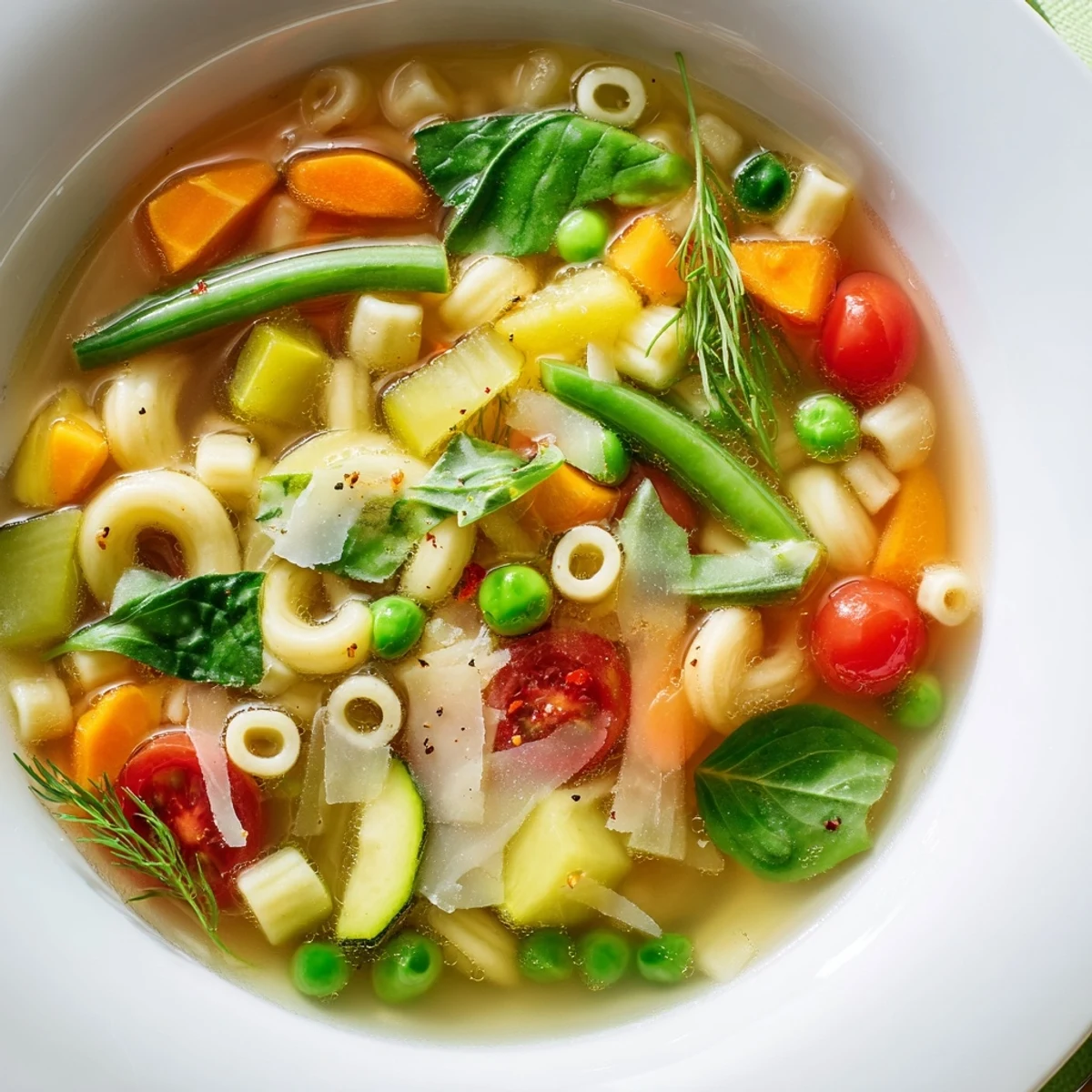
Save There was a rainy night when I made this soup just to warm up, but it turned into more—a quiet hour sitting at the table, watching steam rise in little curls and realizing how much beauty there is in keeping things simple. Sometimes, one homemade pot really does feel like an act of care.
Making the Most of Seasonal Veggies
Swapping in whatever fresh finds you have—like asparagus or baby leeks—keeps this soup surprising and delicious again and again. It’s how I learned that following the season makes even a well-loved recipe taste new.
Vegan and Allergy-Friendly Tweaks
If you need to keep things dairy-free or gluten-free, you can easily adapt the soup with vegan cheese or a different kind of pasta. I love how this recipe is flexible enough for friends around the table, no matter their preferences or needs.
Little Kitchen Tools That Help the Most
Turns out, my trusty wooden spoon and a sharp chef’s knife get the most use here—sometimes it feels like these tools almost anticipate what’s next. Using a big enough pot makes stirring gentle and keeps the vegetables from getting crowded as they cook.
- Prep your veggies ahead to make things smooth when the cooking starts.
- Taste your broth before serving and adjust salt—it’s always worth it.
- Don’t skip the extra fresh herbs on top if you can find them.
 Save
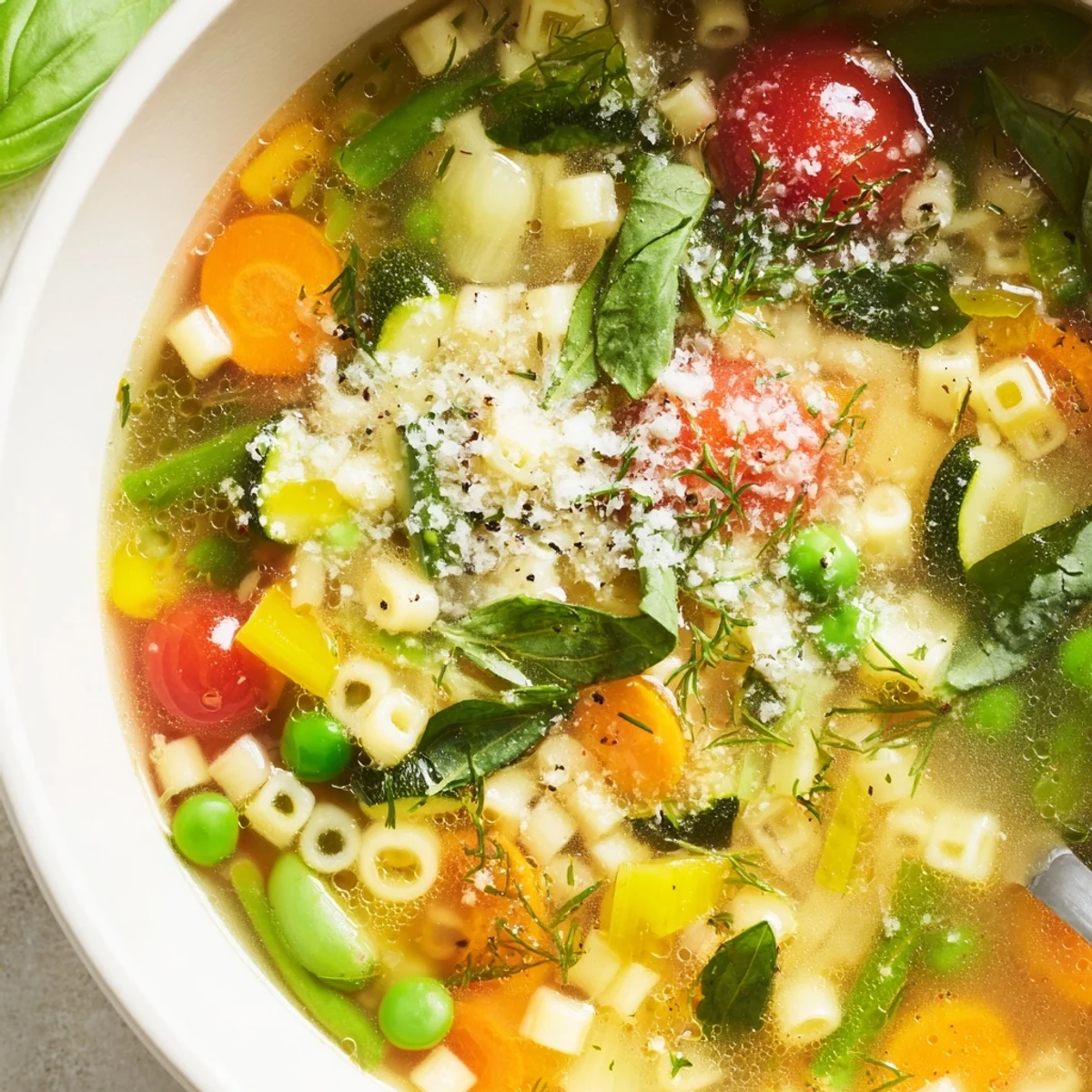
Save This Spring Minestrone is pure inviting comfort in a bowl. I hope every spoonful adds a burst of fresh green to your table, just the way it has for me.
Recipe FAQs
- → What pasta works best?
-
Small shapes like ditalini or orzo work well, cooking quickly and fitting between vegetables. Choose a short pasta so it heats evenly and holds broth in each bite.
- → How can I keep vegetables vibrant and tender?
-
Sauté hearty roots first, then add quicker-cooking veggies later. Simmer gently and add delicate greens like spinach at the end to wilt briefly and preserve color and texture.
- → How do I prevent the pasta from overcooking?
-
Either cook pasta separately and add to bowls before serving, or add it to the simmering broth near the end and test for al dente to avoid it absorbing too much liquid.
- → Can I add beans for more protein?
-
Yes—stir in canned cannellini or other white beans, drained and rinsed, during the last few minutes of simmering to warm through without breaking apart.
- → How should I store and reheat leftovers?
-
Refrigerate in a covered container for 3–4 days. Reheat gently on the stove with a splash of broth or water to loosen the broth, and refresh with herbs or a drizzle of olive oil before serving.
- → How can I make this gluten- or dairy-free?
-
Use gluten-free small pasta or swap for quinoa/rice for a gluten-free option. Omit Parmesan or use a plant-based alternative for a dairy-free finish.