
 Save
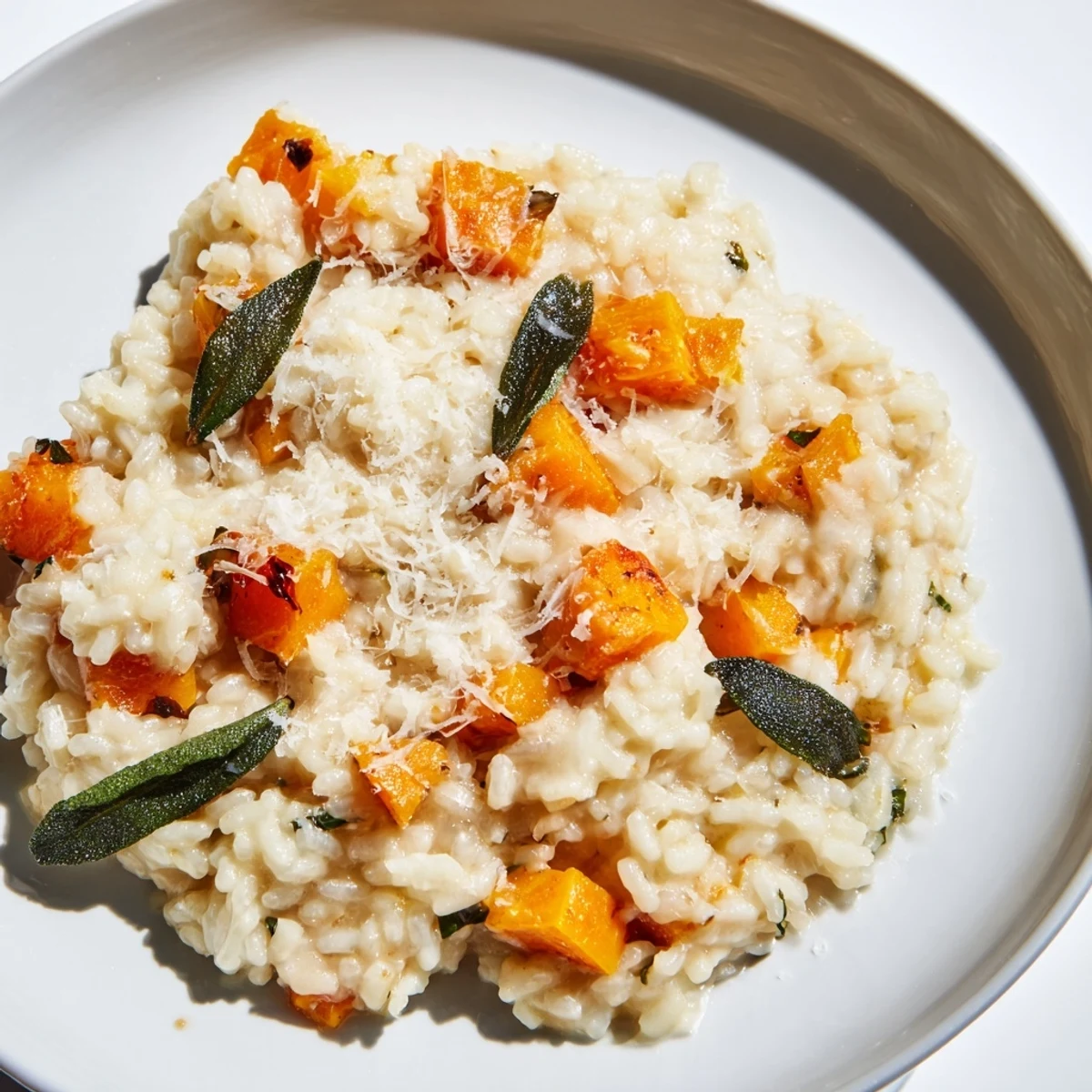
Save This comforting dish features tender roasted winter squash blended into creamy Arborio rice stirred with fragrant fresh sage and melted Parmesan cheese. The slow addition of warm vegetable broth and a splash of white wine create a luscious texture and mellow flavor. Butter enriches the finish, while a sprinkle of extra Parmesan and fresh sage add aroma and depth. Perfect for chilly nights, this medium-difficulty preparation highlights seasonal sweetness and herbaceous tones in every creamy bite.
There's something about the smell of sage hitting hot butter that makes me pause mid-chop and just breathe it in. I discovered this risotto on one of those first sharp October evenings when the kitchen finally felt warm in the way that mattered—not from the heating, but from the stove. The squash was golden before I even tasted it, and somehow the rice knew exactly when to stop being grainy and start being silk.
I made this for someone who had just moved into a new place with a kitchen they weren't sure about yet. Watching them stir the pot, gradually relaxing into the repetitive motion, the rice slowly turning creamy—it became less about feeding them and more about giving them permission to slow down. By the time we sat down to eat, the whole apartment smelled like home.
Ingredients
- Winter squash (butternut or acorn, about 1½ lbs): The roasting brings out natural sweetness and prevents the squash from turning to mush in the broth—you want it to hold its shape and offer little pockets of flavor.
- Arborio rice (1½ cups): This isn't about using what you have on hand; the starch in Arborio is what makes risotto creamy without cream, so it's non-negotiable.
- Yellow onion (1 medium): Finely chopped means it melts into the base and becomes the invisible foundation everything else sits on.
- Garlic (2 cloves): Minced small enough that it adds depth without announcing itself.
- Vegetable broth (5 cups): Keep it warm in a separate pot or kettle—cold broth will shock the rice and slow everything down.
- Dry white wine (½ cup): The acidity cuts through the richness and keeps the dish from feeling heavy; don't skip it or use cooking wine.
- Unsalted butter (3 tablespoons total): Divided strategically—some for the initial cooking, the rest for finishing to create that final creamy pull.
- Parmesan cheese (½ cup freshly grated): Freshly grated matters because pre-grated cheese has anticaking agents that won't melt as smoothly into the risotto.
- Fresh sage (2 tablespoons): Chopped just before you add it so the flavor stays bright and piney, not faded.
- Olive oil (2 tablespoons): One tablespoon for the squash roasting, one for the pan base—it keeps the butter from burning while building that sautéed foundation.
- Salt and black pepper: Season as you go, not all at once at the end.
Instructions
- Get the squash in the oven:
- Preheat to 400°F and toss your diced squash with the olive oil, salt, and pepper. Spread it on a baking sheet in a single layer so it roasts instead of steams—you're looking for edges that turn golden brown and a fork-tender inside, which takes about 20 to 25 minutes.
- Build your flavor base:
- Warm the remaining olive oil and 1 tablespoon of butter in your large saucepan over medium heat. The pan should feel hot but not violent—this is where you'll spend the next 40 minutes, so pick one you like being near. Toss in your finely chopped onion and let it soften and turn translucent, about 4 minutes, then add the garlic and cook for just 1 minute more until it's fragrant.
- Toast the rice:
- Stir the Arborio rice into the onion and butter, coating every grain. Keep stirring for about 2 minutes until the edges of the rice turn translucent and glassy while the center stays white and slightly chalky—this is toasting, and it sets up the texture you're after.
- Wake it up with wine:
- Pour in the dry white wine and stir until almost all of it is absorbed into the rice. You'll hear the sizzle soften, and the wine smell will fade as the alcohol cooks off.
- The patient part, the stirring part:
- Start adding your warm broth in ½ cup additions, stirring frequently and waiting until each addition is mostly absorbed before adding the next. This is not the time to step away and check your phone; the constant stirring keeps the starch from settling and helps create that creamy texture. After about 15 minutes of this rhythm, fold in the roasted squash and the fresh chopped sage.
- Know when it's done:
- Keep tasting around the 20 to 25 minute mark. The rice should be tender enough to bite through but still have a slight resistance—there's a specific moment when it goes from undercooked to perfect to mushy, and that moment lasts about 30 seconds. The overall texture should look creamy enough that when you drag a spoon through it, the risotto flows back slowly to fill the line.
- Finish with care:
- Pull the pan off the heat and stir in the remaining 2 tablespoons of butter and all the Parmesan cheese. The cheese will melt in threads, and the butter creates that final silky, flowing texture. Season generously with salt and freshly ground pepper—risotto needs more seasoning than you think it does.
- Serve immediately:
- Spoon it into warmed bowls while it still moves, and top with extra Parmesan and a few fresh sage leaves if you've got them.
 Save
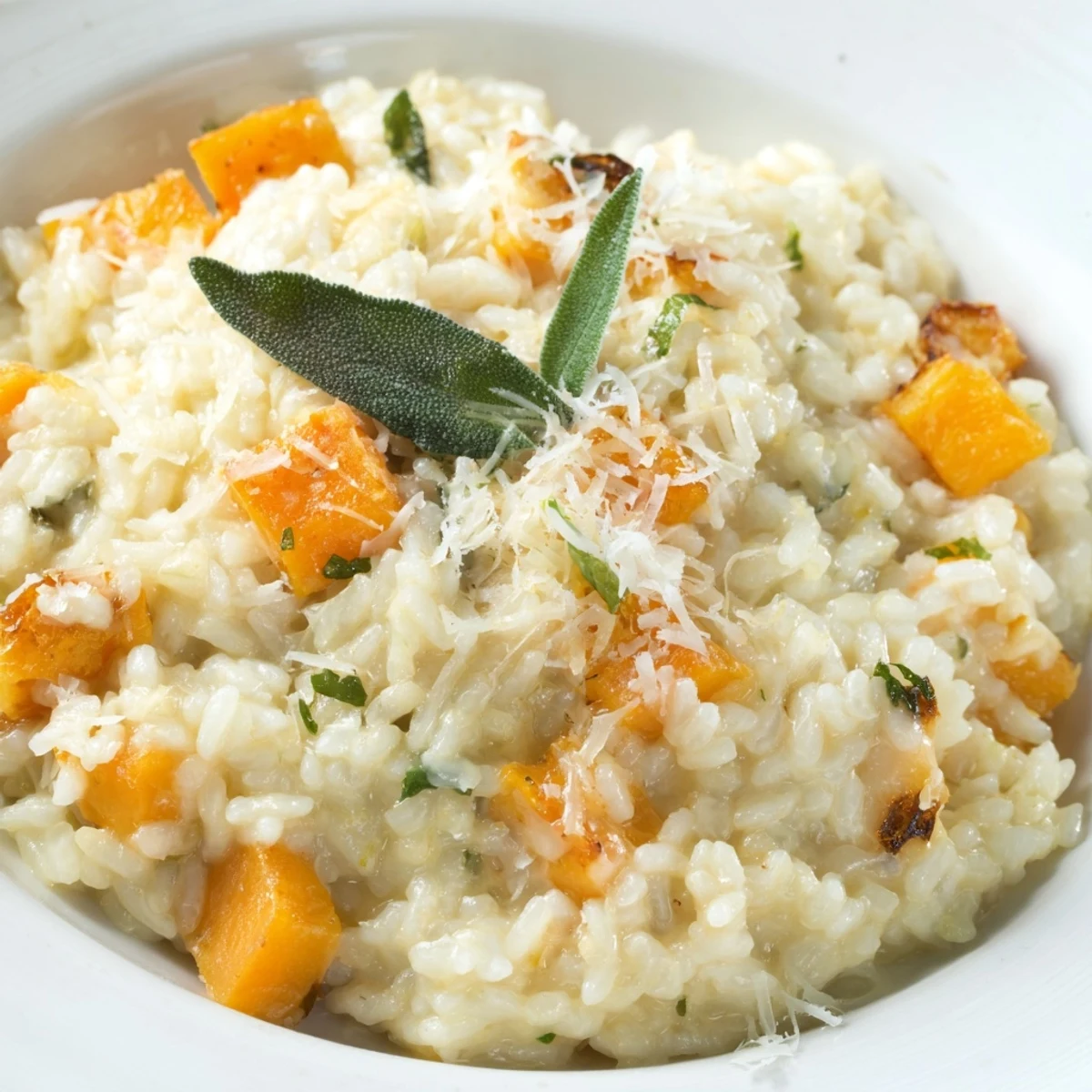
Save I made this on a Wednesday that had been too long, and while the rice slowly became creamy, I stopped thinking about the day and started thinking about sage and butter and the sound of a wooden spoon scraping the bottom of a warm pan. By the time I sat down with a bowl of it, I felt like I'd been cared for, even though I was doing the caring.
The Rhythm of Risotto
Risotto isn't complicated, but it does demand attention in a way that some cooking doesn't. The constant stirring isn't busy work—it's what transforms separate grains into something cohesive and creamy. Once you've made it once and felt the moment when the rice transitions from starchy to silky, you'll understand why it's worth those 25 minutes of presence. It's almost meditative if you let it be.
Variations and Swaps
Winter squash risotto is forgiving in some ways and specific in others. The squash can be butternut, acorn, or kabocha—each has a slightly different sweetness, but they all work. Sage is the heart here, but if you had thyme instead, it would still be good, just different. Pumpkin can stand in for squash if that's what you have. What you shouldn't swap is the rice, the broth temperature, or the finishing technique.
Serving and Pairing
This is the kind of dish that can be a full meal on its own, but it also plays well with others. A simple green salad with lemon vinaigrette cuts through the richness, and crusty bread to push the last of the risotto from bowl to mouth is non-negotiable. A glass of the same dry white wine you cooked with—Pinot Grigio, Vermentino, or even a light Sauvignon Blanc—becomes part of the experience. For those who want more protein, a piece of roasted chicken or pan-seared mushrooms on top work, though honestly, the risotto doesn't ask for company.
- Pair with a crisp dry white wine to echo the cooking wine and cut through the cream.
- A simple arugula salad with lemon juice and olive oil balances the richness beautifully.
- Fresh sage leaves fried quickly in butter and scattered on top add a final textural moment.
 Save
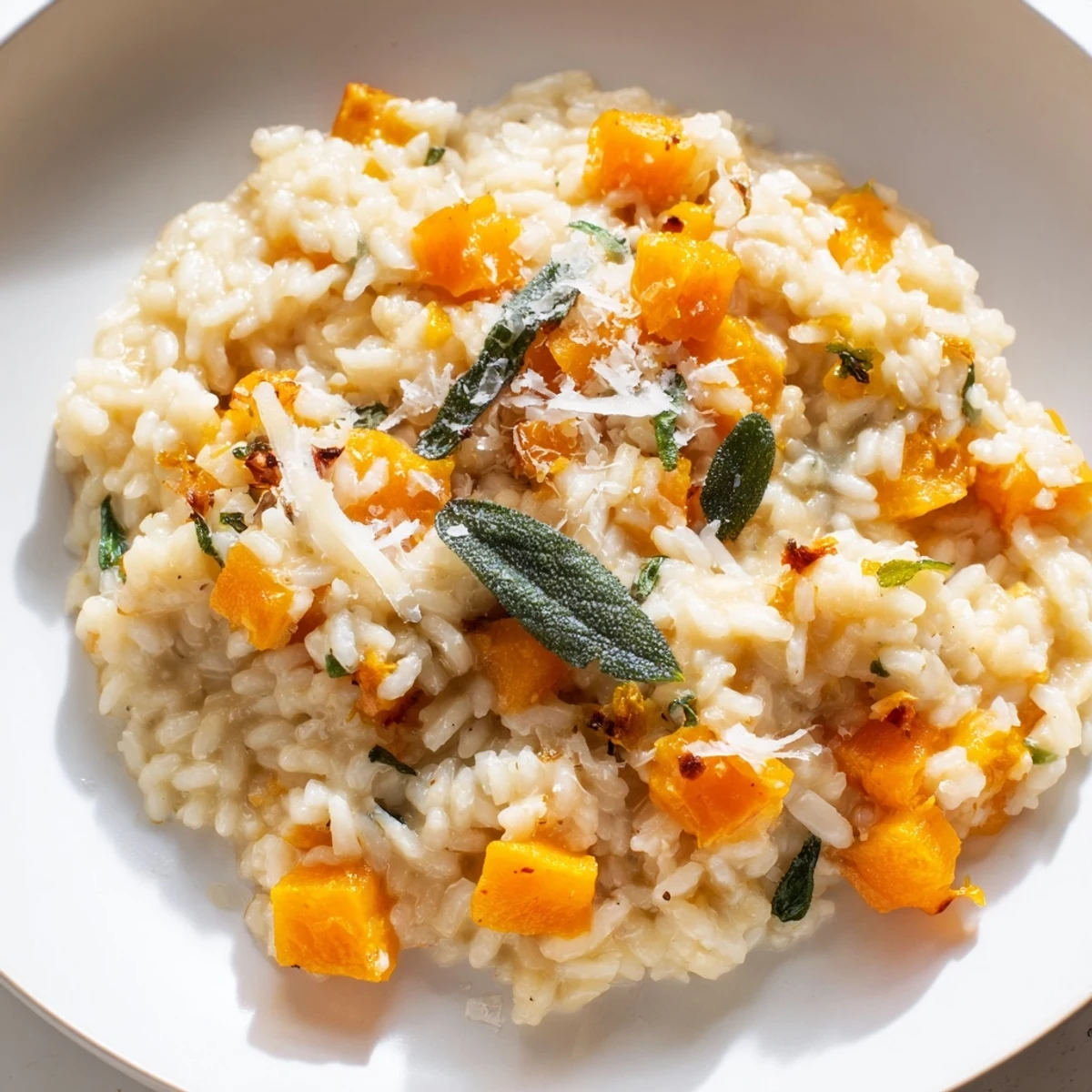
Save There's something about making risotto that makes you feel capable in the kitchen, even if you're still finding your way. Once you've made this once and watched the transformation happen, you'll make it again and again—for quiet evenings, for people who need comfort, for yourself on days when you need to remember that the good things take time and attention.
Recipe FAQs
- → What type of squash works best?
-
Small butternut or acorn squash offer sweetness and tender texture ideal for roasting and folding into the rice.
- → Can I use another herb besides sage?
-
Thyme or rosemary are good alternatives, providing earthy or piney notes that complement the squash and cheese.
- → How do I know when the risotto is done?
-
The rice should be creamy and tender but still slightly firm to the bite, not mushy, after about 20-25 minutes of gradual broth absorption.
- → Is it necessary to add wine?
-
White wine adds acidity and depth, but it can be omitted or substituted with lemon juice or additional broth if preferred.
- → How can I make this dish richer?
-
Stirring in a splash of cream near the end enriches the texture and adds silkiness without overpowering the flavors.