
 Save
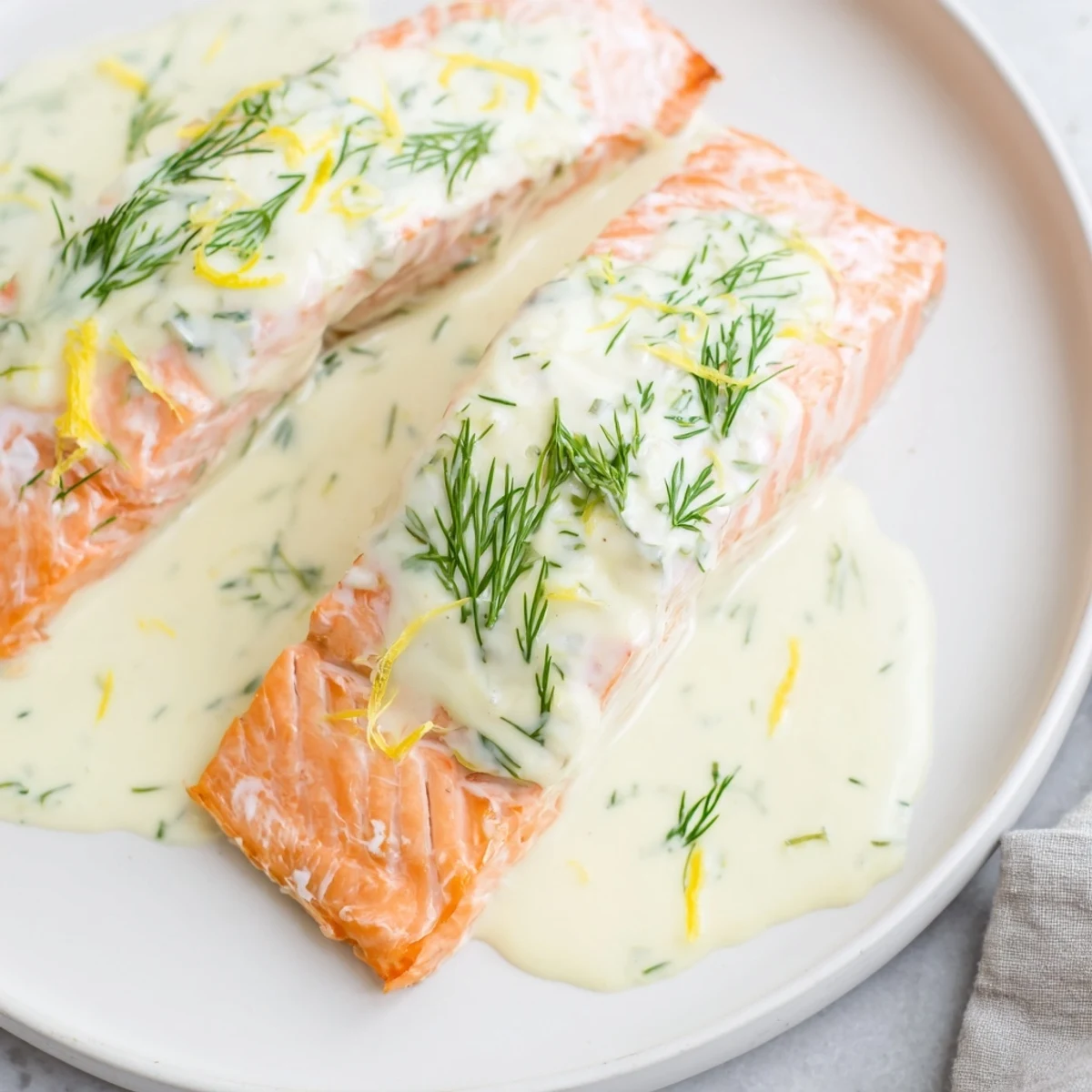
Save This dish features tender salmon fillets baked to juicy perfection and topped with a rich, creamy sauce combining fresh dill, lemon zest, and a hint of garlic. The sauce’s tangy lemon balances the delicate fish, creating a light yet flavorful meal ideal for weeknights or special occasions. Simple techniques and fresh ingredients make this dish both quick and elegant.
Baking the salmon ensures a moist texture while the sauce adds a smooth, herbaceous finish. Serve with vegetables or light sides for a balanced plate. The dish suits pescatarian diets and is naturally gluten-free.
There's something about the way salmon transforms under heat that still catches me off guard—one moment it's translucent and delicate, the next it's turned into something golden and substantial. I discovered this dish on a Tuesday evening when I had dinner guests arriving in an hour and nothing but a beautiful piece of fish and the vague memory of a cream sauce my neighbor once mentioned. What started as improvisation became the meal everyone asked me to make again.
My sister came over for a quiet dinner after a long week, and I made this without fanfare—just slid the plates in front of her. She didn't say much at first, just kept eating, then asked if I could teach her how to do it. Cooking something that lands that way, without needing explanation, felt like the best compliment.
Ingredients
- Salmon fillets (4, about 150–180 g each): Look for bright color and firm flesh; the skin helps keep them moist, but skinless works too if that's your preference.
- Olive oil: Just enough to coat the fish and help it bake evenly without drying out.
- Salt and freshly ground black pepper: Season generously on both sides—this is where flavor starts.
- Unsalted butter: Two tablespoons melted in the pan creates the base for your sauce.
- Garlic, finely minced (2 cloves): Don't skip mincing fine; bigger pieces can turn bitter if they cook too long.
- Heavy cream (200 ml): The luxurious foundation that carries all the other flavors.
- Lemon zest and juice (1 lemon, 2 tablespoons juice): Zest adds brightness without extra liquid; juice brings tang that cuts through the richness.
- Fresh dill, chopped (2 tablespoons plus garnish): Add it at the end so it stays vibrant green and doesn't lose its delicate flavor.
- Dijon mustard (1 teaspoon): A secret that nobody notices but everyone tastes—it deepens the whole sauce.
- Honey (1 teaspoon, optional): Just a touch to balance the tartness if your lemon is particularly sharp.
Instructions
- Set your oven and prep:
- Heat to 200°C and line your baking sheet with parchment paper or a light brush of oil. Cold salmon on cold parchment means it won't stick when it's time to plate.
- Prepare the salmon:
- Pat each fillet dry with paper towels—this helps the oil coat it properly instead of beading up. Lay them skin-side down, brush with olive oil, and season both sides with salt and pepper generously.
- Bake the fish:
- Slide into the oven for 12–15 minutes, depending on thickness. The center should look opaque and just barely flake when you press it gently; overcooked salmon turns mealy and nobody wants that.
- Build the sauce:
- While salmon bakes, melt butter in a medium saucepan over medium heat. Add garlic and let it smell incredible for about a minute, then pour in cream and bring it to a gentle simmer—don't let it boil hard or it might split.
- Layer the flavors:
- Stir in lemon zest, juice, mustard, and honey if using it. Let everything simmer together for 2–3 minutes so the flavors get to know each other, then taste and adjust salt and pepper.
- Finish with the herb:
- Add your chopped dill right at the end and remove from heat. If you cook dill too long it turns muddy and loses its bright personality.
- Plate and serve:
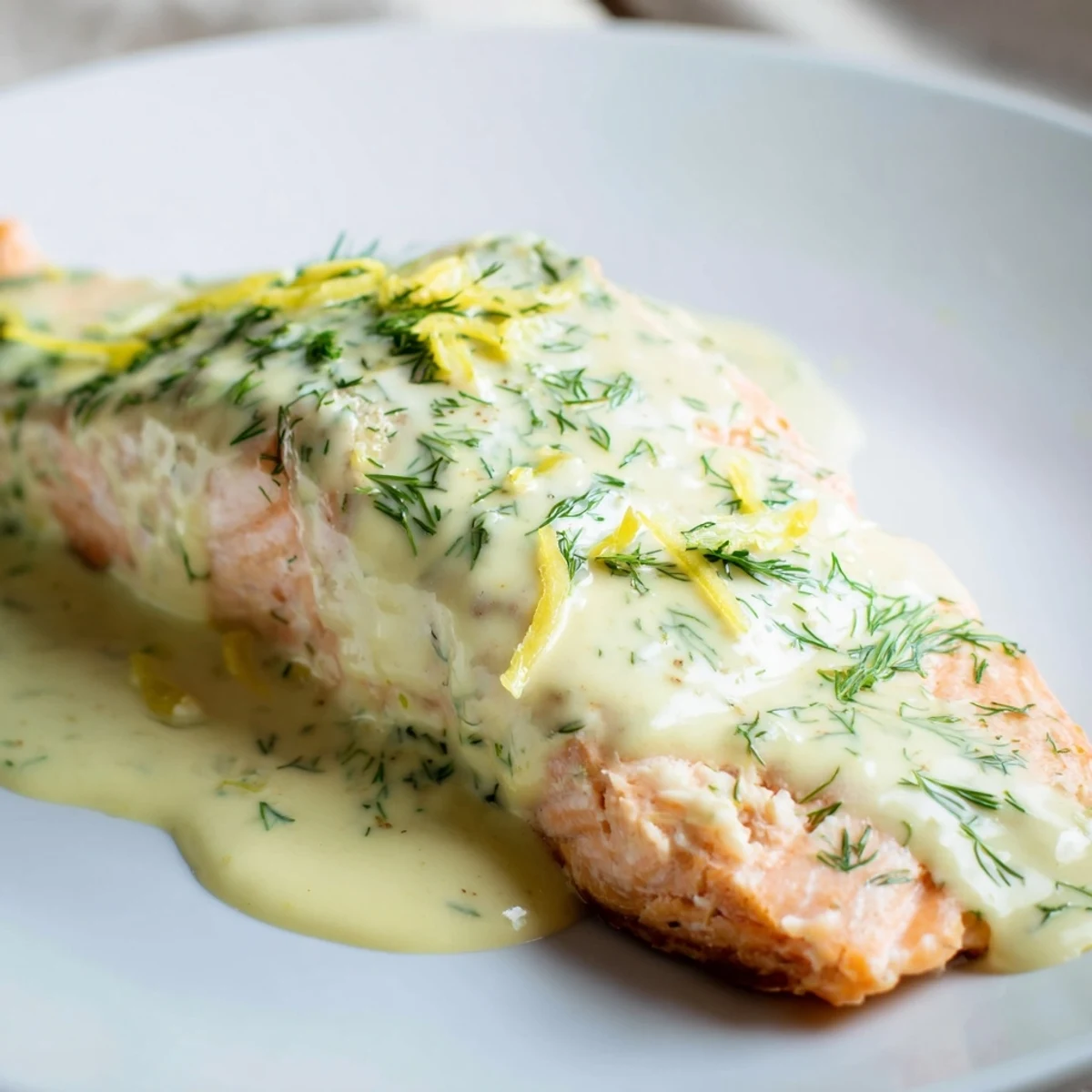
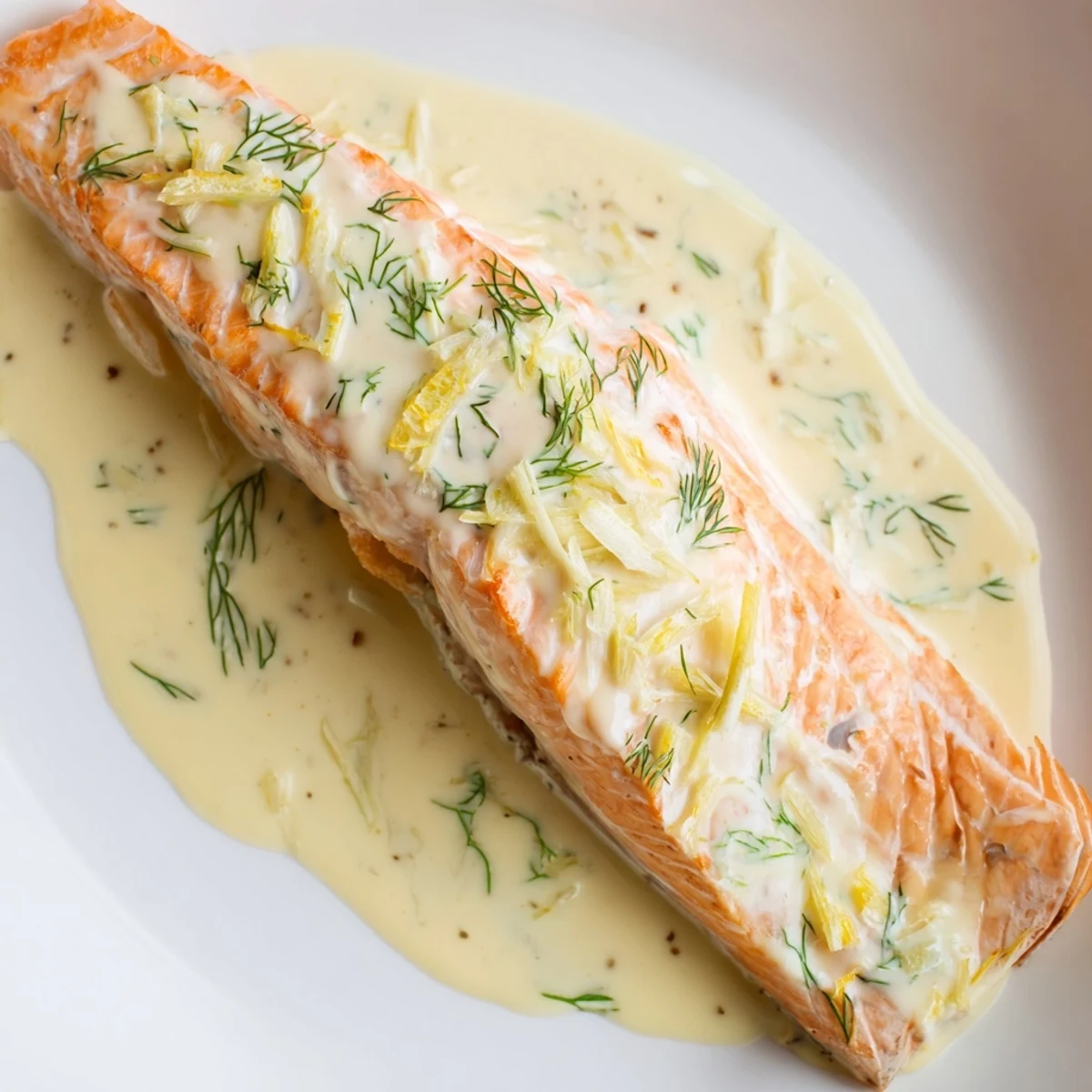
- Transfer salmon to plates, spoon that creamy sauce over each fillet, scatter extra dill on top, and serve immediately while everything is still warm.
 Save
Save The first time everything aligned perfectly—salmon baked golden, sauce creamy and balanced, dill still bright—I felt that quiet satisfaction that comes when improvisation actually works out. It reminded me that good food doesn't always require complicated steps, just attention and freshness.
Why This Sauce Works
The magic here is that cream is forgiving but lemon juice keeps it from feeling heavy. Dill has this natural affinity with fish that makes everything taste intentional, and that touch of mustard does something subconscious—it deepens flavors without announcing itself. Together they create something that tastes refined without pretending to be difficult.
Timing and Temperature
Salmon is forgiving at first, but overcooks quickly in the final minute, so set a gentle timer and check early if your fillets are particularly thick. The sauce happens fast once cream starts heating, so have your lemon and dill measured out before you begin. If one cooks faster than the other, just keep the faster one warm on a plate covered loosely with foil while the sauce finishes.
Serving and Pairing
Steamed asparagus or roasted potatoes alongside this dish feel natural and let the salmon be the star. A crisp green salad works equally well if you want something lighter. The sauce is creamy enough that it wants a crisp white wine—Sauvignon Blanc cuts through the richness perfectly, or Chardonnay if you prefer something rounder.
- Keep garnishes simple: extra fresh dill and maybe a lemon slice so it looks as good as it tastes.
- Make sure everything goes to the table while the sauce is still warm because that's when the flavors shine brightest.
- This isn't a dish that improves when reheated, so serve it fresh and don't overthink it.
 Save
Save This recipe teaches you something quietly important: that good food is mostly about respecting your ingredients and not overthinking it. Once you understand how this comes together, you'll find yourself making variations without thinking twice.
Recipe FAQs
- → What type of salmon works best for baking?
-
Fresh or thawed salmon fillets with or without skin can be used; skin-on adds extra crispiness when baked.
- → Can I prepare the dill and lemon sauce ahead of time?
-
Yes, you can prepare the sauce in advance and gently reheat it before serving to maintain its creamy texture.
- → How do I prevent the sauce from curdling?
-
Simmer the cream gently and remove from heat before adding yogurt or crème fraîche to avoid curdling.
- → What side dishes complement this salmon dish?
-
Steamed asparagus, roasted potatoes, or a fresh green salad pair wonderfully with the creamy dill lemon flavor.
- → Is this dish suitable for gluten-free diets?
-
Yes, all ingredients are naturally gluten-free, making it safe for gluten-sensitive diets.