
 Save
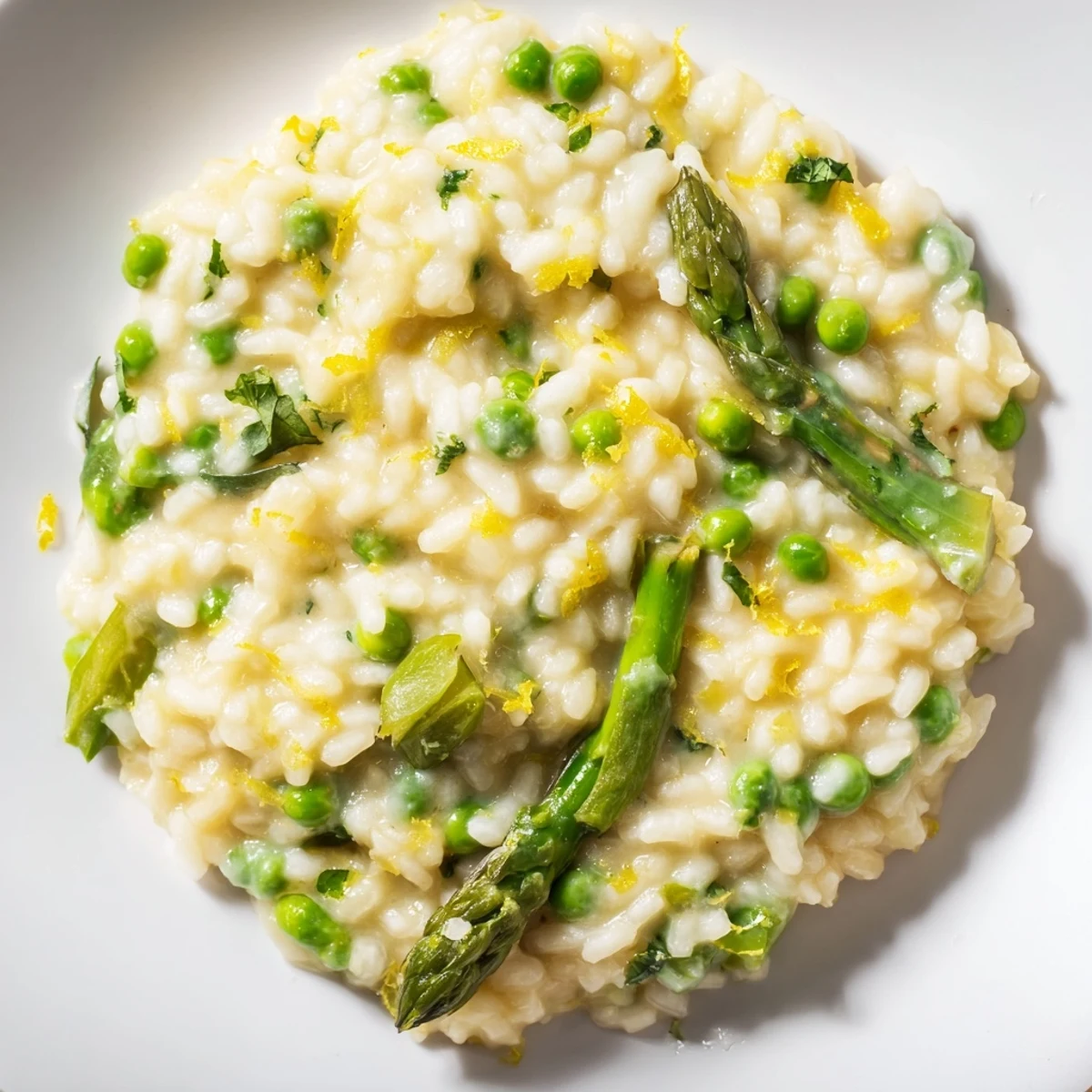
Save This dish showcases a creamy risotto enriched with fresh asparagus and sweet peas, balanced by a subtle touch of Parmesan. The Arborio rice is gently simmered in white wine and warm vegetable broth to achieve a perfectly smooth texture. Butter and optional cream deepen the luxurious feel, while a hint of lemon zest brightens the palate. Ideal for spring or anytime comfort is desired, this Italian-inspired main presents an elegant yet approachable meal.
The first time I made risotto properly, I stood at the stove for thirty minutes straight, adding broth ladle by ladle, wondering if all this stirring was actually necessary. Then I took that first bite—creamy, the rice perfectly tender with just a hint of bite—and understood why people treat this dish like meditation.
I served this at a small dinner party last April when asparagus was finally in season. My friend Sarah, whod sworn she hated risotto after a glutinous restaurant experience years ago, went back for seconds and asked for the recipe before shed even finished her plate.
Ingredients
- 1 bunch fresh asparagus: Look for tight, compact tips and firm stalks. The woody ends trim off easily, and those 2 cm pieces cook right alongside the rice.
- 1 cup frozen or fresh peas: Frozen peas work beautifully here and actually retain their sweet color better than fresh ones that might turn gray during cooking.
- 1 medium onion: Finely chopped so it melts into the rice foundation. A sharp knife and steady hand make all the difference here.
- 2 cloves garlic: Minced finely. You want its fragrance to bloom without any harsh bites.
- 1 ½ cups Arborio rice: This short-grain rice is what creates that signature creaminess. Do not substitute long-grain rice or you will miss the point entirely.
- 4 cups vegetable broth: Keep it warm in a separate pot. Adding cold broth drops the temperature too dramatically and affects the rice texture.
- ½ cup dry white wine: Something you would actually drink. The alcohol cooks off but the acidity stays and cuts through all that richness.
- 3 tablespoons unsalted butter: Divide this mentally—2 tablespoons for starting, 1 tablespoon for finishing. This last bit is what creates that restaurant quality sheen.
- ¾ cup freshly grated Parmesan: Grate it yourself. Pre-grated cheese has anti-caking agents that prevent it from melting properly into the rice.
- 2 tablespoons heavy cream: Completely optional but if you want that over the top velvety texture, this is your secret weapon.
- Salt and pepper: Taste as you go. The Parmesan adds saltiness, so adjust accordingly.
- Zest of 1 lemon: This brightens everything. Use a microplane if you have one, or a fine grater works just as well.
Instructions
- Build your flavor foundation:
- Melt 2 tablespoons of butter in a large heavy-bottomed saucepan over medium heat. Add the chopped onion and cook for 3 to 4 minutes until it turns translucent and fragrant. Stir in the garlic and let it cook for just 1 minute more—you want it aromatic, not browned.
- Toast the rice:
- Add the Arborio rice to the pan and cook, stirring constantly, for about 2 minutes. Watch for the grains to become slightly translucent at the edges and smell nutty. This step prevents the rice from turning mushy later.
- Deglaze with wine:
- Pour in the white wine and let it simmer, stirring, until almost fully absorbed. The kitchen will start to smell incredible right about now.
- Begin the gradual broth addition:
- Add warm vegetable broth one ladleful at a time, stirring gently and allowing each addition to absorb before adding the next. Continue this process for about 15 minutes. Put on some music—this is the meditative part.
- Add your spring vegetables:
- Stir in the asparagus pieces and peas. Continue adding broth and stirring until the rice is creamy and al dente with a slight bite in the center, and the vegetables are tender, about 8 to 10 minutes more.
- Finish with indulgence:
- Remove from heat. Stir in the remaining butter, Parmesan cheese, and heavy cream if using. The risotto should look loose and almost soupy—it will tighten up quickly. Season with salt, pepper, and lemon zest if desired.
- Let it rest briefly:
- Cover and let rest for 2 minutes. This allows everything to settle. Serve immediately, garnished with extra Parmesan, and watch people fall silent.
 Save
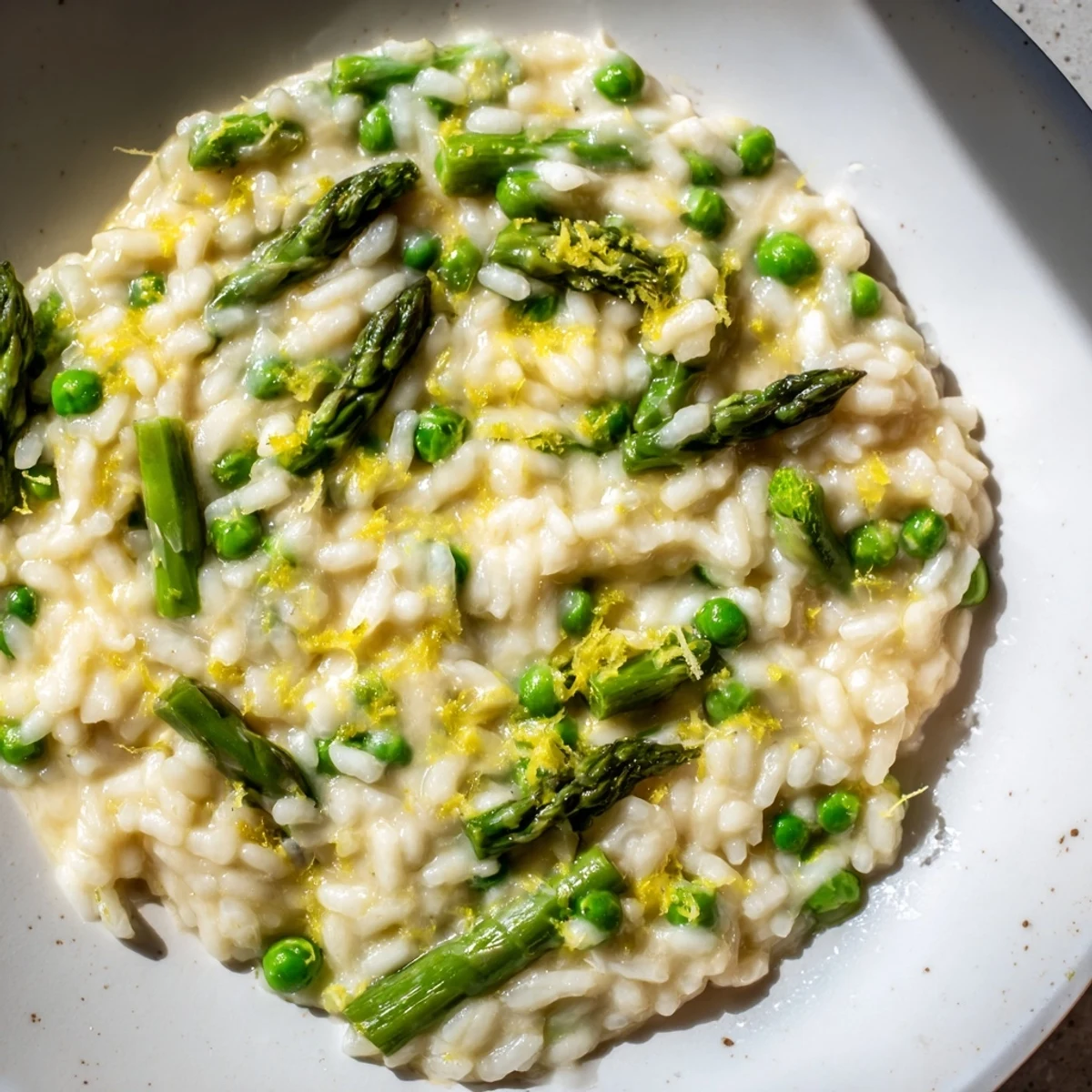
Save This recipe has become my go to when someone needs comforting but I still want it to feel special. Something about the combination of stirring and the gradual transformation feels like therapy in a bowl.
The Secret to Perfect Texture
Keeping your broth warm in a separate pot makes all the difference. Each addition should be at a similar temperature to the rice so the cooking continues steadily without shocking the grains. Cold broth slows everything down and affects how the rice releases its starch.
Wine Pairing That Works
A crisp Sauvignon Blanc or Pinot Grigio cuts beautifully through the rich, creamy texture of the risotto. The same wine you cook with works perfectly alongside it. Pour yourself a glass while you stir—you will be standing there a while anyway.
Make It Your Own
Once you have the basic technique down, this risotto becomes a canvas. Consider fresh herbs like parsley or mint stirred in at the very end. A handful of pea shoots or shaved asparagus ribbons on top looks stunning and adds a fresh bite.
- Vegan butter and nutritional yeast or plant-based Parmesan work surprisingly well
- Adding shaved asparagus ribbons as a garnish makes restaurant worthy presentation
- The lemon zest is not optional if you want the flavors to really sing
 Save
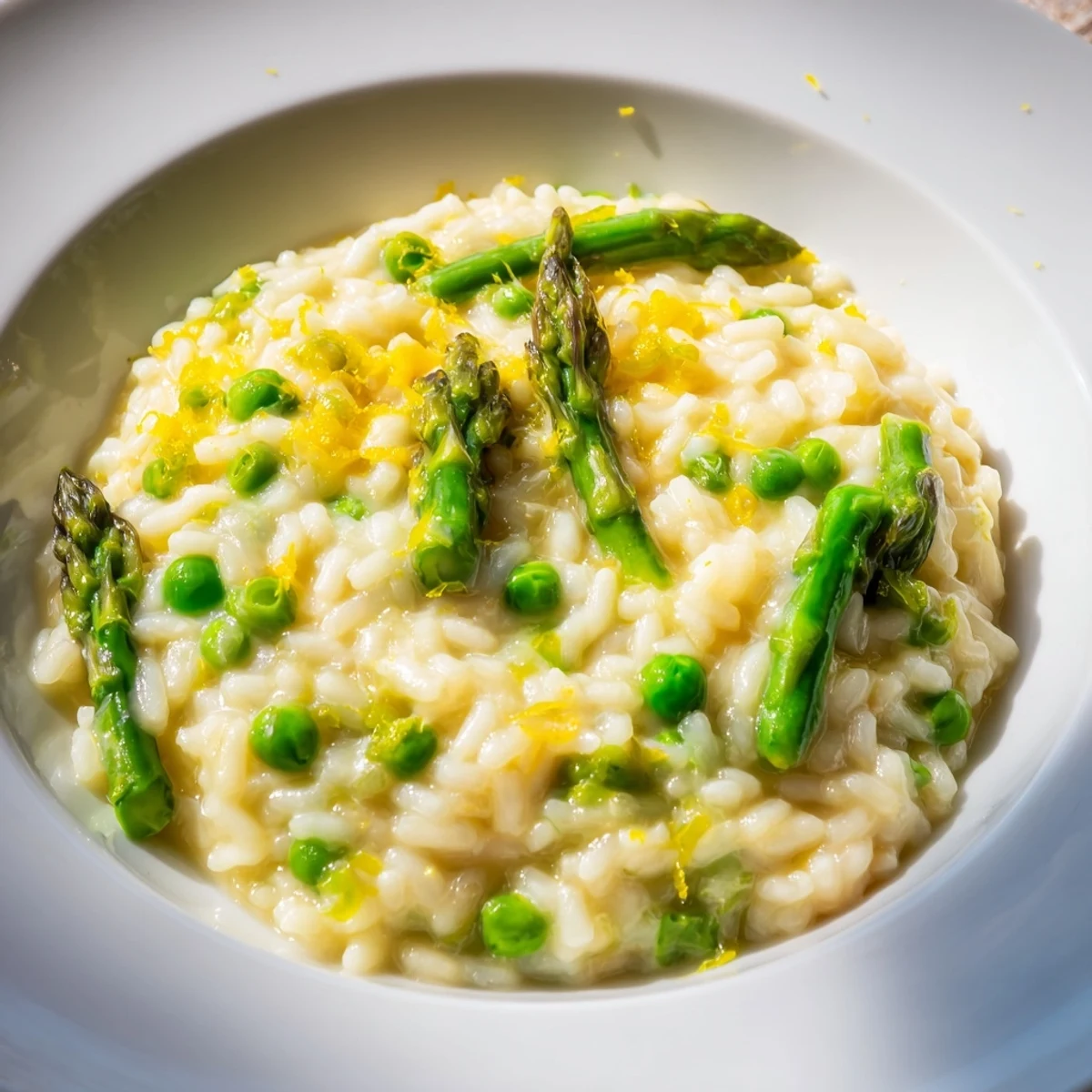
Save There is something deeply satisfying about a dish that rewards patience so generously. This risotto never fails to make even an ordinary Tuesday feel like a celebration.
Recipe FAQs
- → How can I tell when the risotto is done?
-
Look for a creamy consistency with rice grains that are tender but still have a slight bite (al dente).
- → Can I use fresh or frozen peas?
-
Both fresh and frozen peas work well; frozen peas should be added towards the end to avoid overcooking.
- → What is the role of white wine in this dish?
-
White wine adds acidity and depth, enhancing the flavor profile of the risotto while helping to release starch from the rice.
- → Is heavy cream necessary for creaminess?
-
Heavy cream is optional; the risotto’s creaminess primarily comes from proper stirring and butter combined with Parmesan.
- → How do I keep the asparagus tender but not mushy?
-
Add asparagus pieces mid-way during cooking so they stay bright and tender without becoming overly soft.
- → What herbs pair well with this dish?
-
Fresh parsley or mint complement the flavors nicely, adding freshness and a subtle herbal note.