
 Save
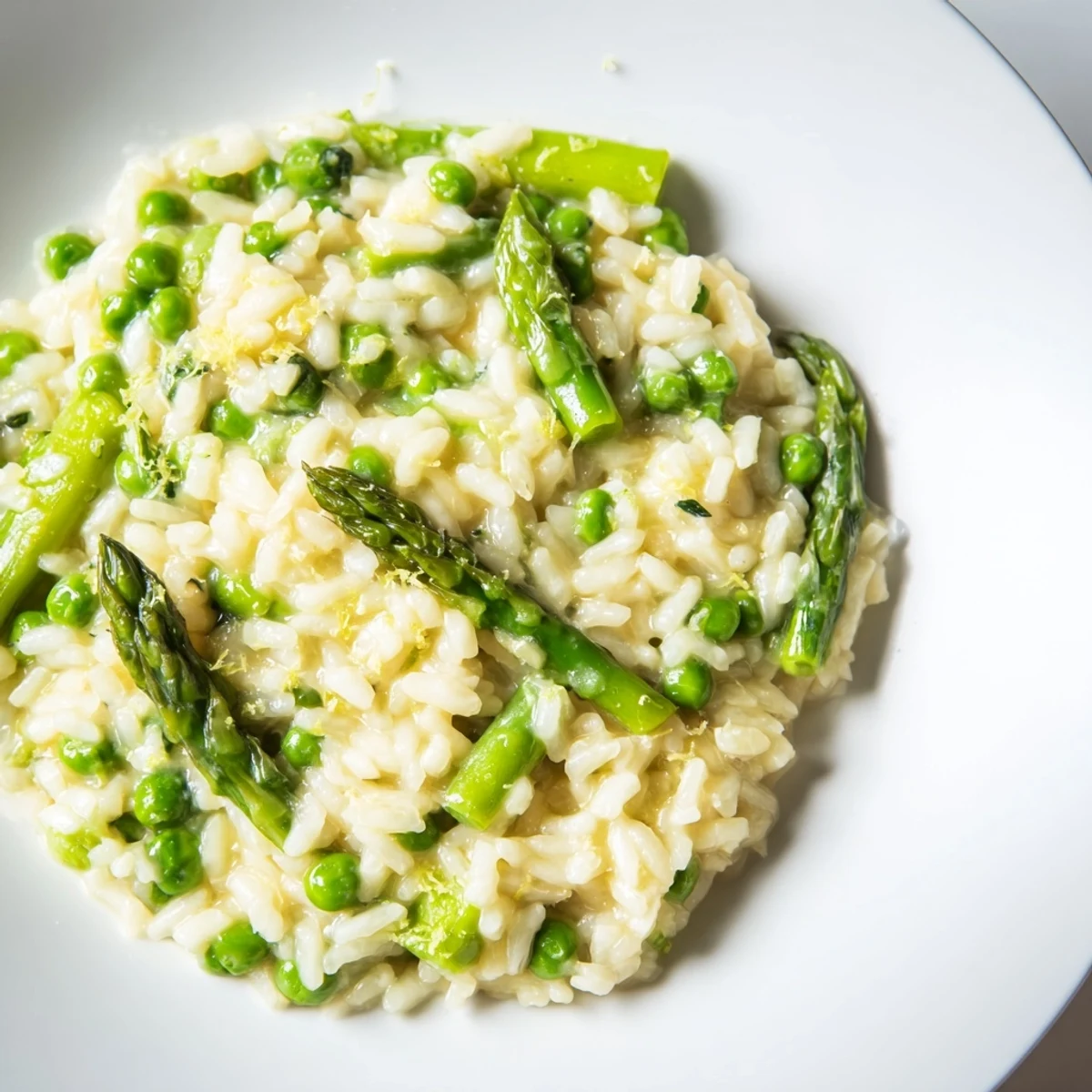
Save This dish brings together tender asparagus, sweet peas, and Arborio rice cooked to creamy perfection. White wine and warm vegetable stock slowly absorb into the rice, yielding a rich, velvety texture. Butter, Parmigiano Reggiano, heavy cream, and lemon zest add layers of flavor and silkiness, highlighting fresh spring ingredients. The mixture is gently stirred throughout cooking to achieve the ideal al dente bite and creamy consistency. Optional garnishes include chives or parsley for freshness and sautéed asparagus tips for extra aroma.
Last April, my neighbor handed me a bag of freshly picked peas from her garden and said these needed to be eaten today, not tomorrow. I had asparagus threatening to go limp in my fridge and a half-open bottle of white wine sitting on the counter from the night before. That happy accident of ingredients became the first version of this risotto, and I've been making it ever since.
I made this for a dinner party during that first week of warm weather when everyone's desperate to eat something that doesn't feel heavy and wintery. My friend Sarah, who claims she hates risotto because it's too rich, went back for seconds and asked me to write down the recipe on a napkin before she left.
Ingredients
- Asparagus: The woody ends need to go, but don't toss them too aggressively, they're more tender in spring than you think
- Fresh or frozen peas: Fresh peas are wonderful but frozen peas work beautifully here since they're flash-frozen at peak sweetness
- Yellow onion: Finely chopped so it melts into the rice rather than leaving identifiable chunks
- Garlic: Minced finely because burnt garlic bits will ruin the delicate flavor of this dish
- Lemon zest: This brightens everything up without making the risotto taste citrusy
- Arborio rice: Short-grain rice is non-negotiable here, long-grain rice simply won't release enough starch
- Vegetable stock: Keep it warm in a separate pot so you don't shock the rice with cold liquid
- Dry white wine: Something you'd actually drink, because the flavor concentrates as it cooks down
- Olive oil: For the base, but butter later for that restaurant-style finish
- Unsalted butter: Room temperature so it melts into the risotto without cooling it down
- Parmigiano Reggiano: The real stuff makes a difference here, freshly grated yourself
- Heavy cream: Just a splash brings everything together into that velvety consistency
- Fresh chives or parsley: That final pop of green and freshness that makes the dish look finished
Instructions
- Build your flavor foundation:
- Heat olive oil in your largest heavy-bottomed pan over medium heat, then add the chopped onion and stir occasionally until it turns completely translucent, about 3 minutes. Stir in the garlic and let it cook for just 1 minute until fragrant, watching carefully so it doesn't brown.
- Toast the rice:
- Add the Arborio rice to the pan and cook, stirring constantly, until every grain is coated in oil and you can see them becoming slightly translucent at the edges, usually about 2 minutes. This step helps the rice hold its texture while still getting creamy.
- Add your first liquid:
- Pour in the white wine and stir until the rice has absorbed nearly all of it, leaving the kitchen smelling like something good is happening. You should hear the rice making those signature clicking sounds against the pan.
- Begin the rhythm of risotto:
- Add one ladle of hot stock at a time, stirring frequently and waiting until each addition is almost completely absorbed before reaching for the next ladle. Keep this going for about 15 minutes, letting the starch release slowly into the liquid.
- Add the vegetables:
- Stir in the asparagus pieces and continue with your stock-adding routine for another 5 minutes, then add the peas. Keep cooking and stirring until the rice is creamy but still has a slight bite in the center and the vegetables are tender, about 20 to 25 minutes total from that first ladle of stock.
- The finish that matters:
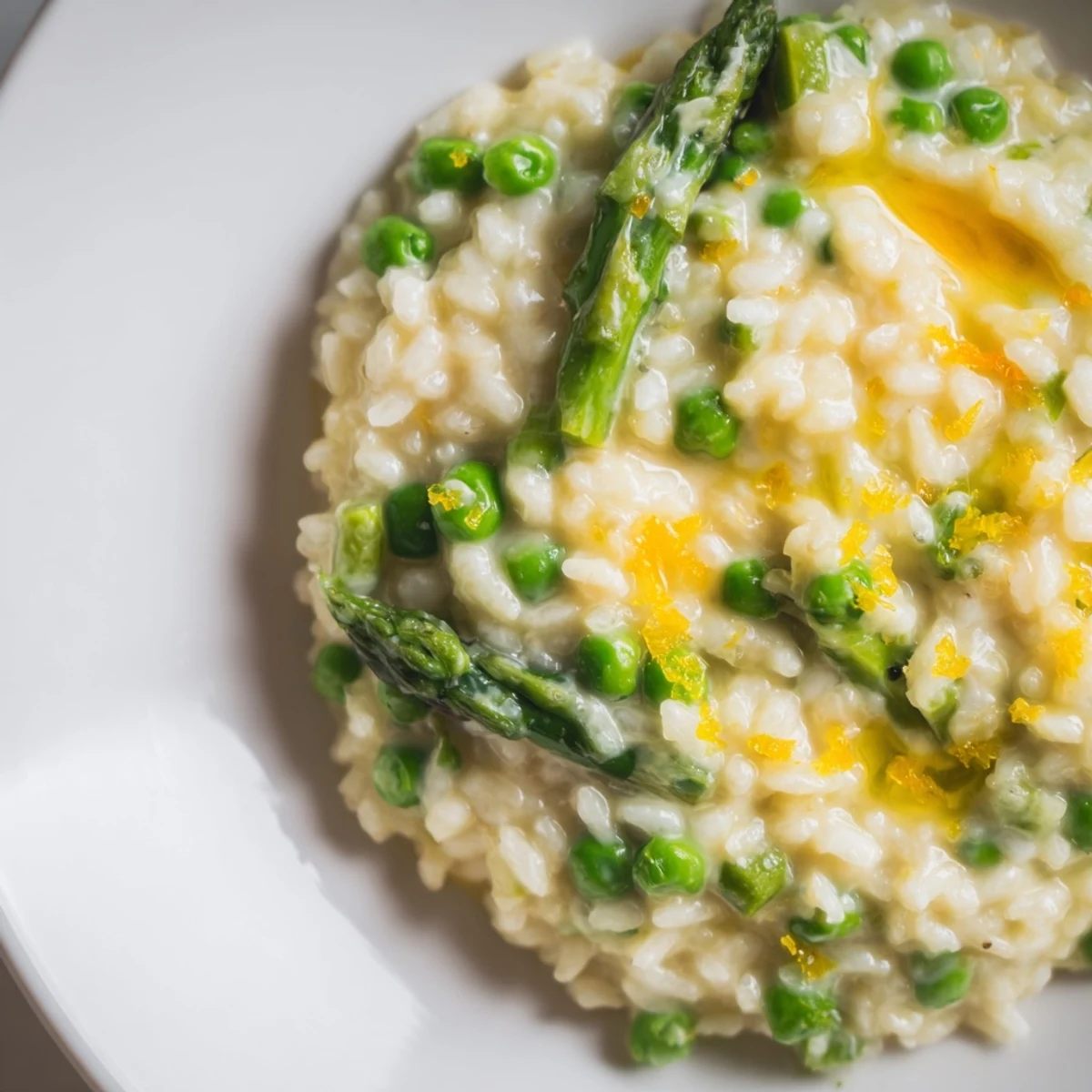
- Remove the pan from heat completely, then stir in the butter, Parmigiano Reggiano, heavy cream, and lemon zest. Let it rest for exactly 2 minutes before serving, which allows everything to come together into that restaurant consistency.
 Save
Save This became my go-to for spring birthdays, the kind of meal that feels special without requiring hours of prep or exotic ingredients. Last year I made it for my mom's birthday and she told me it was better than the version she'd had at a restaurant in Milan the previous spring.
Making It Your Own
Sometimes I'll add a handful of fresh mint along with the peas, which gives the whole dish an unexpected brightness that people can never quite identify. The mint pairs beautifully with both the peas and the lemon zest, creating layers of flavor that feel sophisticated but still approachable.
The Vegetable Timing
I've learned that adding the asparagus before the peas is crucial because they take slightly longer to become tender without turning mushy. The peas only need about 5 minutes, and if you add them too early they'll lose that sweet pop that makes them so wonderful in the first place.
Serving Suggestions
This risotto is substantial enough to stand alone as a main course, but I sometimes serve it alongside a simple arugula salad dressed with nothing but lemon juice and olive oil. The peppery greens cut through the richness and complete the meal perfectly.
- A crisp white wine like Sauvignon Blanc will echo the bright flavors
- Keep extra Parmesan at the table because everyone will want more
- Leftovers reheat surprisingly well with a splash of water or stock
 Save
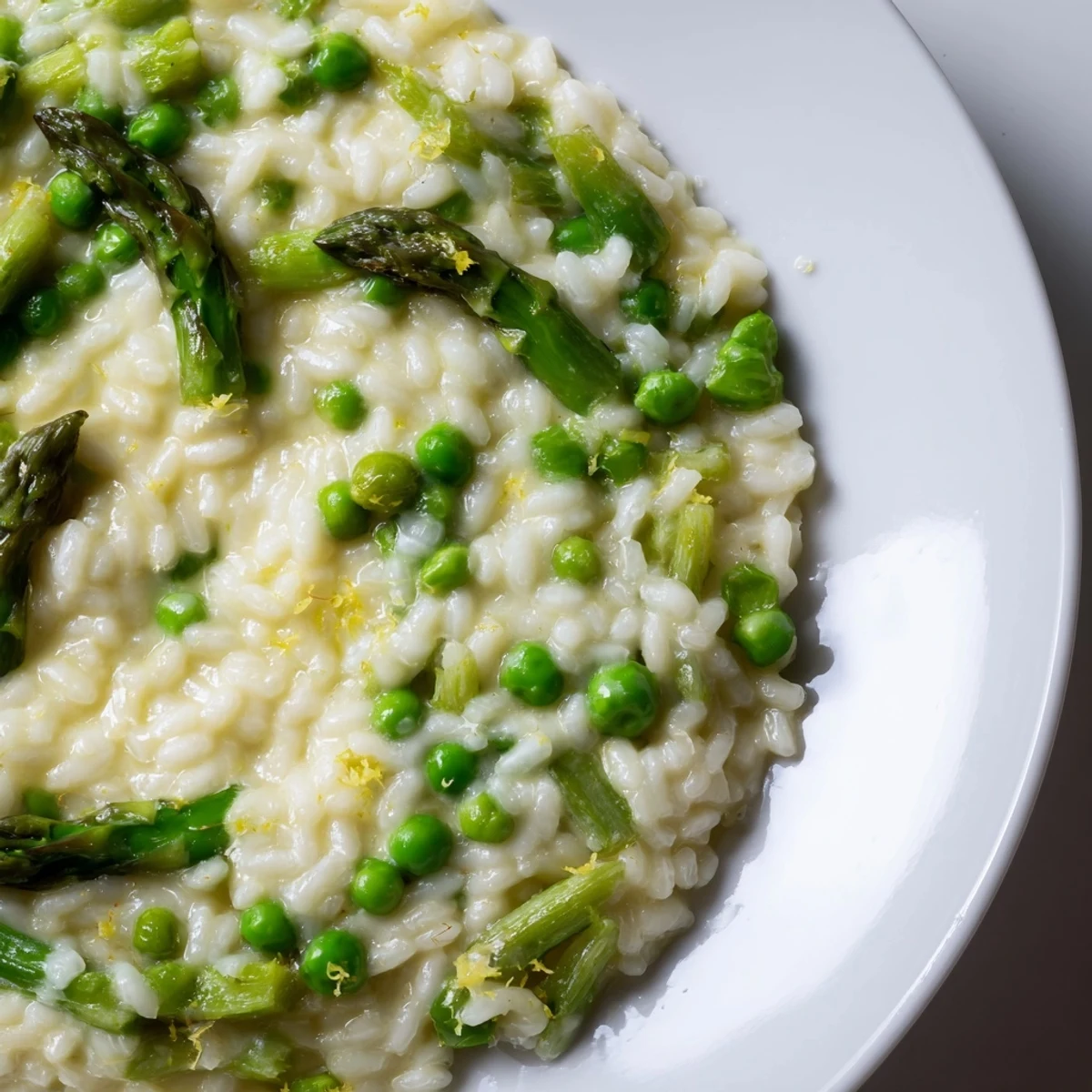
Save There's something deeply satisfying about cooking with ingredients that taste exactly like the season they came from, and this risotto captures that fleeting moment when spring feels full of possibility.
Recipe FAQs
- → How do I achieve the perfect creamy texture?
-
Slowly ladle warm stock into the rice, stirring frequently to release starch and create creaminess without adding actual cream until the end.
- → Can I use frozen peas instead of fresh?
-
Yes, frozen peas work well and can be added towards the end of the cooking process for a bright, sweet flavor.
- → What type of wine pairs well with this dish?
-
Dry white wines like Sauvignon Blanc or Pinot Grigio complement the fresh, vegetal notes nicely.
- → How do I keep asparagus tender but not mushy?
-
Add asparagus pieces midway through cooking to retain some bite and vibrant color without overcooking.
- → Can this dish be adapted for vegan diets?
-
Use plant-based butter and cream alternatives, and omit the Parmigiano Reggiano for a delicious vegan version.