 Save
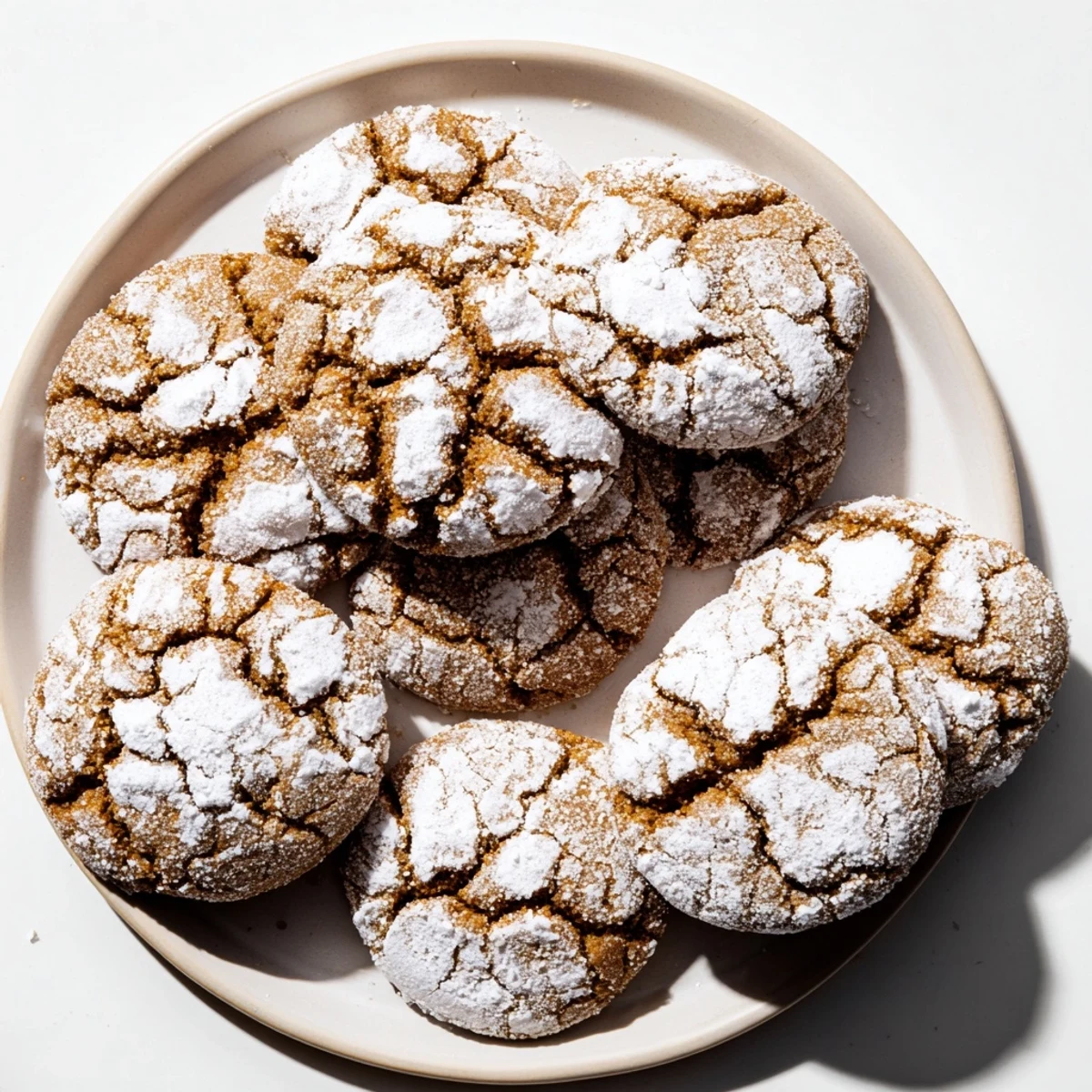
Save These soft gingerbread treats feature a classic crinkle pattern created by rolling dough in granulated and powdered sugar before baking. The warm combination of ginger, cinnamon, cloves, and nutmeg creates authentic holiday flavor, while molasses provides deep richness and chewy texture. The dough requires 30 minutes of chilling time, making these perfect for preparing ahead during busy holiday seasons.
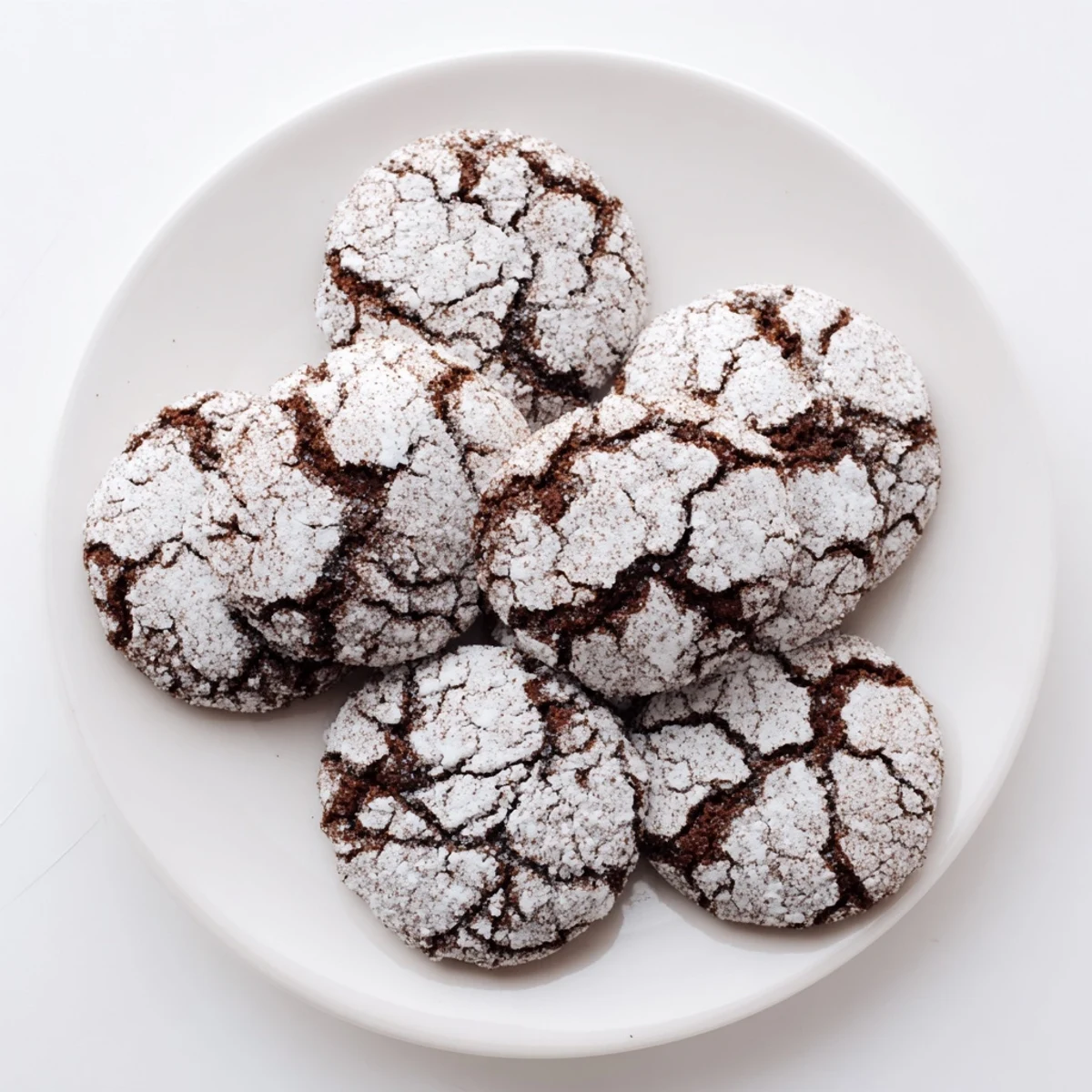
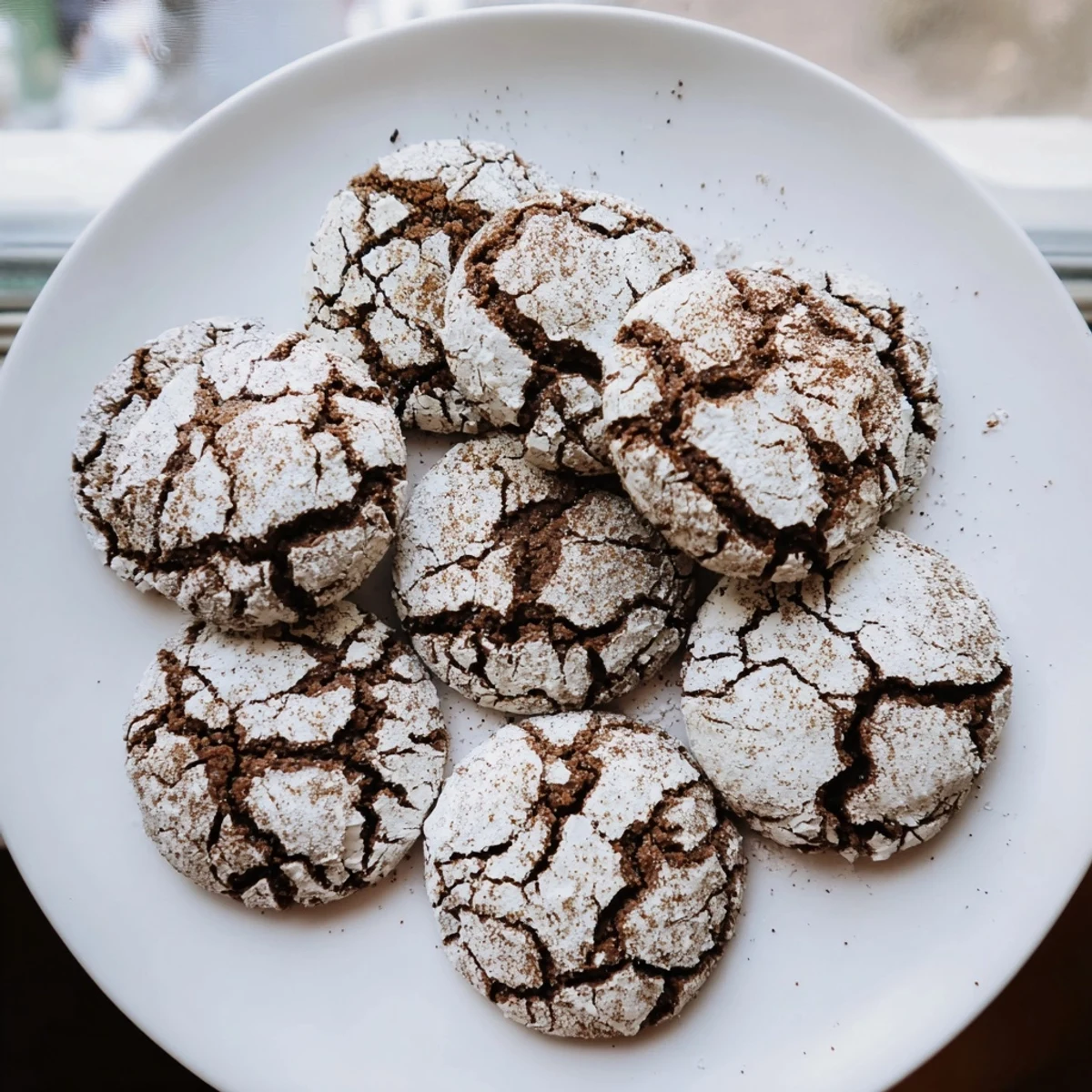
The double-sugar coating technique creates the signature cracked appearance as the cookies spread in the oven. Each bite delivers soft centers with slightly crisp edges, coated in sweet powdered snow. These pair beautifully with hot chocolate, coffee, or spiced tea for winter gatherings.
My kitchen smelled like a spice shop explosion the first time I made these—ginger and cinnamon hanging in the air, making the whole house feel like December even though it was barely November. I'd been craving that distinct molasses warmth you only get from real gingerbread, not the ginger snaps that try too hard. The powdered sugar crackle pattern fascinated me, like snow-capped mountains appearing in the oven. Now they're the cookie that disappears fastest at every holiday gathering.
Last year my neighbor texted me at 9pm asking what I was baking because the aroma had drifted through our shared wall. I brought over a warm plate and she sat on her kitchen counter eating them straight from the napkin. Now every December she casually asks if I'm doing any holiday baking, which I've learned means she's expecting her annual batch.
Ingredients
- All-purpose flour: Forms the structure that holds those beautiful cracks together
- Baking soda: Creates the lift that makes the surface split open for that signature crinkle
- Ground ginger: The star spice that gives these their unmistakable kick
- Cinnamon: Rounds out the heat with sweet warmth
- Cloves and nutmeg: Deep background notes that make the spice blend sing
- Unsalted butter: Room temperature is non-negotiable here for proper creaming
- Packed brown sugar: Adds moisture and that caramel undertone we love
- Unsulphured molasses: Do not skip or substitute—this is the soul of the cookie
- Large egg: Binds everything while adding richness
- Vanilla extract: Bridges the gap between the spices and sweet elements
- Granulated sugar: First rolling layer creates the base for crackling
- Powdered sugar: The final coating that makes those dramatic white lines appear
Instructions
- Whisk the dry team:
- In a medium bowl, combine flour, baking soda, ginger, cinnamon, cloves, nutmeg, and salt until everything is evenly distributed.
- Cream the butter and sugar:
- Beat butter and brown sugar in a large bowl for 2 to 3 minutes until the mixture turns pale and fluffy like vanilla frosting.
- Add the wet ingredients:
- Pour in molasses, egg, and vanilla extract, beating until the mixture looks smooth and glossy.
- Combine everything:
- Gradually mix in the dry ingredients just until you no longer see streaks of flour—overmixing makes tough cookies.
- Chill the dough:
- Cover and refrigerate for at least 30 minutes because cold dough creates the best crinkle effect.
- Preheat your oven:
- Heat to 350°F and line two baking sheets with parchment paper for easy cleanup.
- Scoop and roll:
- Form tablespoon portions into balls, then coat each first in granulated sugar followed by a generous layer of powdered sugar.
- Bake to perfection:
- Place cookies 2 inches apart and bake for 10 to 12 minutes until set but still slightly soft in the center.
- Cool completely:
- Let them rest on the baking sheet for 5 minutes before moving to a wire rack to finish cooling.
 Save
Save My daughter asked if we could make snow cookies last winter, and I realized these were exactly what she meant. She dipped each one in powdered sugar until her hands were completely white, grinning like she'd discovered magic. Now whenever it snows, she asks if it's gingerbread crinkle weather yet.
Getting The Perfect Crinkle
The science behind those beautiful cracks is all about temperature contrast. Cold dough hitting a hot oven expands quickly while the sugary surface sets fast, causing it to split apart dramatically. I've learned that rushing the chilling step is the fastest way to end up with smooth, disappointed cookies.
Making Them Ahead
Scoop the dough balls and freeze them on a baking sheet before transferring to a storage bag. When you're ready to bake, let them sit at room temperature for 10 minutes then roll in sugars. This trick saved me last Christmas Eve when unexpected guests showed up.
Serving Suggestions
These cookies deserve to be served with something warm and comforting. The spices play beautifully against hot chocolate, especially if you stir in a candy cane. They're also perfect alongside a strong coffee or spiced tea after dinner.
- Stack them in a clear tin with parchment between layers for gifting
- Pair with vanilla ice cream for an unexpected dessert sundae
- Keep a batch in the freezer for emergency holiday cheer
 Save
Save These cookies have become my December tradition, the ones that make the house feel like the holidays finally arrived. May your kitchen smell like ginger and your cookie jar stay mysteriously empty.
Recipe FAQs
- → Why do these cookies crack during baking?
-
The crinkle effect occurs because the dough balls are rolled in granulated sugar first, then coated in powdered sugar. As the butter melts and the dough spreads in the oven, the powdered sugar layer cracks apart, creating the signature fissured appearance.
- → Can I skip the chilling time?
-
Chilling the dough for at least 30 minutes is essential. It prevents excessive spreading during baking, helps develop the flavors, and makes the dough easier to handle when rolling in sugar. For best results, chill the full 30 minutes or overnight.
- → What makes authentic gingerbread flavor?
-
Unsulphured molasses provides the deep, rich flavor characteristic of traditional gingerbread. The combination of ground ginger, cinnamon, cloves, nutmeg, and brown sugar creates the warm spice profile. Substituting molasses with honey or maple syrup will alter the authentic taste.
- → How do I know when they're done baking?
-
Bake for 10-12 minutes at 350°F. The cookies are done when the edges are set but the centers still appear slightly soft. They will continue cooking on the hot baking sheet during the 5-minute cooling period. Overbaking results in crisp rather than chewy cookies.
- → Can I freeze the dough or baked cookies?
-
Yes, both freeze well. Form chilled dough into balls and freeze in an airtight container for up to 3 months. Roll in sugars just before baking, adding 1-2 minutes to the baking time. Baked cookies can be frozen for up to 2 months and thawed at room temperature.
- → Why roll in granulated sugar before powdered sugar?
-
The granulated sugar layer creates a barrier that helps the powdered sugar adhere better during baking. This two-step coating ensures an even, generous layer of powdered sugar that creates the dramatic crinkle effect as the cookies expand in the oven.