 Save
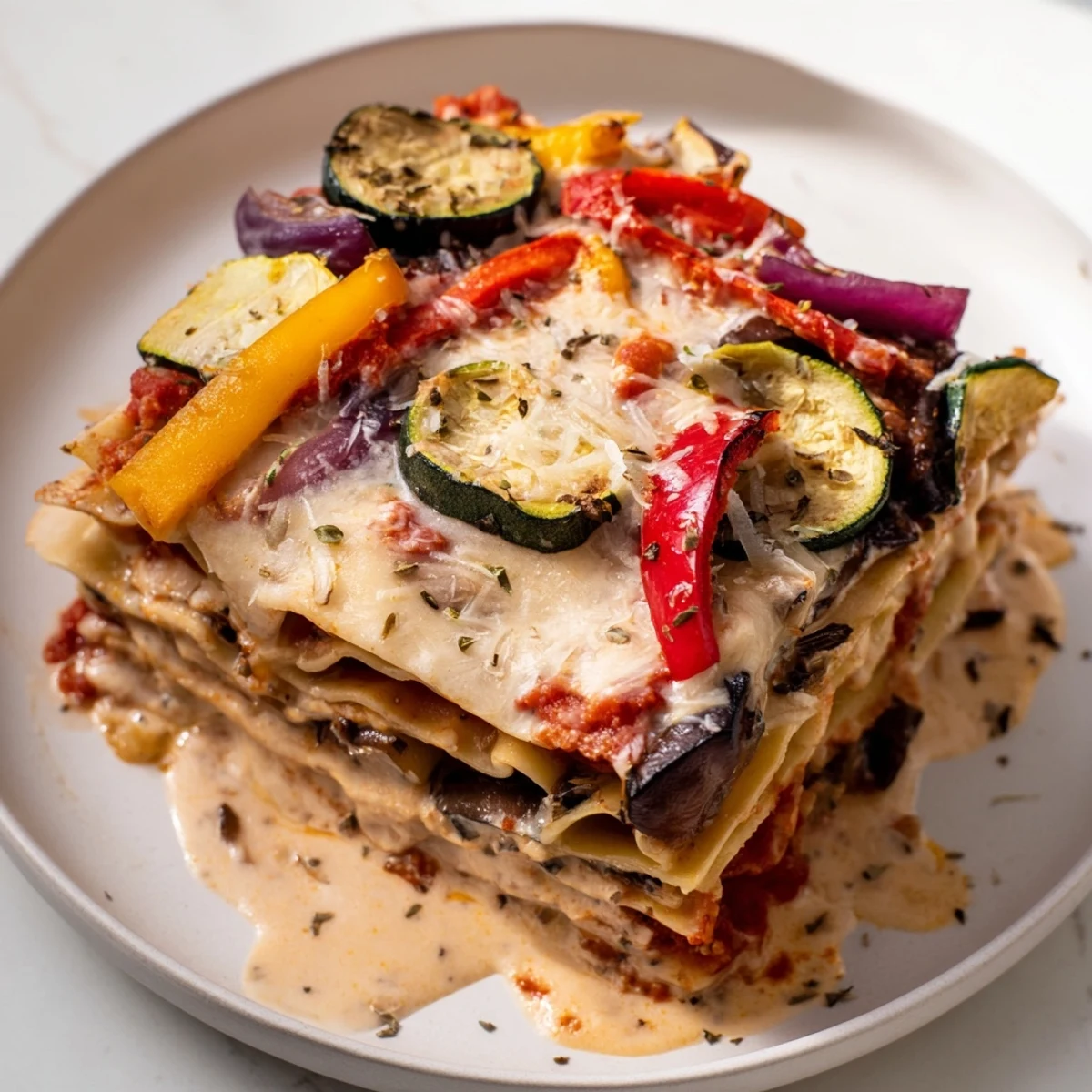
Save This Italian dish combines tender roasted eggplant, zucchini, and bell peppers with a flavorful tomato sauce and a smooth béchamel. Layers of no-boil noodles alternate with vegetables, cheese, and sauces before baking until bubbling and golden. The creamy béchamel adds richness while roasted vegetables bring depth and sweetness. Letting it rest ensures well-set slices and enhances flavor. Ideal for a comforting vegetarian main course with fresh basil garnish.
My sister called one Tuesday evening asking if I could bring dinner to her place—she'd just gotten home from a brutal shift at the hospital. I had zucchini and eggplant sitting on my counter, a container of tomatoes from the farmers market, and suddenly the idea of a vegetable lasagna felt right. Three hours later, when I pulled it from the oven and the house smelled like roasted vegetables and béchamel, I knew I'd made the right choice. She devoured two helpings and asked for the recipe before dessert.
I made this for a dinner party last spring when I was trying to impress my new neighbors, and honestly, I was nervous about the béchamel. But watching it transform from flour and butter into this silky, cloud-like sauce felt like small kitchen magic. When everyone went quiet for that first bite, I knew the anxiety had been worth it.
Ingredients
- Eggplant and zucchini: These are the soul of the dish—roasting them first concentrates their flavor and gets rid of excess moisture so your lasagna won't turn watery.
- Red and yellow bell peppers: They add sweetness and color, and I learned the hard way that cutting them into strips instead of chunks means they soften evenly.
- Red onion: Sliced thin, it melts into the layers and adds a subtle savory depth.
- Olive oil: Use good quality for the vegetables; cheaper stuff won't roast as beautifully.
- Crushed tomatoes: A 28-ounce can is the sweet spot—enough to be generous without making the lasagna soupy.
- Garlic, oregano, and basil: These three are non-negotiable for the tomato sauce; dried herbs work perfectly here.
- Whole milk: Warm it before whisking it into the butter-flour mixture, or you'll end up with lumps.
- Unsalted butter and all-purpose flour: The foundation of béchamel—melt the butter gently and don't let the flour brown.
- Ground nutmeg: Just a pinch makes the béchamel taste like it came from a restaurant kitchen.
- Mozzarella and Parmesan cheeses: Shred them fresh if you can—pre-shredded cheese doesn't melt quite as smoothly.
- No-boil lasagna noodles: They're convenient and work beautifully when your sauce is thick enough.
Instructions
- Get your oven hot and your vegetables prepped:
- Heat the oven to 425°F and line a baking sheet with parchment paper. Cut the eggplant into half-inch cubes, slice the zucchini into rounds, and cut the peppers into strips—uniform sizes mean even roasting.
- Toss and roast until golden:
- Coat all the vegetables with olive oil, salt, and pepper, spread them in a single layer, and roast for 20 to 25 minutes, stirring halfway through. They should be tender with brown edges when they're ready. Turn the oven down to 375°F.
- Build your tomato sauce:
- Heat olive oil in a saucepan and sauté minced garlic until fragrant—about a minute. Add the crushed tomatoes, oregano, basil, salt, sugar, and black pepper, then let it simmer gently for 15 to 20 minutes until it thickens slightly.
- Make the béchamel sauce:
- Melt butter in another saucepan over medium heat, whisk in flour, and cook for a minute or two without letting it brown. Slowly pour in the warm milk while whisking constantly to avoid lumps, then keep whisking until the sauce is smooth and thick, about 5 to 7 minutes. Stir in nutmeg, salt, and white pepper.
- Layer everything together:
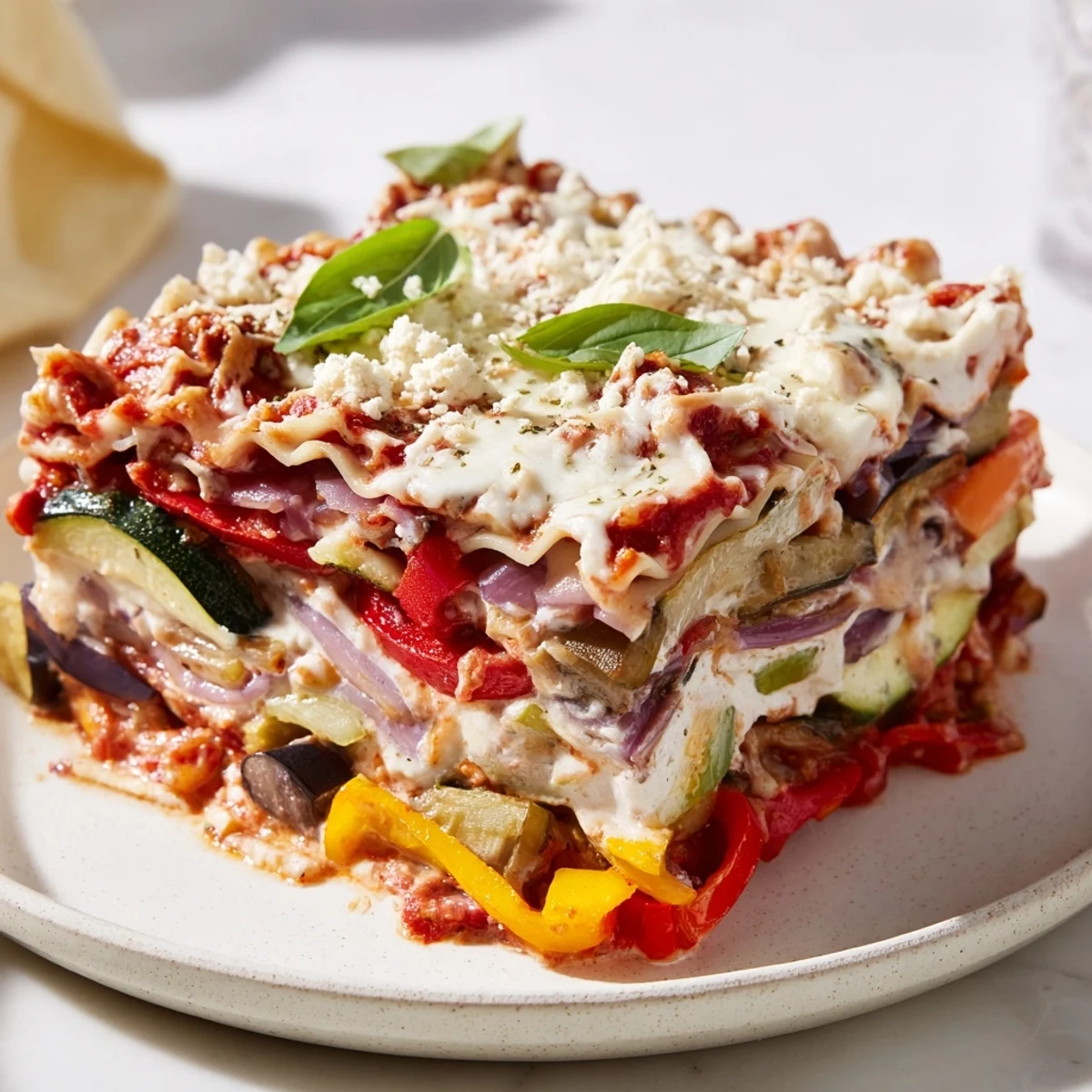
- Spread a thin layer of tomato sauce on the bottom of a 9 by 13-inch baking dish. Layer noodles over it, then add a third of the roasted vegetables, spoonfuls of tomato sauce, and ladles of béchamel. Sprinkle with mozzarella and Parmesan. Repeat this pattern twice more, finishing with noodles, the remaining béchamel, and a final shower of both cheeses.
- Bake until golden and bubbling:
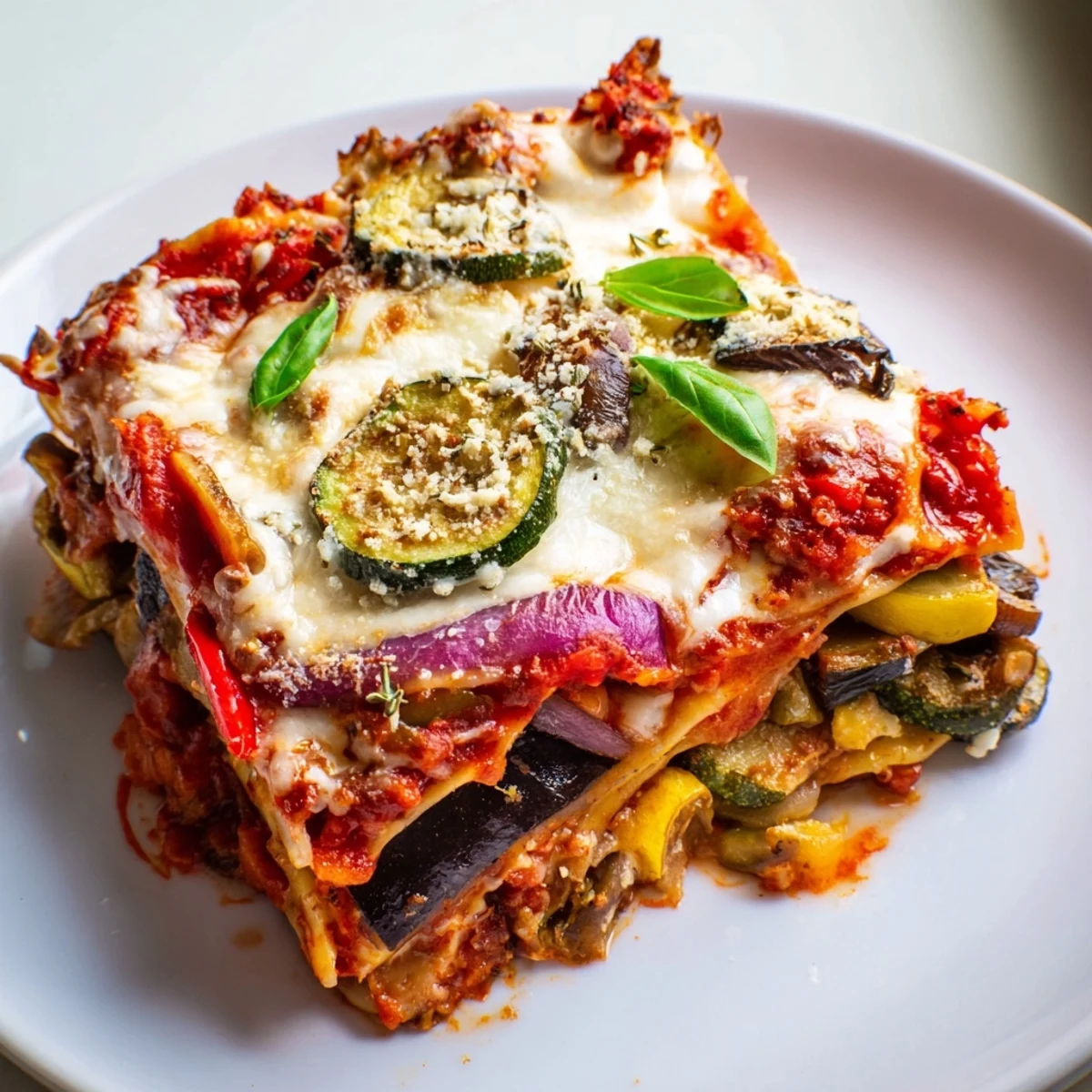
- Cover the dish with foil and bake at 375°F for 30 minutes, then remove the foil and bake another 15 to 20 minutes until the top is golden and you can see sauce bubbling at the edges. This is when you know it's done.
- Rest before slicing:
- Let the lasagna sit for 10 to 15 minutes—this gives the layers time to settle so you get clean slices instead of a beautiful mess.
 Save
Save The moment that sticks with me most is my neighbor texting the next day to say she'd made it for her own dinner and her kids actually ate vegetables without complaining. That's when a recipe becomes more than just food—it becomes a small act of feeding people well.
Why Roasting Makes the Difference
Roasting vegetables before layering them into lasagna sounds like an extra step, but it changes everything. The heat concentrates their natural sugars and caramelizes their edges, while also evaporating moisture that would otherwise make your lasagna watery and limp. I learned this the hard way when I tried a raw vegetable version once and ended up with something soggy that looked beautiful but felt disappointing to eat. Now I roast first without hesitation.
The Art of Layering
Layering lasagna feels like building something, and there's a rhythm to it once you understand the proportions. The bottom layer of sauce keeps the noodles from sticking, and then you're working in thirds—vegetables, sauce, béchamel, cheese, repeat. The key is not to be stingy with the béchamel; it's what keeps everything moist and luxurious as it bakes. Think of it as insurance against a dry lasagna, and you won't regret being generous.
Make It Your Own
This is the kind of recipe that welcomes improvisation without falling apart. I've added fresh spinach layered between the vegetables, stirred in mushrooms sautéed with garlic, and even thrown in some sun-dried tomatoes when I had them on hand. Each version tastes like a slightly different story of what was in my kitchen that day. The structure stays the same, but the vegetables can be whatever you find at the market or have lingering in your crisper drawer.
- Spinach and mushrooms are my go-to additions when I want more substance and earthiness.
- A splash of red wine in the tomato sauce adds depth, though it's absolutely not necessary.
- Don't be shy with fresh basil garnish at the end—it brightens the whole dish.
 Save
Save There's something deeply satisfying about pulling a bubbling lasagna from the oven and knowing you've made something nourishing with your own hands. Serve it warm, let people eat as much as they want, and watch how a simple arrangement of vegetables and sauce becomes something memorable.
Recipe FAQs
- → How do I roast the vegetables evenly?
-
Toss diced vegetables with olive oil, salt, and pepper before spreading them in a single layer on a baking sheet. Roast at high heat, turning halfway to ensure even browning and tenderness.
- → Can I use regular lasagna noodles instead of no-boil ones?
-
Yes, cook regular noodles according to package instructions before layering. Drain well to avoid excess moisture in the dish.
- → What is the purpose of the béchamel sauce in this dish?
-
The béchamel adds creamy richness and helps bind the layers together, balancing the acidity of the tomato sauce and the roasted vegetables' texture.
- → How long should the dish rest after baking?
-
Allow the layered dish to rest for 10-15 minutes post-baking. This helps the layers firm up, making it easier to slice and enhancing the overall flavor.
- → Can I add other vegetables to the layers?
-
Absolutely. Spinach, mushrooms, or seasonal vegetables can be incorporated either roasted or sautéed to increase variety and flavor.