
 Save
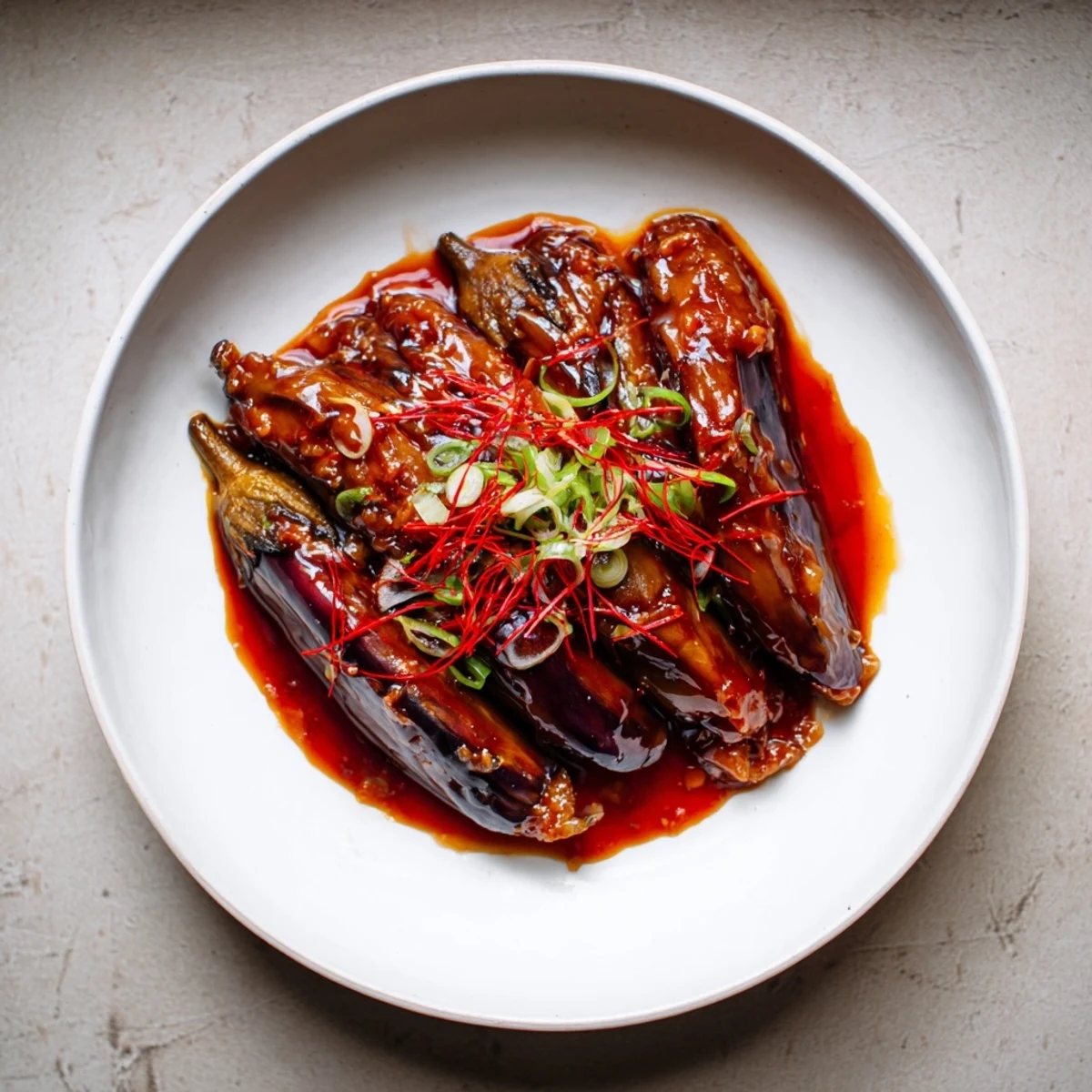
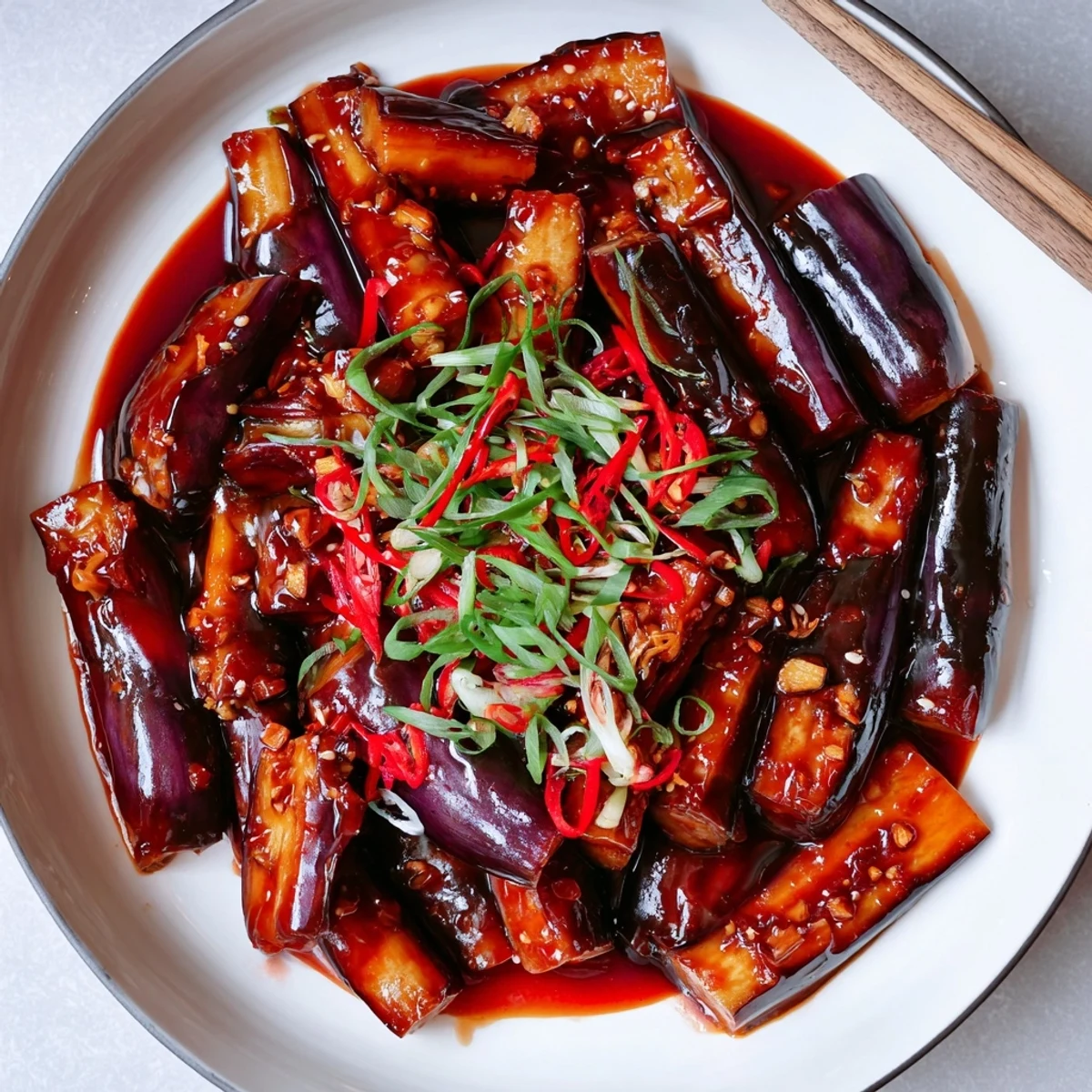
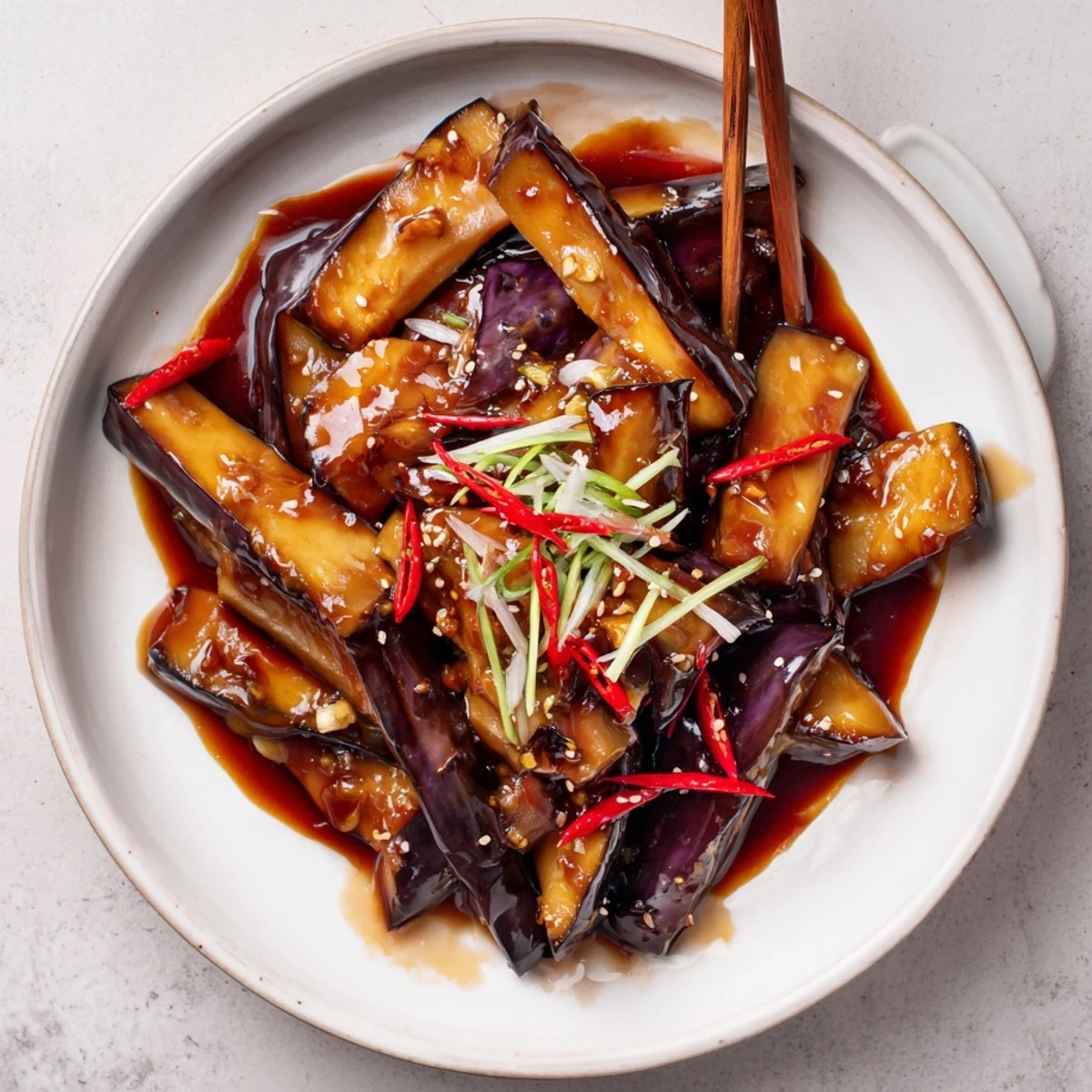
Save This Sichuan-style braised aubergine pairs soft, oil-fried aubergine batons with a savory, spicy doubanjiang sauce. Start by salting and drying the aubergine to reduce oil uptake, then fry until golden and tender. Sauté garlic, ginger and chili with the bean paste, add soy, vinegar and stock, then simmer gently.
Stir in a cornstarch slurry to thicken, finish with sesame oil and sliced spring onions, and serve over steamed rice or noodles for a satisfying vegetarian main.
The first time I made Sichuan Style Braised Aubergines was on a rainy Thursday, the kind of evening when even the city’s noise seemed to soften. Floating ginger and garlic scents filled the kitchen, prompting my neighbor to knock and ask what I was making. The sizzling aubergines nearly caught me off guard—I hadn’t expected them to brown so beautifully. Now, any time I want to brighten a weeknight with bold, warming flavors, this dish tops my list.
Once, I hurriedly cooked this recipe for a friend who was running late for dinner; between laughter and hurried chopping, we ended up scooping the glossy aubergines straight from the pan over bowls of rice. It ended up being a memorably fun meal, fuss-free and accidental, with sauce-stained conversations extending long past midnight. My only regret was not making extra—it disappeared fast.
Ingredients
- Aubergines: Choose firm ones and always salt them first—their texture transforms and they soak up less oil.
- Spring onions: Sliced thin, they add a gentle sharpness and look lovely as garnish.
- Garlic and ginger: The aromatic backbone—don’t rush the chopping, and inhale deeply as they hit the hot pan.
- Red chili: Optional, but a fresh chili brings just the right hint of heat (or skip it if you prefer mild).
- Doubanjiang: The iconic Sichuan paste; be generous, but taste as you go—some brands are saltier than others.
- Soy sauce & dark soy sauce: The duo delivers layers of savory umami; the dark adds color as well as depth.
- Rice vinegar: Balances richness while brightening all the other flavors.
- Sugar: Just a teaspoon smooths out the fiery, tangy notes.
- Vegetable stock or water: A splash of liquid helps everything mingle and softens the aubergine further.
- Vegetable oil: Go for a neutral oil with a high smoke point for proper browning.
- Sesame oil: The finishing touch—drizzle at the end for a fragrant lift.
- Cornstarch: Stirred in as a slurry, it turns sauce from runny to silky in seconds.
- Salt: Essential for the first step and to taste throughout—trust your instincts here.
Instructions
- Draw out the moisture:
- Scatter the cut aubergines with salt and let them rest for 10 minutes, then rinse and dry them well—you’ll notice how their skin softens slightly.
- Fry the aubergines:
- Heat most of your oil until shimmering and carefully lay the aubergine in; the sizzle is your cue that good things are happening, so keep an eye as they become golden and crisp outside, tender within.
- Start the aromatics:
- Reduce to a little oil in the hot pan; tumble in ginger, garlic, and chili, letting their fragrance rush up with a quick stir-fry for one minute.
- Sizzle the doubanjiang:
- Spoon in the broad bean paste and stir constantly; you’ll see the oil tint a gorgeous red as the paste releases its aroma.
- Build the sauce:
- Return the aubergine batons, pour in soy sauces, vinegar, sugar, and stock, then fold everything together gently so the pieces stay tender.
- Simmer:
- Cover, lower the heat, and give it 8 to 10 minutes—the kitchen will fill with savory-spicy smells as the sauce thickens and the aubergine softens to melting.
- Thicken:
- Mix cornstarch and water to make a smooth slurry, pour it into the bubbling sauce, and stir just until the gloss appears.
- Finish and garnish:
- Drizzle sesame oil, sprinkle with spring onions, and serve hot, ideally over fluffy rice.
 Save
Save When my family first tried this dish, the table went quiet while everyone took their first bite; only after a few seconds did we break into shared smiles and reach for seconds. It was that rare dinner where even leftovers vanished before anyone could think of saving them.
How to Adjust the Heat Without Losing Flavor
I once dialed up the chili for a spice-loving guest and learned the secret was to balance heat with a touch more vinegar and sugar. The result still tingled but kept all its nuanced flavor, and the dish didn’t become overpowering. Don’t hesitate to play with the chili and peppercorns to suit your crowd.
Serving Ideas That Never Fail
This braised aubergine is at home over a bowl of steamed jasmine rice, but I’ve also found it makes a great companion for plain noodles. Sometimes, I’ll toss in a handful of toasted peanuts or serve with a quick cucumber salad for crunch and coolness. It’s the kind of dish that adapts effortlessly to last-minute sides.
Common Pitfalls and Last-Minute Fixes
Overcooking can make the aubergine collapse into mush, so keep checking for that perfect tender bite. If your sauce turns out too salty—no panic—add a splash more stock and a pinch of sugar to round things out. Trusting the sights and smells will guide you better than the clock some nights.
- If you see the sauce thinning, let it bubble uncovered a minute longer.
- Reserve some spring onions for a vibrant, fresh finish at the table.
- Taste at every stage—the flavors evolve quickly in the wok.
 Save
Save Each time I make Sichuan Style Braised Aubergines, it feels like a quiet celebration of spice and comfort. I hope you find a little joy in every glossy spoonful, just as I have.
Recipe FAQs
- → How do I prevent aubergine from soaking up too much oil?
-
Salt the cut aubergine and let it sit for 10 minutes, then rinse and pat dry. Fry in a hot pan in batches so pieces brown quickly; this seals the surface and reduces oil absorption.
- → Can I bake or roast the aubergine instead of frying?
-
Yes. Toss batons with a little oil and roast at high heat until golden and soft, then add to the sauce. Roasting gives a lighter version with a slightly smoky note.
- → What can I use if I don't have doubanjiang?
-
Use a chili-garlic sauce combined with a touch of miso or fermented bean paste to mimic the umami depth, though the flavour will differ from traditional doubanjiang.
- → How can I adjust the heat level?
-
Reduce or omit the fresh chili and use less doubanjiang, or add a pinch of sugar to tame heat. For more numbing heat, toast a few Sichuan peppercorns and add with the aromatics.
- → How should leftovers be stored and reheated?
-
Cool completely and refrigerate in an airtight container for up to 3 days. Reheat gently in a skillet over low heat, adding a splash of water or stock to loosen the sauce as needed.
- → Can I make the dish ahead of time?
-
Yes. Prepare the sauce and cooked aubergine separately and combine when ready to serve; finish with the cornstarch slurry and sesame oil just before serving for best texture.