
 Save
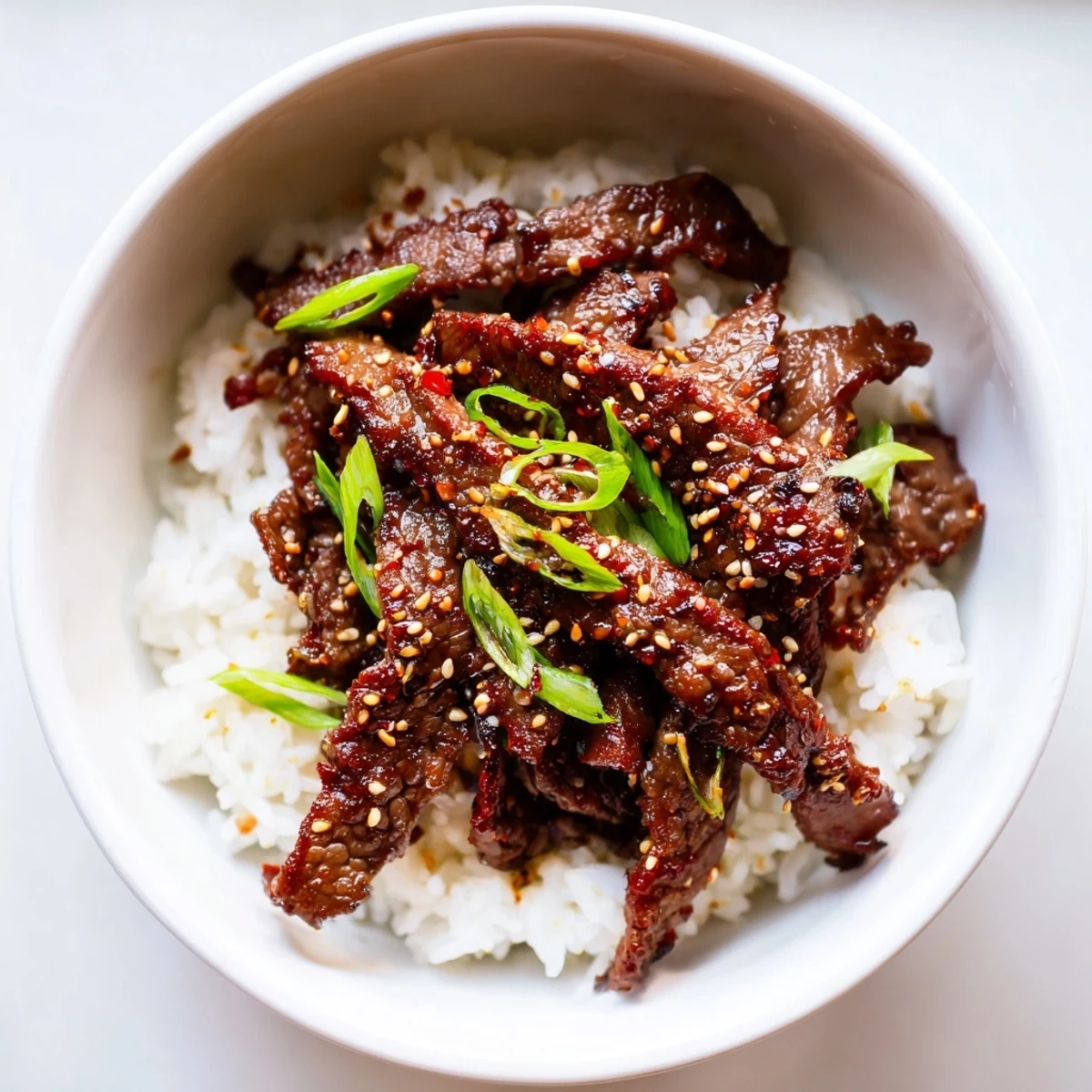
Save This vibrant Korean beef bowl combines thinly sliced marinated beef with a bold gochujang-based seasoning, fluffy steamed rice, and fresh crisp vegetables. The beef marinates in soy sauce, gochujang, sesame oil, garlic, and ginger, then quick-stir-fries until caramelized. Assemble by layering steamed rice with the spicy beef and arranged vegetables—carrots, cucumber, radish, and scallions—then finish with toasted sesame seeds. Perfect for weeknight dinners, this 35-minute meal serves four and can be customized with extra gochujang for heat or protein substitutions.
The scent of caramelizing beef and gochujang transports me straight to the tiny kitchen of my Korean neighbor Mrs. Park, who first introduced me to this dish on a snowy afternoon. She laughed at my wide eyes when I tasted the perfect balance of sweet, savory, and spicy flavors. The memory of her patient instructions still guides my hands every time I prepare this colorful beef bowl.
Last summer, I made these bowls for my brother who had just returned from backpacking through Asia and was missing authentic flavors. As we sat on the porch, the evening air still warm, he took one bite and went completely silent. Then he looked up with a grin and said, This tastes exactly like what I had in Seoul. I felt like Id given him a plane ticket back.
Ingredients
- Flank steak: Slice it against the grain when its still slightly frozen for the thinnest cuts that absorb marinade beautifully and cook in seconds.
- Gochujang: This fermented chili paste is the soul of Korean cooking, offering complex heat that builds rather than burns.
- Sesame oil: Just a tablespoon transforms the entire dish with its nutty aroma that clings to each slice of beef.
- Short-grain rice: The slightly sticky texture creates the perfect foundation to catch all those delicious beef juices and sauce.
- Fresh vegetables: The cool crunch of cucumber and radish creates magical contrast against the spicy warm beef.
Instructions
- Prepare the rice foundation:
- Rinse your rice until the water runs clear, removing excess starch that would make it gummy. The gentle simmer creates fluffy grains that separate perfectly when fluffed.
- Create the flavor bomb:
- Whisk together that gorgeous ruby-red gochujang with soy sauce and aromatics until it looks glossy and unified. When you toss the beef in this mixture, make sure every slice gets an even coating.
- Flash-fry for perfection:
- Get your pan screaming hot before adding the beef to achieve that beautiful caramelization without overcooking. The meat should still be tender with slightly crispy edges when you pull it off the heat.
- Build your masterpiece:
- Start with a cloud of rice as your canvas, then arrange the beef and vegetables with intention rather than piling everything on. Think of yourself as creating edible art with distinct sections of color.
- Crown with finishing touches:
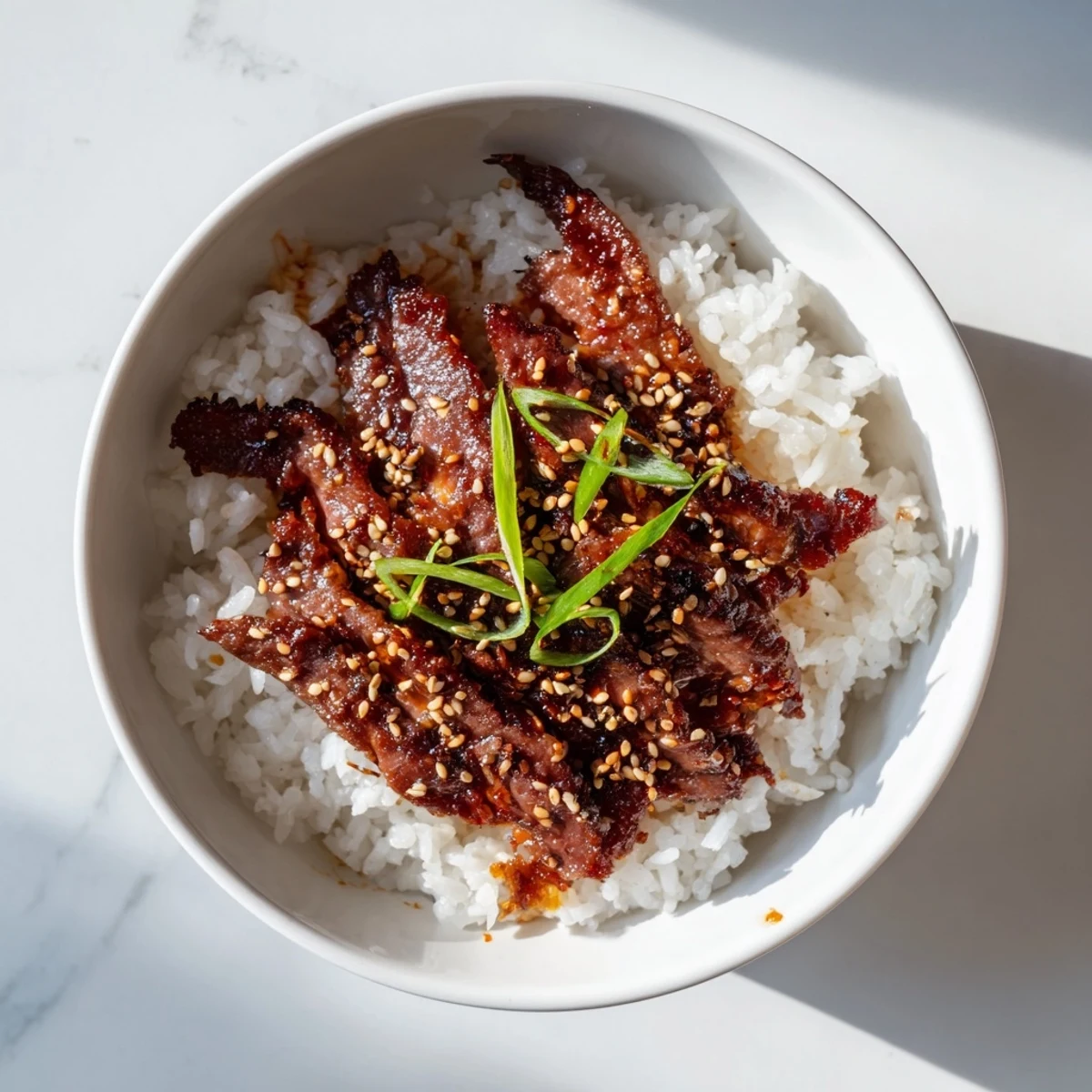
- The sesame seeds might seem small, but they add tiny bursts of nutty crunch that elevate the entire bowl. Scatter them generously just before serving.
 Save
Save My daughter was going through a picky eating phase that had me worried until I introduced this bowl into our rotation. Her eyes lit up at the colorful presentation, and she created a game of trying different combinations of ingredients with each bite. Now she requests her Korean beef bowl by asking for that rainbow dinner, and I smile knowing good nutrition comes disguised as culinary adventure.
Making It Your Own
Sometimes I swap thinly sliced mushrooms for half the beef when feeding friends with varying dietary preferences. The mushrooms absorb the marinade surprisingly well and develop a meaty texture when quickly stir-fried. Even dedicated carnivores reach for seconds without realizing theyve reduced their meat consumption by half.
Balancing Your Bowl
The beauty of this dish lies in its perfectly tuned harmony of textures and temperatures. I learned the hard way that serving everything piping hot means missing out on the contrast that makes each component shine. Now I deliberately cool my vegetables in ice water before patting them dry, creating that magical moment when warm beef meets cool cucumber.
Serving Suggestions
Family-style serving transforms this dish from a simple dinner into an interactive experience. I place all components in separate bowls and let everyone build their personal masterpiece according to their preferences.
- A bottle of cold beer or sparkling water with lime complements the spicy richness beautifully.
- For meal prep, keep the components separate and assemble just before eating to maintain textural integrity.
- Leftovers can become tomorrow breakfast by topping with a fried egg whose runny yolk creates an impromptu sauce.
 Save
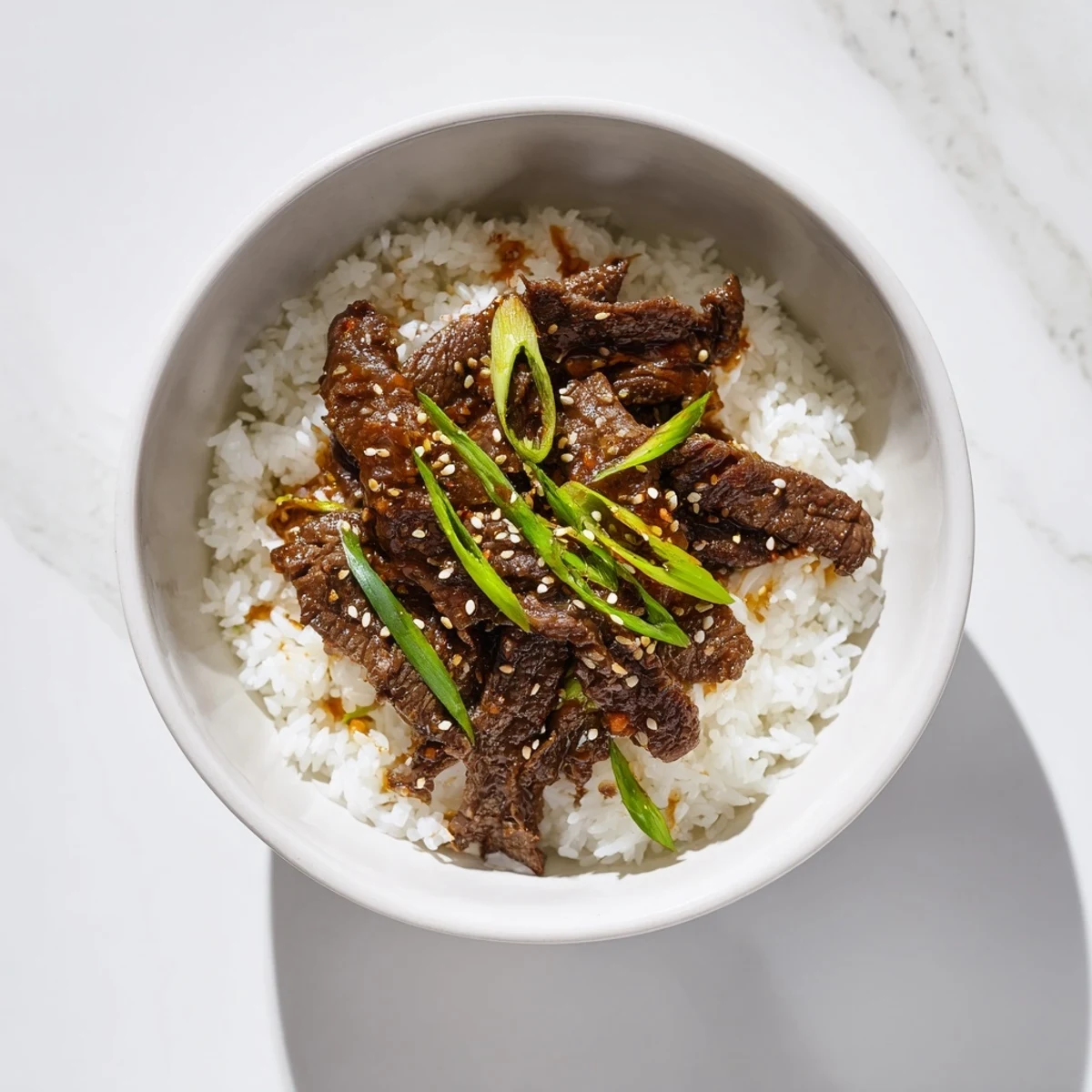
Save This colorful bowl brings together the comfort of home and the excitement of travel on a single plate. Whether youre cooking for yourself or gathering loved ones, each component offers both nourishment and delight, promising satisfied smiles around your table.
Recipe FAQs
- → How do I get the beef tender and flavorful?
-
Slice the beef thinly against the grain and marinate for at least 10 minutes in the gochujang mixture. Thinly sliced beef cooks quickly and absorbs the bold Korean seasonings effectively.
- → Can I prepare this ahead of time?
-
Yes, marinate the beef up to 4 hours in advance. Cook the rice fresh just before serving. Prep vegetables ahead and store separately. Assemble bowls just before eating for best texture.
- → What's the best rice to use?
-
Jasmine or short-grain white rice work best for this dish as they're fluffy and slightly sticky, holding the sauce well. Brown rice adds fiber but requires longer cooking time.
- → How spicy is this bowl?
-
The gochujang provides moderate heat. Adjust spice levels by increasing gochujang, adding sriracha drizzle, or reducing chili paste. Serve with kimchi on the side for customizable heat.
- → What protein alternatives work well?
-
Tofu, chicken breast, or pork tenderloin marinate and cook beautifully in this Korean seasoning. Adjust cooking times based on protein thickness for optimal results.
- → Is this gluten-free?
-
Traditional soy sauce and gochujang contain gluten. Use tamari or gluten-free soy sauce and certified gluten-free gochujang. Always check kimchi labels for gluten content.