
 Save
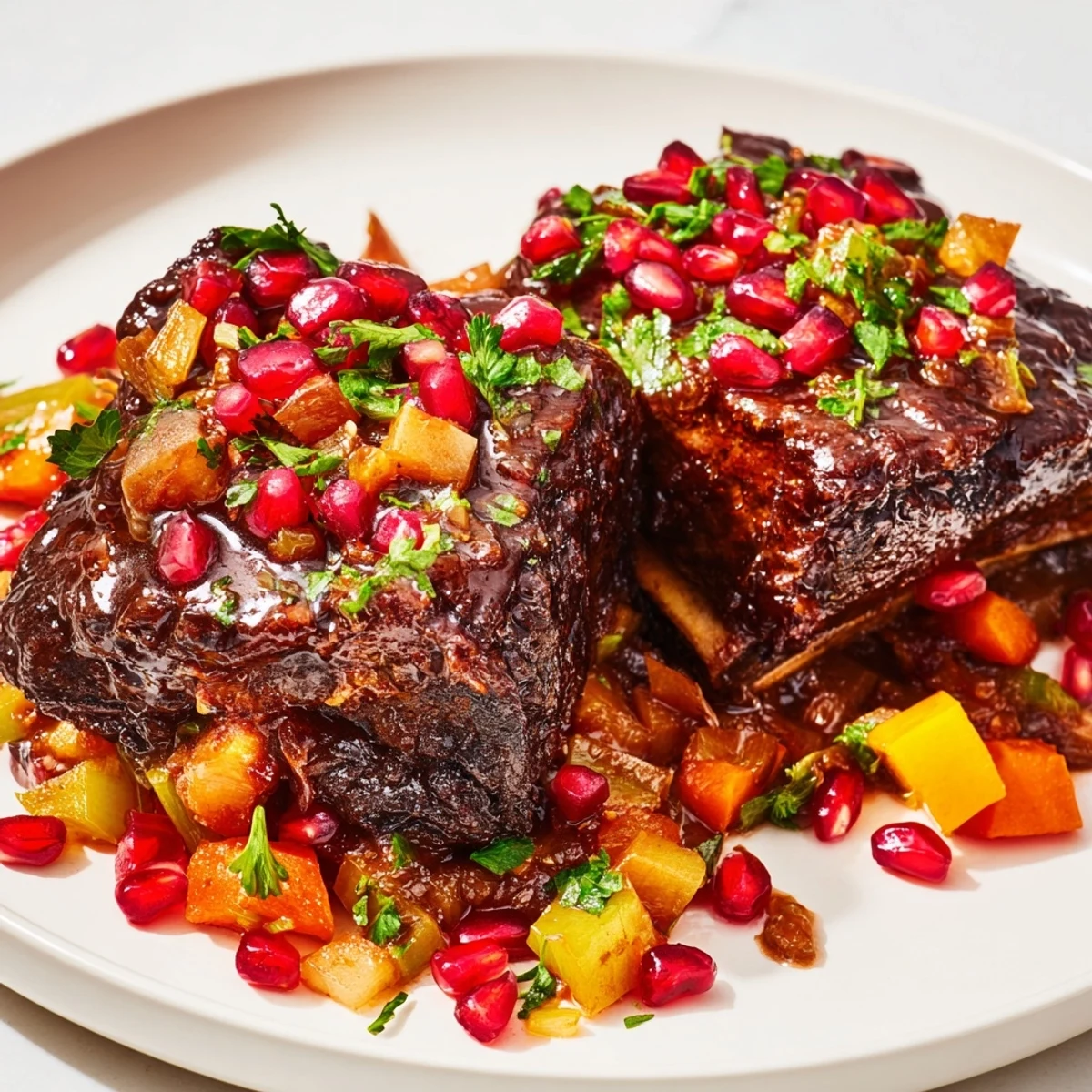
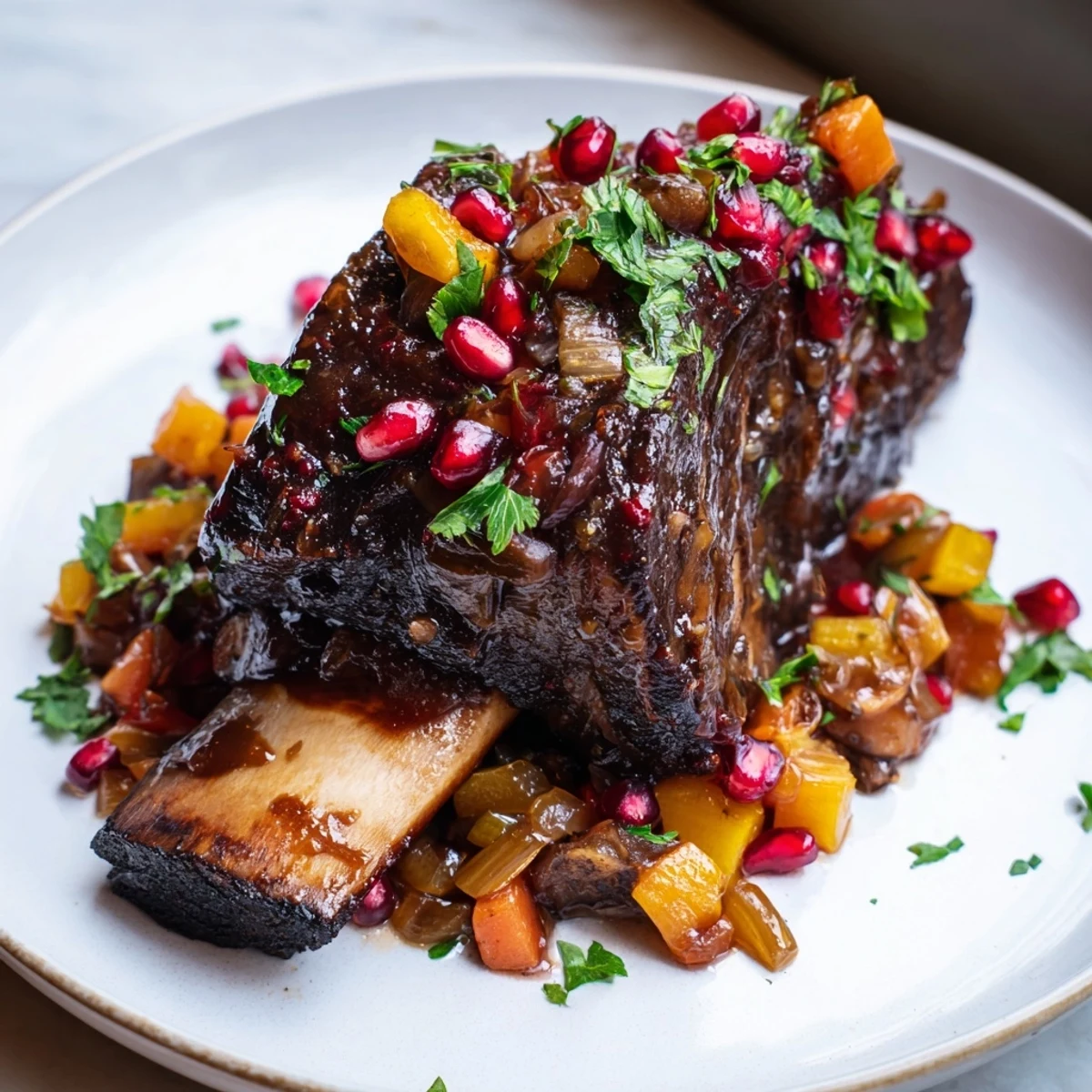
Save Experience fall-off-the-bone beef short ribs gently braised with aromatic spices, creating a rich and tender texture. The dish is elevated by a jewel-bright pomegranate glaze, adding a tangy sweetness that perfectly balances the savory depth. Slow cooking intensifies the flavors, making it ideal for intimate dinners or festive occasions. Garnished with fresh pomegranate seeds and parsley, it’s a striking presentation that pairs beautifully with creamy mashed potatoes or polenta. This gluten-free main offers a hearty yet refined dining experience.
The first time I made these short ribs, my kitchen smelled so incredible that my neighbor actually knocked on the door to ask what I was cooking. That rich, wine-scented aroma filled the whole building, and I knew I was onto something special. Now whenever I make this recipe, I think about how food has this magical way of bringing people together before they even sit down at the table.
I served this at a dinner party last winter, and honestly, the conversation completely stopped when everyone took their first bite. There were literal moans around the table, which is pretty much the highest compliment a cook can get. My friend Sarah still messages me every few months asking when Im making them again.
Ingredients
- 4 bone-in beef short ribs: Look for ribs with good marbling and nice meaty portions on the bone
- Salt and black pepper: Be generous here since this is your main seasoning for the meat
- 2 tablespoons olive oil: You need a neutral oil with a high smoke point for proper searing
- 1 large yellow onion: Diced small so it melts into the braising liquid
- 2 medium carrots: These add natural sweetness and depth to the sauce
- 2 celery stalks: Part of the classic mirepoix base that builds flavor
- 4 garlic cloves: Minced fresh because garlic powder just wont give you the same result
- 1 cup dry red wine: Something youd actually drink works best here
- 2 cups beef broth: Homemade is ideal but a good quality store-bought works perfectly
- 1 tablespoon tomato paste: This concentrates and deepens the braising liquid
- 2 sprigs fresh thyme: Woody herbs hold up better during long cooking
- 2 sprigs fresh rosemary: Piney and aromatic, it pairs beautifully with beef
- 2 bay leaves: Dont skip these, they add that subtle savory background note
- 1 cup pomegranate juice: Use 100% juice, nothing sweetened or diluted
- 2 tablespoons pomegranate molasses: This is the secret ingredient that makes the glaze so special
- 2 tablespoons honey: Balances the tartness and helps the glaze cling to the meat
- Fresh pomegranate seeds: These little jewels make everything look festive and bright
- Fresh parsley: Adds a pop of fresh green color against that glossy glaze
Instructions
- Get your oven ready:
- Preheat to 325°F and position a rack in the center
- Prep the meat:
- Pat those ribs completely dry with paper towels and season them generously with salt and pepper all over
- Sear for flavor:
- Heat olive oil in a Dutch oven over medium-high and brown ribs on all sides until deeply caramelized, about 2-3 minutes per side
- Build your base:
- Sauté onion, carrots, and celery for 5-6 minutes until softened and golden, then stir in garlic for just 1 minute
- Deglaze the pot:
- Add tomato paste, cook for 1 minute, then pour in wine while scraping up all those flavorful browned bits
- Bring it together:
- Return ribs to the pot, add broth, herbs, and bay leaves until liquid reaches halfway up the meat
- Low and slow:
- Cover tightly and braise for 2.5-3 hours until the meat is fork-tender and practically falling off the bone
- Make the magic glaze:
- Simmer pomegranate juice, molasses, and honey in a small saucepan until thickened and syrupy, about 15-20 minutes
- Finish with flair:
- Arrange ribs on a platter, drizzle generously with that gorgeous glaze, and scatter with fresh pomegranate seeds and parsley
 Save
Save This recipe has become my go-to for special occasions, but honestly, the best part might be how my kitchen smells while its cooking. There is something so comforting about that slow-cooked aroma filling the house, reminding me that good things take time.
Choosing The Right Wine
I used to stress about which wine to cook with, but heres what I have learned: anything decent that you enjoy drinking will work beautifully. You really do not need to break out the expensive bottles, but avoid anything labeled cooking wine since it is loaded with salt.
Making Pomegranate Molasses Work For You
This thick, tangy syrup might seem intimidating if you have never used it before, but it is basically just reduced pomegranate juice with a kick. A little goes a long way, and that tartness is exactly what cuts through the richness of the beef.
Serving Suggestions That Shine
Creamy mashed potatoes are absolute perfection for soaking up that incredible braising liquid. The glaze works beautifully on everything it touches.
- Couscous or pearl couscous adds nice texture and soaks up the sauce
- Roasted root vegetables would echo the braising vegetables nicely
- A simple arugula salad with bright vinaigrette balances all the richness
 Save
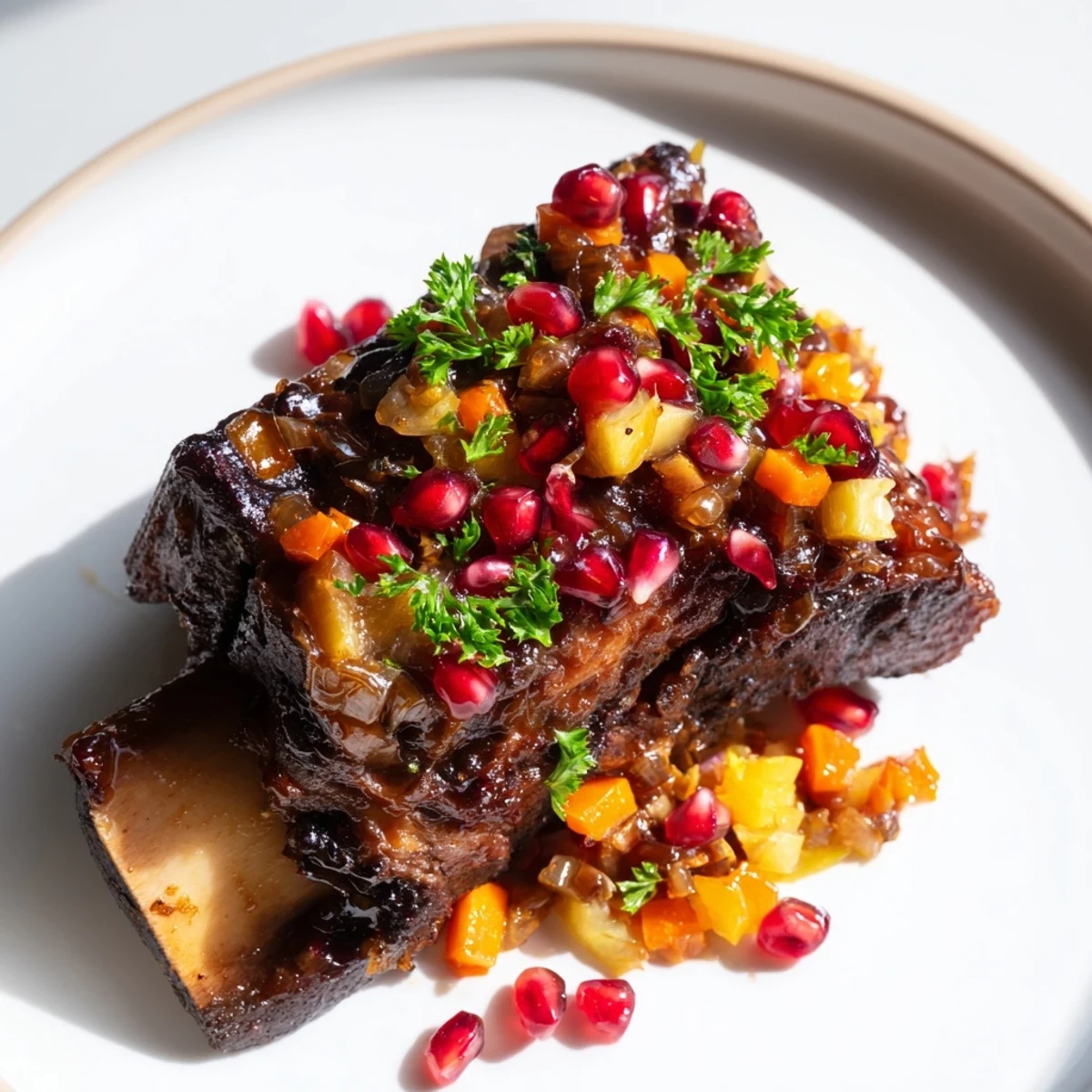
Save There is something so satisfying about serving a dish that looks this stunning and tastes even better. Enjoy every bite of this show-stopper.
Recipe FAQs
- → What cut of beef is best for this dish?
-
Bone-in beef short ribs offer rich marbling and toughness that softens beautifully during slow braising.
- → How long should the ribs braise for optimum tenderness?
-
Braising for 2.5 to 3 hours at low heat ensures the ribs become tender and infused with flavor.
- → Can I substitute red wine in the braising liquid?
-
Yes, you can use additional beef broth or a blend of grape juice with vinegar for acidity if preferred.
- → How is the pomegranate glaze made?
-
A mixture of pomegranate juice, molasses, and honey is simmered until thickened to create the glaze.
- → What sides complement the dish well?
-
Creamy mashed potatoes, polenta, or couscous work well to soak up the rich sauce and balance flavors.
- → Are there any tips for enhancing the spice aroma?
-
Add a pinch of ground cinnamon or star anise to the braising liquid for additional warmth and complexity.