
 Save
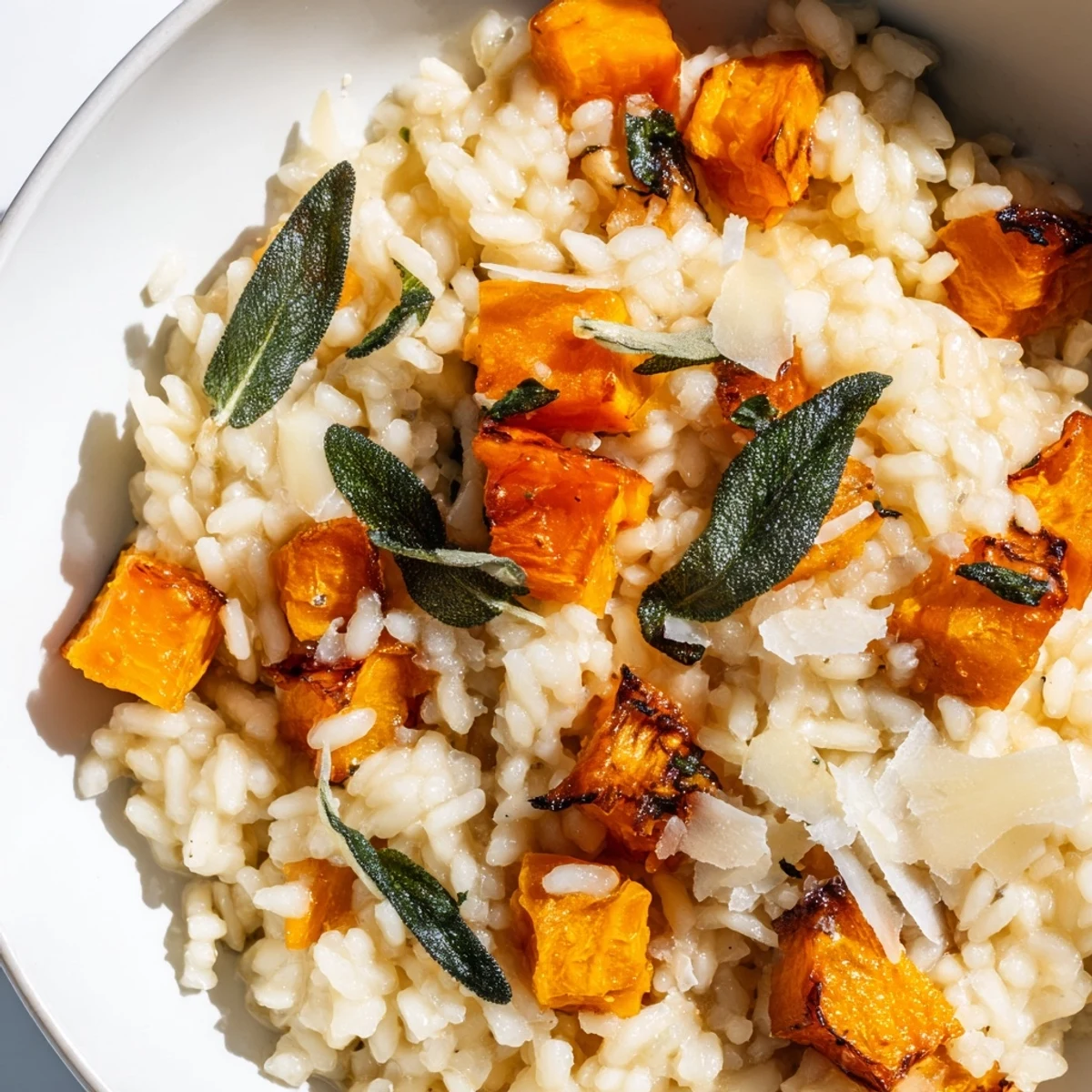
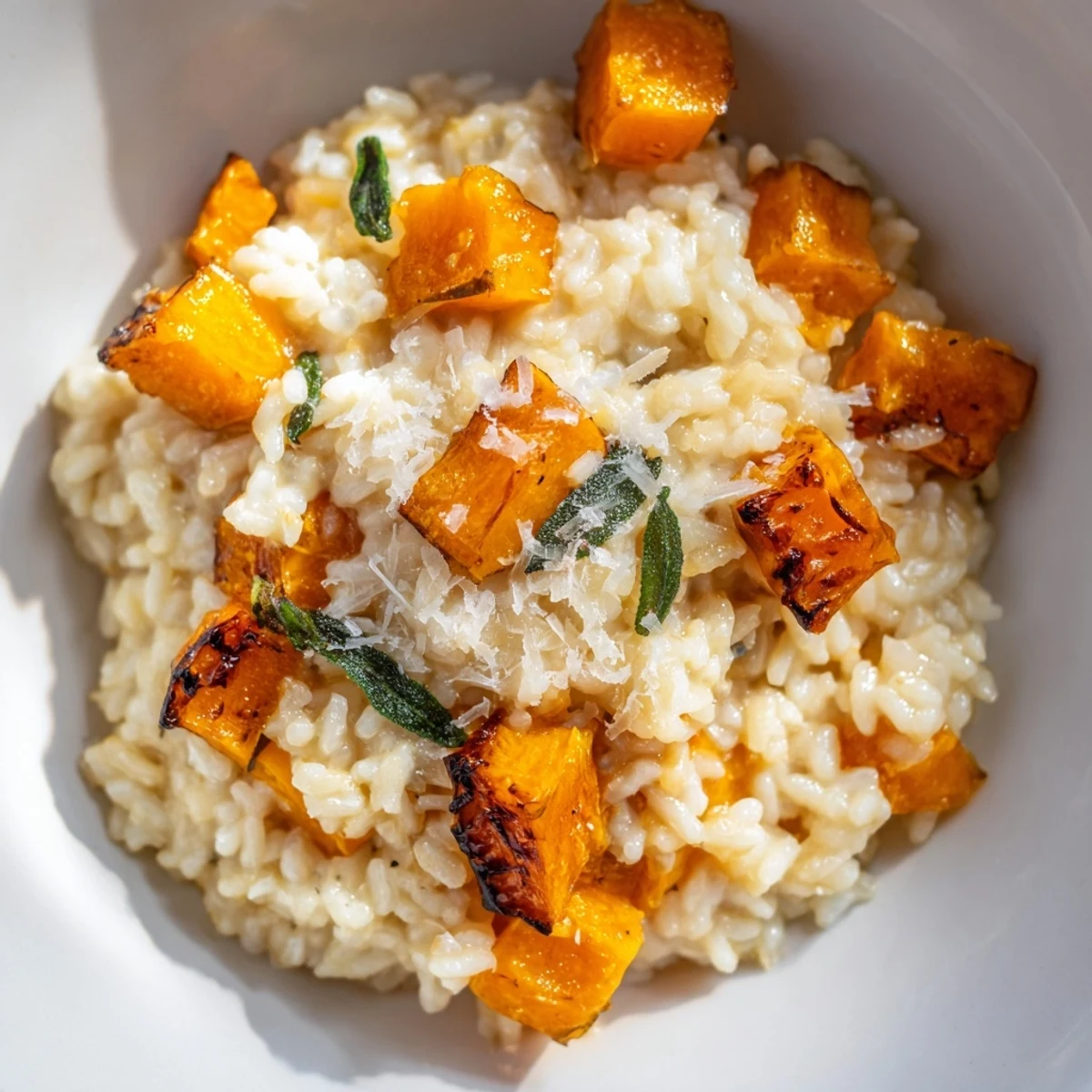
Save This elegant Italian-inspired dish combines creamy Arborio rice with caramelized roasted squash, aromatic sage, and Parmesan cheese. Start by roasting cubed squash until golden, then build your risotto by slowly adding warm broth to the rice while stirring constantly. Finish with butter and cheese for luxurious richness. Perfect for vegetarian dinners.
The first winter storm was rolling in when I discovered this squash risotto recipe. Through the kitchen window, I watched fat snowflakes swirl as the aroma of roasting butternut squash filled my apartment. Something about the methodical stirring of risotto paired perfectly with watching the world turn white outside, creating a rhythm that felt like meditation with a wooden spoon.
Last November, my sister arrived for an impromptu visit just as I was finishing this risotto. She kicked off her boots by the door, inhaled deeply, and immediately asked what smelled so wonderful. We ended up talking for hours at the kitchen table, bowls emptied long before our conversation ran dry, and now she requests this dish whenever she visits.
Ingredients
- Winter squash: Butternut is my go to, but after a farmers market mishap where I accidentally bought kabocha instead, I discovered its slightly nutty flavor works beautifully too.
- Arborio rice: I once tried making this with regular long grain rice during a pantry emergency and learned the hard way that only short grain varieties give you that signature creamy texture without becoming mushy.
- Fresh sage: The difference between dried and fresh sage here is like night and day, as fresh leaves develop this incredible aroma when they hit the hot butter that dried simply cannot replicate.
- Parmesan cheese: Buy a block and grate it yourself, as pre grated versions contain anti caking agents that prevent that silky melt we want in the finished dish.
- White wine: It doesnt need to be expensive, but it should be something youd happily drink because that flavor concentrates as it cooks down.
Instructions
- Roast the squash:
- Preheat your oven to 400F and spread those squash cubes on a baking sheet with olive oil, salt and pepper. Youll know theyre done when the edges caramelize to a golden brown, bringing out the natural sweetness.
- Start the flavor base:
- Heat your pan and let butter and oil melt together until they start to shimmer, then add onions until they become translucent and soft. When you add the garlic and sage, your kitchen will suddenly fill with the most incredible aroma that signals good things are coming.
- Toast the rice:
- This step might seem small but its absolutely crucial for developing flavor. Watch for that moment when the edges of each rice grain become slightly translucent while the centers remain pearly white.
- Add wine:
- Pour it in and inhale deeply as it hits the hot pan. That sizzling sound and burst of fragrance is one of the most satisfying moments in cooking.
- The meditation begins:
- This is where patience becomes an ingredient itself. Add broth one ladle at a time, stirring often but gently, allowing each addition to be mostly absorbed before adding the next.
- Incorporate the squash:
- Fold those roasted cubes in gently, letting some remain intact while others might slightly break down. The contrast between the creamy rice and the tender squash chunks creates the perfect textural balance.
- Finish with richness:
- Off the heat, add butter and Parmesan, stirring until they melt completely into the rice. This final touch transforms good risotto into something truly memorable.
 Save
Save On a particularly difficult day last winter, when nothing seemed to be going right, I found myself making this risotto almost on autopilot. The rhythmic stirring and the gradual transformation of simple ingredients created a kind of culinary therapy. By the time I sat down with a steaming bowl, my perspective had shifted entirely, reminding me how cooking can be both nourishment and healing.
The Art of the Stir
Ive found that risotto doesnt actually need constant stirring, despite what traditional recipes might claim. After experimenting countless times, Ive learned that a good stir every 30 seconds or so prevents sticking while still allowing the grains to rub against each other and release their starch. This approach saves your arm from fatigue while still yielding that signature creaminess we all crave.
Seasonal Adaptations
When butternut isnt in season, this recipe transforms beautifully with other vegetables. Summer brings opportunities for sweet corn and cherry tomato versions, while spring calls for fresh peas and asparagus. The technique remains consistent while the flavors shift with whats available, making this less of a single recipe and more of a cooking philosophy that follows the calendar.
Making It Ahead
Contrary to popular belief, risotto can be partially made ahead, a discovery that revolutionized my dinner party strategy. I often cook it until its about 75 percent done, spread it on a baking sheet to cool, then refrigerate it until about 20 minutes before serving.
- Warm additional broth before reheating the partially cooked risotto so you can continue the process seamlessly.
- Add a splash more wine when reheating to brighten the flavors that may have dulled in the refrigerator.
- Reserve the final butter and cheese additions until just before serving for the freshest flavor and creamiest texture.
 Save
Save This squash risotto has become my personal ambassador of comfort, ready to welcome friends into my home or to keep me company on quiet evenings. Its proof that sometimes the most satisfying dishes come not from complexity but from attention.
Recipe FAQs
- → What type of squash works best for this dish?
-
Butternut and acorn squash are ideal choices, though kabocha and pumpkin also work wonderfully. Choose squash that's firm and heavy for its size to ensure good flavor and texture.
- → Can I prepare the squash ahead of time?
-
Yes, roast the squash up to 2 days in advance and store it in an airtight container in the refrigerator. Gently reheat or fold in at room temperature just before finishing the risotto.
- → How do I know when the risotto is done?
-
The rice should be tender yet slightly firm at the center (al dente) and the overall mixture should flow slowly when spooned. This typically takes 18-20 minutes of gradual broth addition.
- → What wine pairs well with this dish?
-
Crisp white wines like Pinot Grigio, Sauvignon Blanc, or Vermentino complement the creamy risotto beautifully. Avoid heavy or oaky wines that might overpower the delicate sage and squash flavors.
- → How can I make this vegan?
-
Substitute vegan butter for dairy butter and use a plant-based Parmesan alternative. Ensure your vegetable broth is vegan-certified. The dish maintains its creamy texture and rich flavor with these swaps.
- → Can I use store-bought risotto instead of Arborio rice?
-
Arborio rice is recommended for its high starch content, which creates the characteristic creaminess. Other short-grain varieties like Carnaroli work similarly, but avoid long-grain varieties as they won't achieve the same texture.