 Save
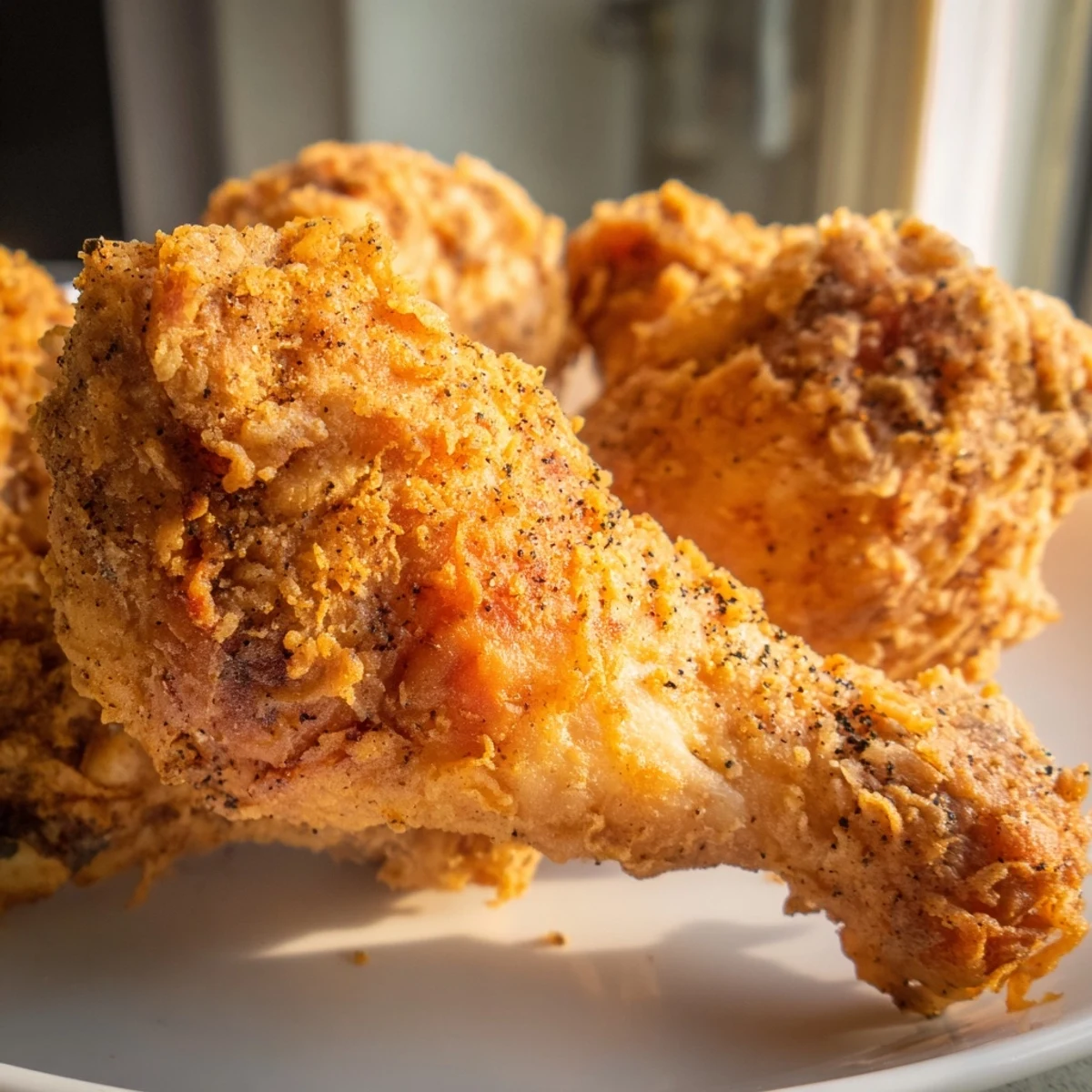
Save Achieve restaurant-quality fried chicken at home with this time-tested Southern method. The secret lies in the buttermilk marinade, which tenderizes the meat while creating the perfect surface for that signature crispy coating. A blend of paprika, garlic, onion powder, and cayenne delivers authentic Southern flavor without being overly spicy. Frying at the right temperature ensures golden-brown exteriors while keeping the inside juicy and fully cooked.
The sizzle of chicken hitting hot oil still takes me back to my grandmother's porch in Georgia, where she taught me that patience is the secret ingredient in Southern cooking. We would gather around her cast iron skillet, watching as each piece turned that perfect golden brown, our stomachs rumbling in anticipation. She never measured anything precisely, yet somehow every batch came out perfectly crispy on the outside and incredibly juicy within. Those afternoons taught me that great fried chicken is about as much love as it is about technique.
I made this for my new neighbors last summer during our first proper dinner party, and the way they went completely silent when they took their first bite told me everything. One of them actually admitted she'd been skeptical about homemade fried chicken measuring up to her favorite restaurant, but she changed her mind immediately. We spent the rest of the evening picking at the leftovers standing around the kitchen island, and honestly, that casual messiness made the meal even better.
Ingredients
- 1 whole chicken (about 3.5 lbs/1.6 kg), cut into 8 pieces: Using a mix of dark and white meat ensures everyone gets their favorite cut, and cutting it yourself saves money while giving you control over portion sizes
- 2 cups (480 ml) buttermilk: The acidity in buttermilk tenderizes the meat while adding a subtle tang that becomes the backbone of Southern flavor
- 1 teaspoon hot sauce: Even if you do not like spicy food, this little kick wakes up all the other flavors without making the chicken itself hot
- 2 cups (250 g) all-purpose flour: Do not be tempted to use self-rising flour, the baking powder will make your coating too puffy instead of crispy
- 2 teaspoons paprika: This adds that beautiful reddish golden color and a subtle sweetness that balances the heat
- Vegetable oil or peanut oil: Peanut oil handles high heat beautifully and adds a nice nutty flavor, but vegetable oil works perfectly fine if anyone has allergies
Instructions
- Marinate the chicken:
- In a large bowl, whisk together the buttermilk, hot sauce, salt, and pepper until well combined, then add the chicken pieces and turn them to coat thoroughly. Cover and refrigerate for at least 4 hours or overnight if you can plan ahead, because this waiting period is what makes the meat so incredibly tender.
- Mix the seasoned flour:
- In a large shallow dish, combine the flour with paprika, garlic powder, onion powder, cayenne, salt, and black pepper, using a fork to blend everything evenly. Make sure there are no clumps of spices hiding in the flour, because you want every bite to have that perfect balance of seasoning.
- Prepare for coating:
- Pull the chicken from the marinade and let the excess buttermilk drip off, but whatever you do, do not pat the pieces dry because that buttermilk layer helps the flour stick and creates those amazing crispy ridges.
- Coat the chicken:
- Dredge each piece thoroughly in the seasoned flour, pressing the flour into the meat and getting it into all the nooks and crannies, then set aside on a wire rack while you heat the oil. Letting the coating sit for about 10 minutes before frying helps it adhere better and creates a crunchier crust.
- Heat the oil:
- In a large heavy skillet or deep fryer, heat about 1.5 quarts of oil until it reaches 350°F (175°C), which you should test with a kitchen thermometer because guessing will cost you a perfect batch.
- Fry to perfection:
- Carefully add chicken pieces to the hot oil working in batches so you do not crowd the pan, then fry for 8-12 minutes per side until deep golden brown and crispy, with an internal temperature of 165°F (74°C). Resist the urge to move the chicken around too much while it cooks, because it needs that steady contact with the oil to develop that signature crunch.
- Rest and serve:
- Drain the chicken on a clean wire rack or paper towels and let it rest for at least 5 minutes before serving, which helps the crust stay crispy and the juices redistribute throughout the meat.
 Save
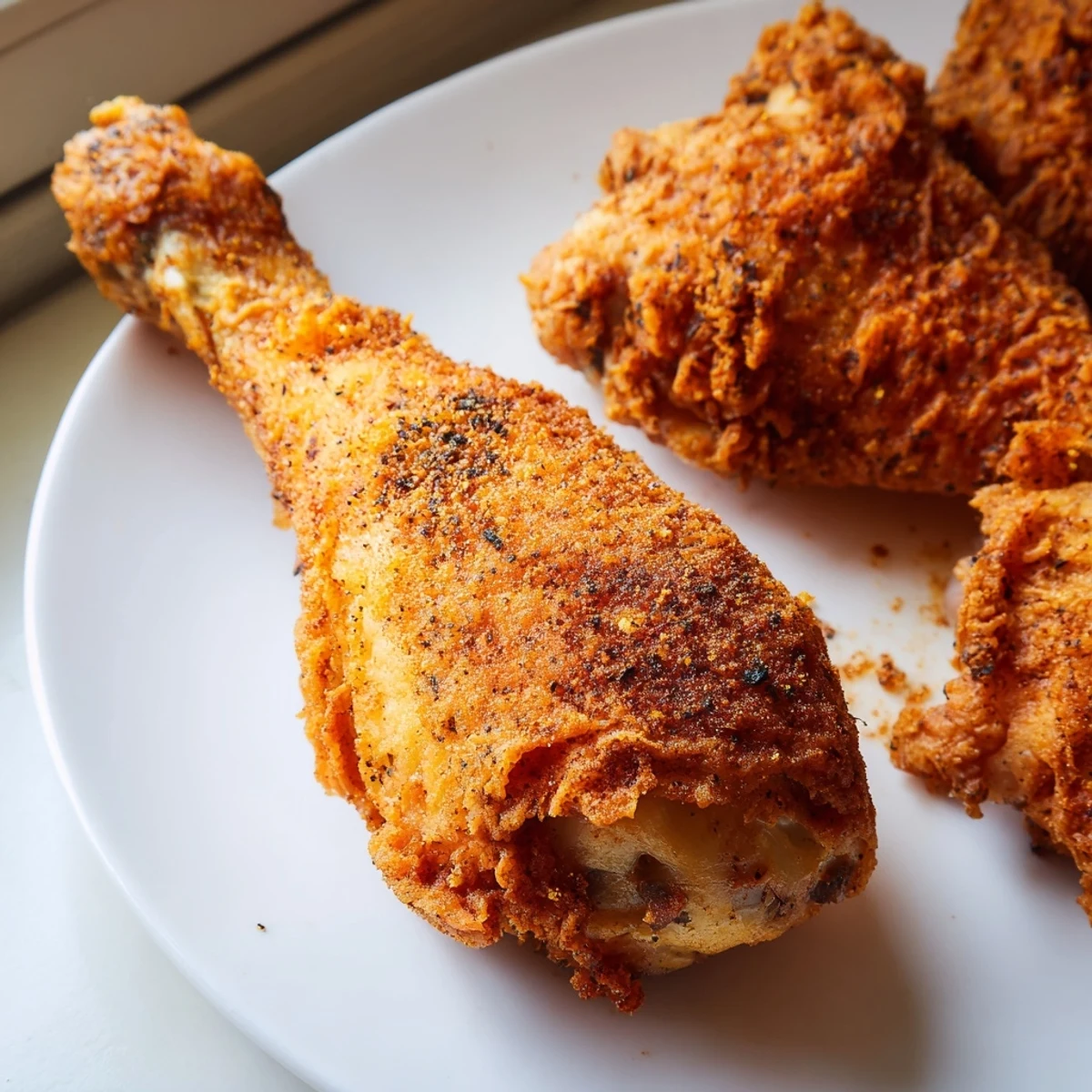
Save This recipe became my go-to for bringing people together after I made it for my dad's birthday, and he told me it tasted exactly like what his mother used to make. There is something incredibly special about food that connects generations and creates new memories around the dinner table.
The Secret to Extra Crispy Coating
Double coating your chicken is a game changer, and it is surprisingly simple to do. After the first flour coating, dip the chicken back into the buttermilk for just a second, then dredge it in the flour again. This second layer creates that shatteringly crisp exterior that makes restaurant fried chicken so addictive, and once you try it this way you will probably never go back to single coating.
Choosing the Right Equipment
A cast iron skillet is ideal for frying chicken because it holds heat beautifully and creates an even cooking surface, but any heavy bottomed pan will work. The key is using something large enough that you can fry without overcrowding, since packing the pan too tight drops the oil temperature and leads to soggy, greasy chicken. A wire cooling rack set over a baking sheet is also essential for draining, because paper towels alone can cause the bottom of your chicken to get soggy from trapped steam.
Perfect Side Dish Pairings
Classic Southern sides really shine alongside this fried chicken, and they help balance out the richness of the main dish. Creamy mashed potatoes with gravy, tangy coleslaw, and fluffy buttermilk biscuits create that perfect Sunday dinner spread that everyone will talk about for weeks.
- Macaroni and cheese made with plenty of sharp cheddar adds a comforting element that pairs perfectly with crispy chicken
- Collard greens cooked with a little bacon bring a nice bitterness and texture contrast to cut through the richness
- Cornbread either sweet or savory, depending on your family tradition makes an excellent vehicle for sopping up any extra sauce or gravy
 Save
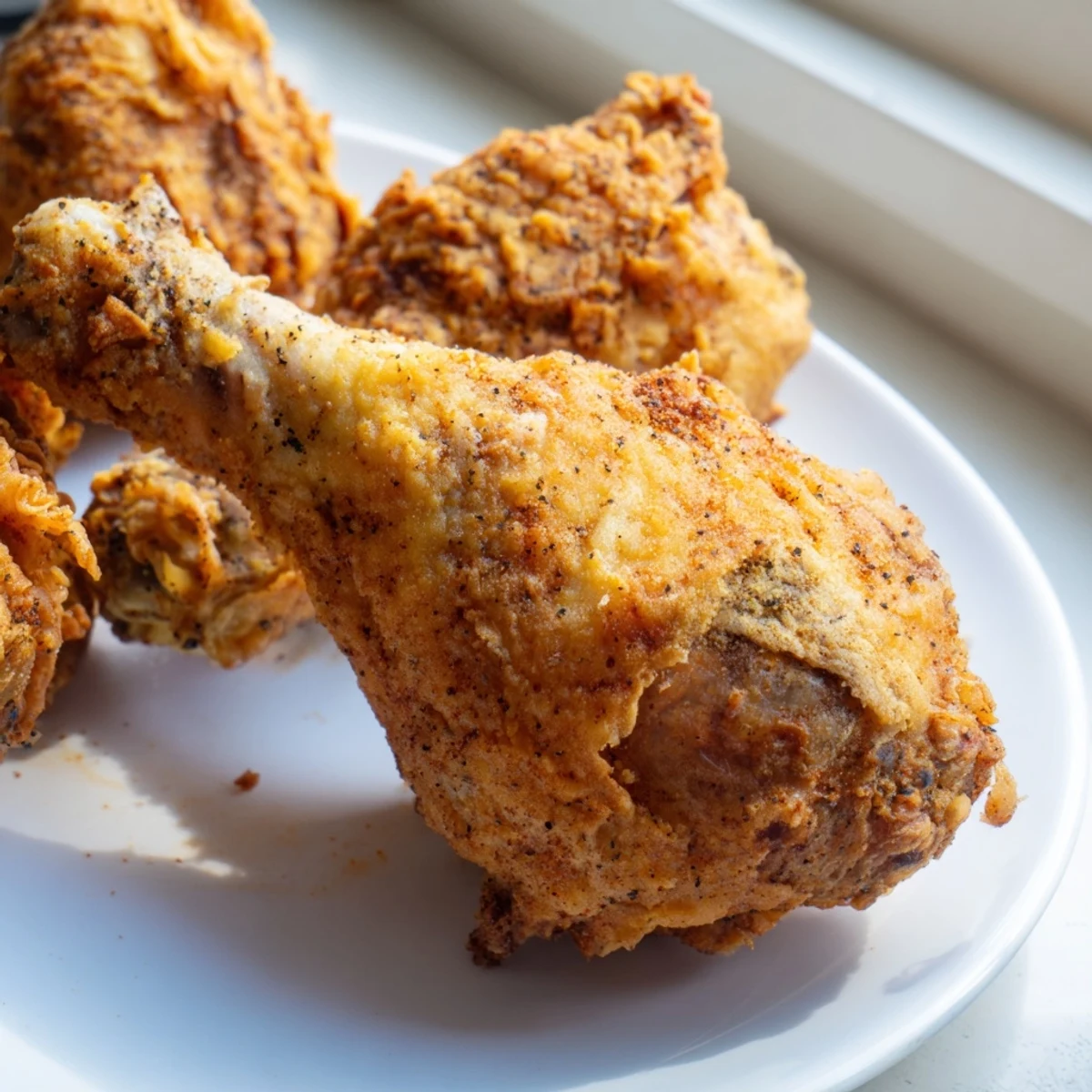
Save There is something deeply satisfying about making fried chicken at home, and once you serve that first crispy piece to people you love, you will understand why this recipe deserves a permanent spot in your regular rotation.
Recipe FAQs
- → How long should I marinate the chicken?
-
Marinate for at least 4 hours, though overnight is ideal. The buttermilk needs time to penetrate and tenderize the meat while creating the best texture for coating adherence.
- → What oil works best for frying?
-
Vegetable or peanut oil are excellent choices due to their high smoke points and neutral flavors. Peanut oil adds a subtle nutty note while maintaining stability at frying temperatures.
- → How do I know when the chicken is done?
-
Use a meat thermometer to check the internal temperature reaches 165°F (74°C). The exterior should be deep golden brown, and juices should run clear when pierced.
- → Can I make this less spicy?
-
Reduce or omit the cayenne pepper and hot sauce. The other spices provide plenty of flavor without heat, making this easily customizable for milder preferences.
- → Why let the chicken rest before serving?
-
Resting for 5 minutes allows the juices to redistribute throughout the meat, ensuring each bite remains moist. It also helps the coating set properly for maximum crunch.
- → What sides pair well with this dish?
-
Classic Southern accompaniments include creamy coleslaw, buttery mashed potatoes with gravy, flaky biscuits, macaroni and cheese, or collard greens for a complete meal.